Article: Why Does Skin Feel Tight? Causes and Gentle Care

Why Does Skin Feel Tight? Causes and Gentle Care
That stretched, papery feeling after cleansing is not always a sign your skin is deeply clean. Often, it is your skin asking for more support. If you have wondered, why does skin feel tight, the answer may be as simple as a cleanser that is too stripping, a change in the weather, or a routine that needs a little more moisture and care.
Tight skin can happen to anyone, including people with oily or blemish-prone skin. It is not always visible, either. Your complexion may look perfectly normal while feeling uncomfortable, rough, itchy or less bouncy than usual. The key is to notice when it happens and what your skin has been exposed to beforehand.
Why does skin feel tight after cleansing?
Your skin’s surface is protected by a delicate barrier made up of natural oils, water and skin cells. This barrier helps hold moisture in and keeps everyday irritants out. When it is disrupted, water evaporates more easily from the skin and that uncomfortable tight feeling can follow.
Cleansing is one of the most common triggers. Foaming washes, strong surfactants, heavily fragranced products and very hot water can remove more oil than your skin needs to lose. You may get that temporary squeaky-clean sensation, but squeaky does not mean balanced. Healthy skin generally feels comfortable after washing, not tight or stripped.
Over-cleansing can have a similar effect. Washing your face repeatedly throughout the day, especially if you are trying to manage oiliness or breakouts, may leave your skin feeling dry while encouraging it to produce more oil later. This can be confusing when your face looks shiny but still feels tight underneath.
A gentler approach is often more effective. Cleanse once in the evening to remove sunscreen, make-up and the day, then use a light rinse or a gentle cleanse in the morning if your skin needs it. Use lukewarm water rather than hot, and pat your face dry instead of rubbing it with a towel.
Tight skin is not always the same as dry skin
Dry skin lacks oil. It can feel rough, flaky, itchy or uneven, and it may be more noticeable on the cheeks, around the nose and across the forehead. Naturally dry skin types often need richer, more nourishing formulas on a regular basis.
Dehydrated skin, on the other hand, lacks water. It can affect every skin type, including oily and combination skin. Dehydration can make fine lines look more noticeable, leave make-up sitting unevenly and create a tight sensation that comes and goes. Air conditioning, indoor heating, travel, alcohol, salty meals and not drinking enough fluids can all contribute.
The two can happen together. Skin that is both dry and dehydrated usually benefits from a routine that adds water, then helps keep it there with comforting oils or moisturising ingredients. A light hydrating layer may suit the daytime, while a richer balm, facial oil or cream can help reduce overnight moisture loss.
Weather, water and everyday life can change your skin
New Zealand weather can be hard on the skin. Cold winds, bright sun, low winter humidity and dry indoor heat can all leave your face feeling less comfortable. Summer is not automatically easier either. Long days outdoors, salt water, chlorine and sun exposure can deplete the skin’s moisture levels.
Hard water may also be part of the picture for some people. Mineral-rich water can leave residue on the skin and make cleansing feel less comfortable. If tightness seems worse after showering or washing your face at home but improves elsewhere, consider simplifying your post-cleanse routine and applying moisturiser promptly.
Lifestyle matters too. Stress, poor sleep and illness can show up on the skin. So can hormonal changes, certain medications and skin treatments. Retinoids, exfoliating acids and acne treatments can be helpful when used well, but they can also cause dryness and sensitivity if introduced too quickly or layered too often.
Common signs your skin barrier needs a break
Tightness on its own is worth listening to, but it can arrive with other clues. Your skin may sting when you apply products that normally feel fine. It may look redder than usual, develop dry patches, feel hot after washing or become more reactive to wind and sun.
Sometimes people respond by adding more active products to fix the texture. In many cases, that makes the problem worse. If your skin is uncomfortable, simplify for a week or two. Put exfoliants, scrubs and strong treatment products on pause, and focus on gentle cleansing, hydration and barrier-supporting moisture.
This does not mean every active ingredient is bad. It means timing and frequency matter. Once your skin feels calm again, reintroduce products slowly, one at a time, so you can see what your skin genuinely tolerates.
A simple routine for skin that feels tight
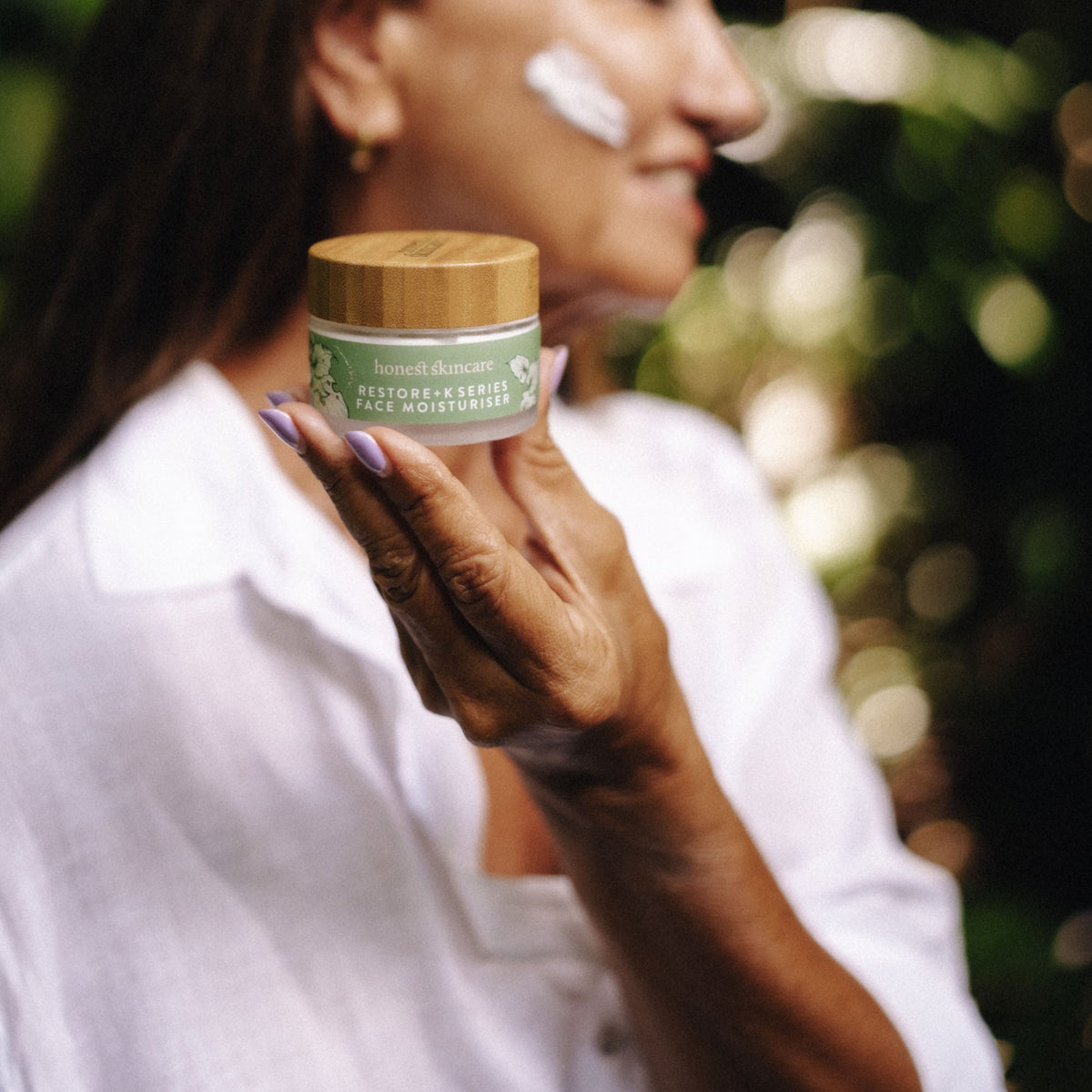
When your skin feels stretched or uncomfortable, a complicated routine is rarely necessary. Start with a mild cleanser that leaves your face feeling clean but not bare. Follow while your skin is still slightly damp with a hydrating product, then seal in that comfort with a moisturiser or a few drops of a simple, good-quality facial oil.
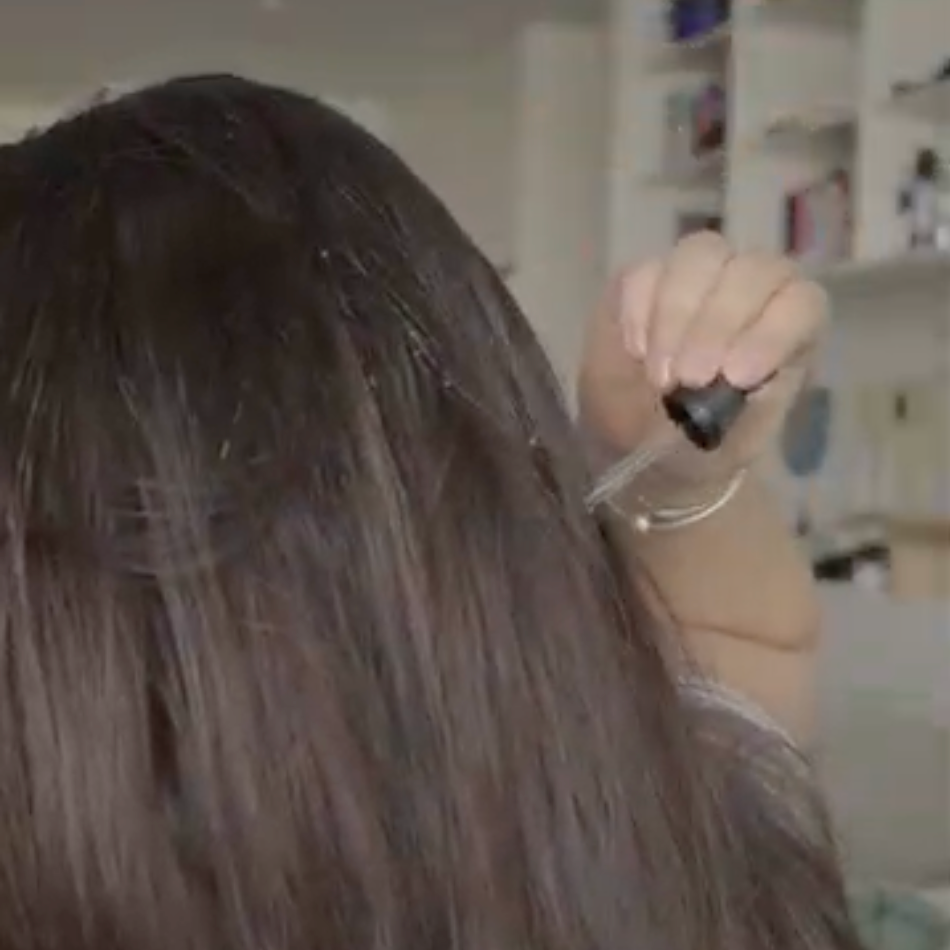
Plant oils can feel especially lovely in a quiet evening ritual, but the right amount depends on your skin. A dry complexion may enjoy a more generous layer, while oily or combination skin may prefer just one or two drops pressed onto the driest areas. Patch test new products first, particularly if your skin is sensitive or prone to eczema.
If you use exfoliants, keep them occasional rather than automatic. There is a trade-off: exfoliation can smooth dull surface cells, but too much can undermine the very glow you are trying to create. Skip it when your skin feels tender, flaky or tight.
During the day, sunscreen is part of moisture care too. Sun exposure can worsen dryness, irritation and uneven texture over time. Choose one that feels comfortable enough to wear consistently, and apply moisturiser underneath if your skin needs the extra cushion.
Small changes that make a real difference
A few habits can help your skincare work harder without adding more products. Keep showers warm rather than steaming hot, and apply body moisturiser soon after towel drying. If the air in your bedroom is dry, a humidifier may make a noticeable difference overnight.
Drink regularly through the day, especially after exercise, coffee or time in heated and air-conditioned spaces. Hydration is not a replacement for moisturiser, but your skin tends to feel better when your overall fluid intake is steady. Nourishing meals with healthy fats can also support a more comfortable, resilient-looking complexion.
For a simple self-care moment, massage moisturiser or a botanical oil over your face, neck and décolletage with slow upward strokes. The goal is not to force a result. It is a few quiet minutes to help product settle in and give your skin the consistent care it has been asking for.
When to get extra support
If tightness is persistent, painful, cracked, very itchy or accompanied by a rash, it is worth speaking with a pharmacist, GP or dermatologist. This is particularly important if you have eczema, psoriasis, rosacea or recurring reactions to skincare. A professional can help rule out a skin condition and guide you towards suitable treatment.
For everyday tightness, think less about chasing the strongest product and more about rebuilding comfort. Skin often responds beautifully to fewer irritants, gentle hydration and a ritual you can actually keep up with. At Honest Skincare, we believe good skin care should feel reassuring from the first cleanse to the last nourishing layer.