7 Best Oils for Dry Skin and How to Use Them
Dry skin often feels tight straight after cleansing, catches on knitwear, or makes make-up sit unevenly by lunchtime. The best oils for dry skin can make a real difference because they soften rough texture and help hold moisture in the skin, particularly when applied while skin is still slightly damp.
Oil is not a replacement for water-based hydration. Think of it as the comforting final layer in your routine: a way to reduce moisture loss, support a healthy-looking skin barrier and give dry areas a more supple feel. The right choice comes down to your skin’s sensitivity, how rich a finish you enjoy and whether you are caring for your face, body or both.
What dry skin needs from an oil
Dry skin produces less of its own protective oil, which can leave it more vulnerable to moisture escaping into dry air, wind, indoor heating and hot showers. A good facial or body oil provides emollients - ingredients that smooth and soften the outer surface of the skin - while creating a light protective seal.
Some oils feel silky and sink in quickly; others are thicker and better suited to overnight use, elbows, shins, heels and hands. There is no single perfect oil for every person. If your skin is also acne-prone, congested or reactive, simpler formulas and a patch test are especially worthwhile.
For best results, press oil over damp skin after a hydrating serum, moisturiser or a few drops of water. Applying it to completely dry skin can still feel lovely, but it has less moisture to help keep in.
The best oils for dry skin
1. Jojoba oil for an easy everyday finish
Jojoba oil is technically a liquid wax ester, and its texture is one reason it is such a popular choice for dry skin. It is light, smooth and generally less greasy than richer plant oils, making it a comfortable option under moisturiser or make-up.
It suits people who want softness without a heavy film, including combination skin with dry patches around the cheeks or nose. Start with two or three drops, warm them between your palms and press rather than rub. If your skin feels thirsty again soon after, layer it over a cream rather than using more oil alone.
2. Rosehip oil for dry, dull-looking skin
Rosehip oil has a lighter, dry-touch feel and is often chosen when dryness comes with dullness or a lack of glow. Naturally rich in fatty acids, it works well as part of an evening ritual and can leave the complexion looking smoother by morning.
A little goes a long way. Use a few drops after your moisturiser or mix one drop into your night cream. Because botanical oils can vary in colour and aroma, choose a fresh, well-stored product and stop using it if the smell becomes noticeably stale or sharp.
3. Argan oil for softness without too much weight
Argan oil is a dependable middle-ground oil: richer than jojoba, but usually not as heavy as castor or olive oil. It is especially useful when your skin feels dry from seasonal changes, air conditioning or frequent cleansing.
It also works beautifully on cuticles, dry hands and the ends of hair. For the face, use it at night or add a single drop to your moisturiser in the morning. Those with very oily or easily congested skin may prefer to reserve it for dry zones rather than applying it all over.
4. Squalane for sensitive or easily unsettled skin
Squalane is a lightweight, stable emollient that is often a lovely fit for dry, sensitive-looking skin. It is usually clear, fragrance-free and less likely to compete with the rest of a simple routine. Its slip makes it easy to spread, so two drops can be enough for the whole face.
This is a useful choice when your skin is dry but you do not enjoy the scent or richness of traditional plant oils. Apply it after moisturiser, concentrating on cheeks, around the mouth and anywhere that feels papery or uncomfortable.
5. Castor oil for very dry spots and richer rituals
Organic castor oil is notably thick, glossy and deeply comforting on stubbornly dry areas. It is best known as a richer treatment rather than an all-over daytime facial oil. Try it on cuticles, heels, elbows, brows or the flaky edges around the nose, using the smallest amount needed.
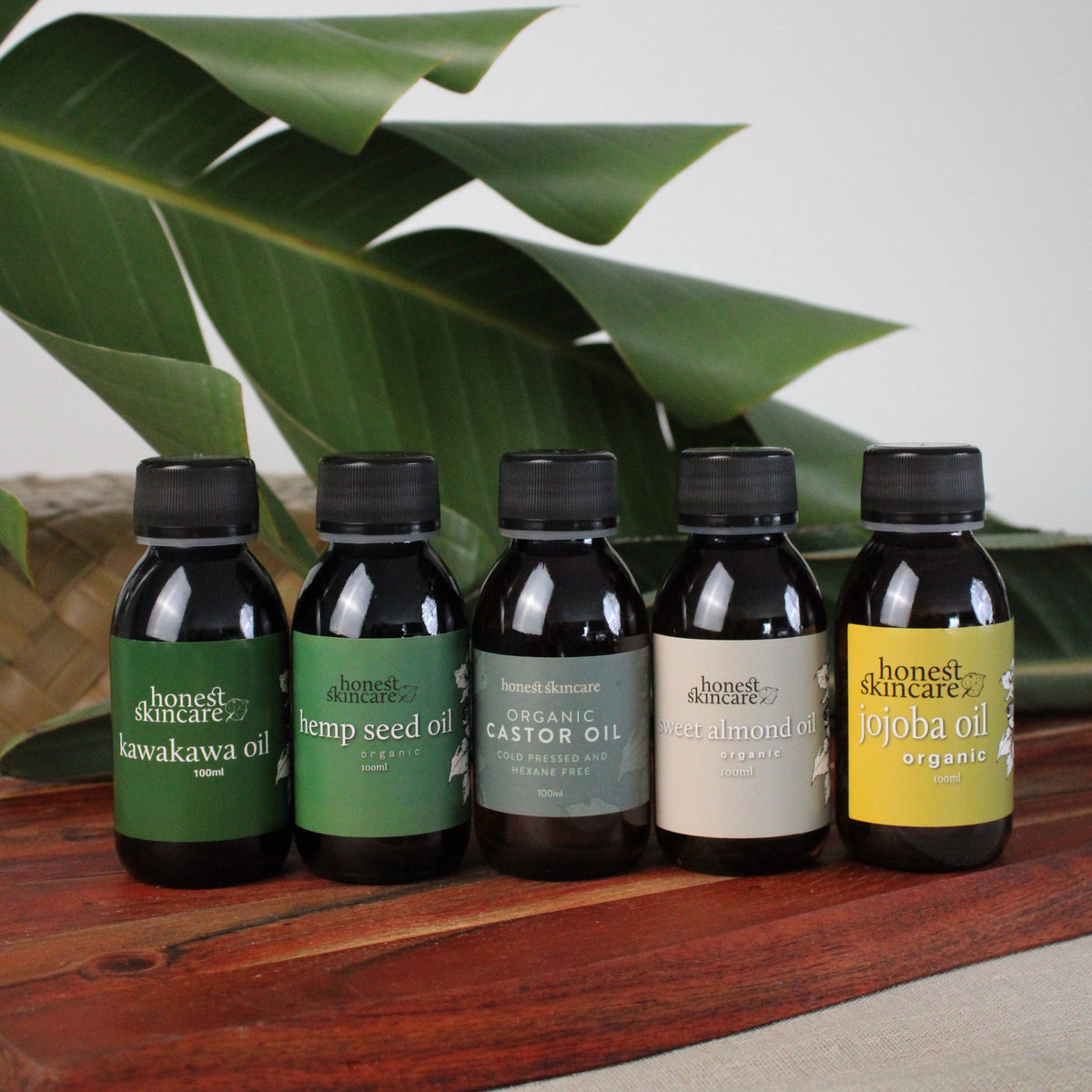
For facial use, many people prefer to blend one drop of castor oil with a lighter oil such as jojoba. This makes the texture easier to spread while keeping that nourishing, protective feel. Honest Skincare’s certified organic castor oil is a simple choice for anyone who prefers a single-ingredient, versatile staple in their home ritual.
Castor oil may not suit everyone, particularly if you are prone to congestion. Patch test first, and do not feel obliged to use it on your face simply because it works well on your body.
6. Sweet almond oil for dry body skin
Sweet almond oil is a classic body oil with a soft, cushioning texture. It is particularly good after a shower, when legs, arms and shoulders need more than a light lotion. Massage it into damp skin, then give it a minute to settle before getting dressed.
It is also a practical massage oil for tired feet and hands. Avoid it if you have an almond or tree-nut allergy, and choose an unscented option if your skin reacts to fragrance.
7. Marula oil for a more nourishing night routine
Marula oil is a richer option for skin that feels persistently dry, especially in colder months. It has a plush texture that can help make a night routine feel more restorative without requiring lots of different products.
Use one or two drops over moisturiser, or press a small amount onto dry patches only. If it feels too rich in humid weather or under sunscreen, keep it for evening use. Skincare should fit your actual skin on the day, not a fixed rule.
How to apply face and body oils properly
The order matters more than the amount. After cleansing, apply any water-based hydrating product first, then moisturiser, then oil. This gives the oil moisture to seal in rather than asking it to do every job on its own.
For the body, pat yourself dry after showering instead of rubbing until completely dry. Smooth oil over damp limbs, paying attention to shins, knees, elbows and hands. If you prefer a lighter finish, mix a few drops into plain body cream in your palm just before applying.
Facial oils should feel comfortable, not slippery for hours. If your pillowcase, fringe or collar is collecting the excess, scale back. Two drops is often plenty, even for dry skin.
A few things that can make dryness worse
The most beautifully chosen oil cannot fully make up for a routine that continually strips the skin. Long hot showers, harsh foaming cleansers, frequent exfoliating acids and heavily fragranced products can all leave the barrier feeling less settled.
Keep cleansing gentle, use lukewarm water and introduce one new product at a time. If dry skin is cracked, bleeding, intensely itchy or not improving, speak with a pharmacist, GP or dermatologist. Conditions such as eczema, dermatitis and psoriasis often need more targeted support, and essential oils should not be applied directly to compromised skin.
A small bottle of oil beside the basin or bed is often more useful than an elaborate routine you will not keep up. Choose a texture you look forward to using, apply it to damp skin and let those few quiet minutes become a practical act of care.