How to Patch Test Skincare Before You Use It
A new face oil can feel beautifully nourishing. A kawakawa balm might be just what dry patches have been asking for. But even a thoughtfully made natural product deserves a small trial first. Learning how to patch test skincare gives your skin time to speak up before a new formula becomes part of your daily ritual.
Natural does not automatically mean non-irritating. Botanical extracts, essential oils, active ingredients and even familiar plant oils can cause sensitivity for some people, particularly when skin is dry, compromised, reactive or already dealing with eczema or acne. A patch test is simple, low-fuss and well worth the few minutes it takes.
Why patch testing is worth doing
Patch testing is a cautious way to check whether a product causes an unwanted reaction on a small area of skin. It is especially useful before trying leave-on products such as facial oils, moisturisers, serums, masks, body butters, deodorants and targeted balms.
Your skin can react to an ingredient even if it is certified organic, gentle by reputation or loved by thousands of other people. Sensitivity is personal. It can also change with the seasons, after illness, during pregnancy, when stress is high, or when your skin barrier is run down from exfoliation, retinoids or windy weather.
A home patch test cannot guarantee that a product will suit every part of your face or body forever. It can, however, reduce the chance of applying a new product widely and waking up with discomfort, itching or a rash. Think of it as a calm first introduction rather than a test your skin can fail.
How to patch test skincare at home
Choose a time when you do not have a big event, beach day or active skincare treatment planned. You want to be able to observe your skin without confusing the result with sun exposure, shaving, sweat or several new products at once.
Choose a discreet test spot
The inner forearm is an easy, practical choice because it is clean, accessible and usually protected from the sun. The crease of the elbow or the area behind the ear can also work well. Avoid broken, sunburnt, freshly shaved or already irritated skin.
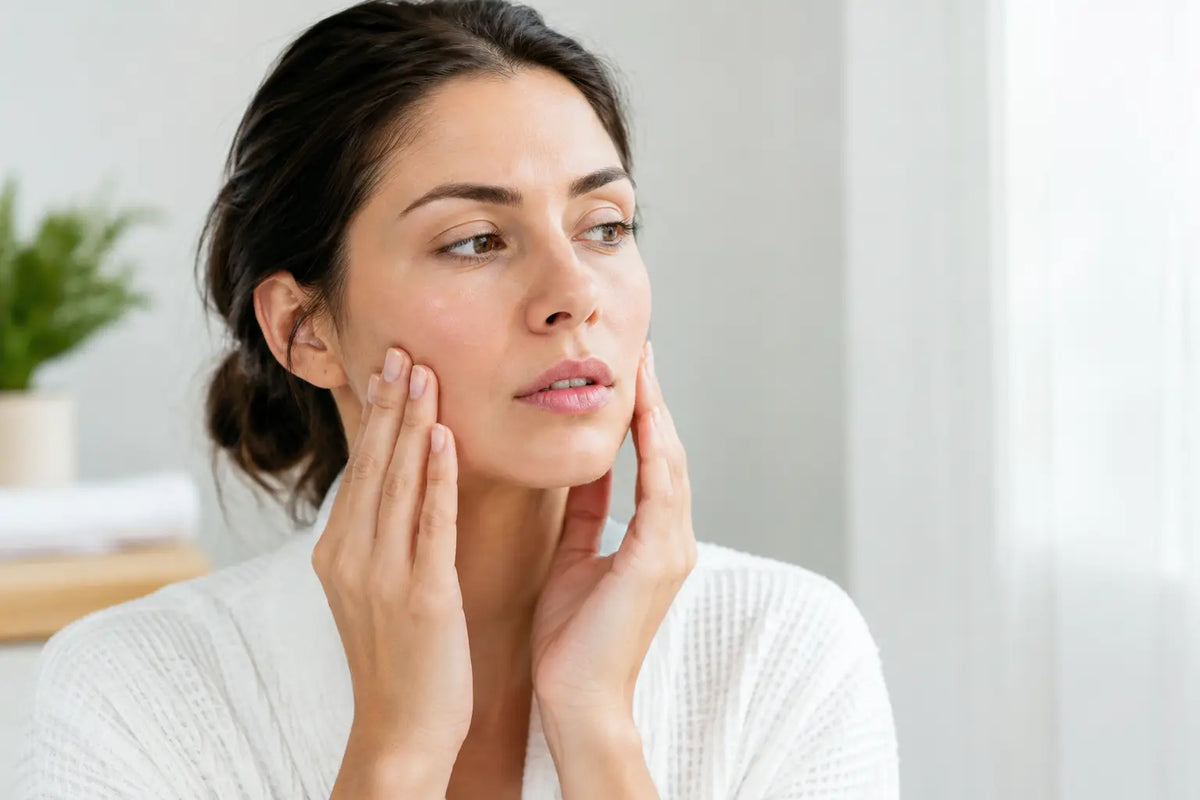
If you are testing a product intended for the face, the side of the neck or along the jawline may feel more relevant. These areas can be more reactive, though, so start with a very small amount. Never apply an unfamiliar product close to your eyes, lips or inside your nose as a first test.
Apply a small amount as directed
Start with clean, dry skin. Apply a pea-sized amount, or less for a concentrated product, to the chosen area. Use the product in the way it is designed to be used.
For example, leave a facial oil, moisturiser or body balm on the skin. With a cleanser, scrub or wash-off mask, apply a small amount, leave it on only for the recommended time, then rinse gently. If a product has clear label instructions about dilution, follow them carefully. Do not patch test undiluted essential oils directly on skin.
There is usually no need to cover the spot with a bandage. Covering can make ingredients penetrate more strongly and may irritate skin by trapping heat and moisture. Keep the area dry and avoid rubbing it with clothing where possible.
Wait, watch and keep the rest of your routine simple
Check the area after 15 to 30 minutes, then again after 24 hours. Some reactions take longer to appear, so waiting 48 hours is a sensible approach for a new leave-on product. During that time, avoid testing another unfamiliar product on the same area.
Look for redness, itching, burning, swelling, hives, persistent stinging, dryness, bumps or a rash. A little shine from an oil or temporary warmth from rubbing the area is not necessarily a reaction. What matters is discomfort or a visible change that lingers or worsens.
If the patch remains comfortable and clear, introduce the product gradually. Try it once on a small part of the intended area, then use it every second day for the first week. This measured approach is particularly helpful for rich oils, exfoliating products and potent botanical blends.
What a reaction can look and feel like
Reactions are not always dramatic. Sometimes they are a low-level itch that keeps returning, a cluster of tiny bumps, new dryness or a burning sensation after application. If you notice any of these signs, rinse the product away with lukewarm water and stop using it.
Do not try to push through discomfort in the hope that your skin will “get used to it”. Active skincare can occasionally cause a short adjustment period, but burning, swelling, hives or an itchy rash are not signs to ignore. Keep the product packaging or ingredient list handy in case you need advice from a pharmacist, doctor or dermatologist.
Seek urgent medical help if you experience widespread hives, significant facial or eye swelling, wheezing, trouble breathing, dizziness or feel unwell. These symptoms need more than a home skincare fix.
When a 48-hour test may not be enough
A standard patch test is a useful starting point, but some sensitivities appear only after repeated use. If you have highly reactive skin, a history of contact allergies, rosacea, eczema or psoriasis, consider a slower approach called a repeat-use test.
Apply a very small amount to the same inner-forearm spot once or twice a day for up to seven days, provided there is no reaction. This is especially worthwhile for leave-on facial products and fragrance-containing formulas. It takes patience, but it is gentler than changing your whole routine at once.
For known allergies, persistent rashes or a previous strong reaction to skincare, speak with a dermatologist about formal allergy patch testing. Professional testing can identify specific triggers that are difficult to spot from an ingredient list alone.
Patch testing natural oils and botanical products
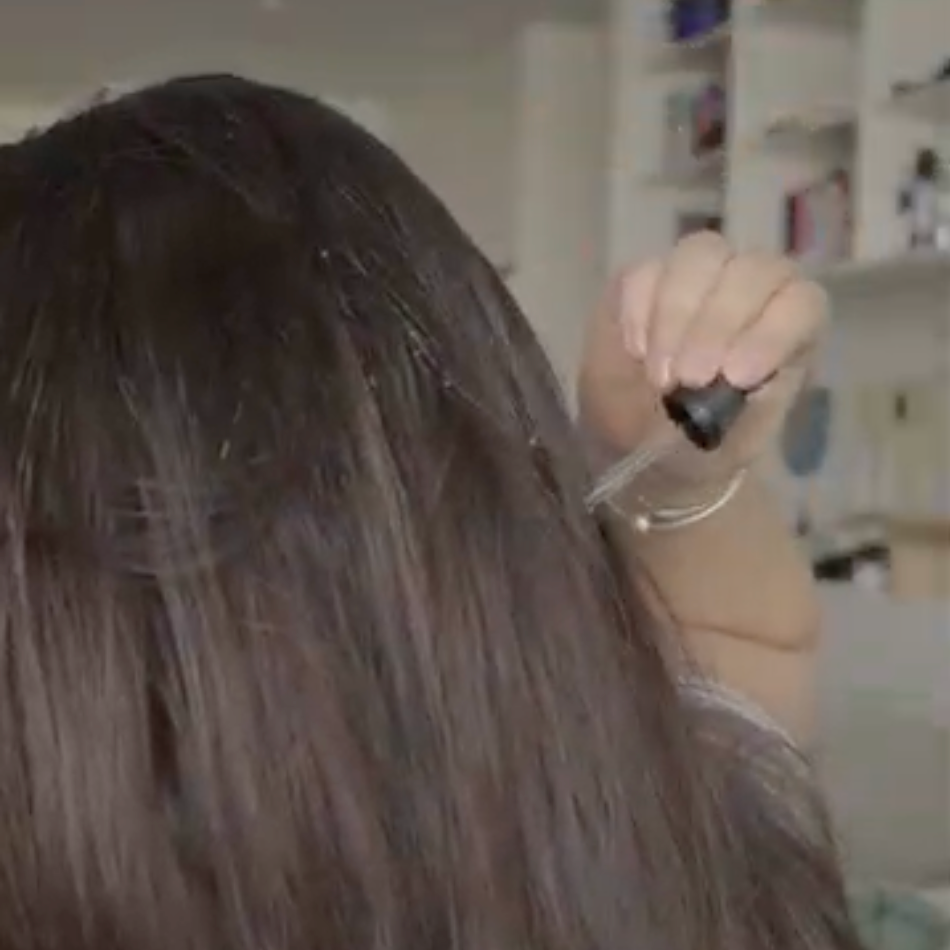
Plant-based skincare can be wonderfully simple, but it still contains naturally occurring compounds. Castor oil, for example, is often chosen for its thick, conditioning feel in body and hair rituals, yet any oil can be unsuitable for an individual. Test it before using it generously on brows, lashes, scalp or dry areas of the body.
Kawakawa-infused balms and oils are often reached for when skin feels dry and in need of comfort. Start slowly if your skin is sensitive, especially if the formula includes other botanical ingredients or aromatic oils. The same goes for magnesium body products: some people experience a temporary tingling sensation, particularly after shaving or on dry skin. A patch test helps you tell the difference between a mild, brief sensation and genuine irritation.
Marine collagen masks, clay masks and exfoliating treatments need their own caution. Test a small amount, follow the stated timing and avoid combining them with other strong products on the same day. More is not always better when skin is looking for calm.
A few mistakes that can muddy the result
The most common mistake is trying several new products at once. If your skin reacts, you will not know which formula caused it. Add one new item at a time and give yourself a few days before introducing the next.
Another is testing on skin that is already inflamed. A reaction on an existing eczema flare or a freshly exfoliated patch may say more about your skin barrier that day than the product itself. Wait until the area is settled, if you can.
Finally, do not treat a successful arm test as permission to overhaul your routine overnight. Facial skin, eyelids and underarms are often more sensitive than the forearm. Start with a light application and notice how your skin feels after each use.
Making new skincare feel easy, not risky
The best skincare routine is not the longest one. It is the one your skin tolerates well and that you genuinely enjoy coming back to. A patch test creates a little breathing room between seeing a beautiful new product and using it everywhere.
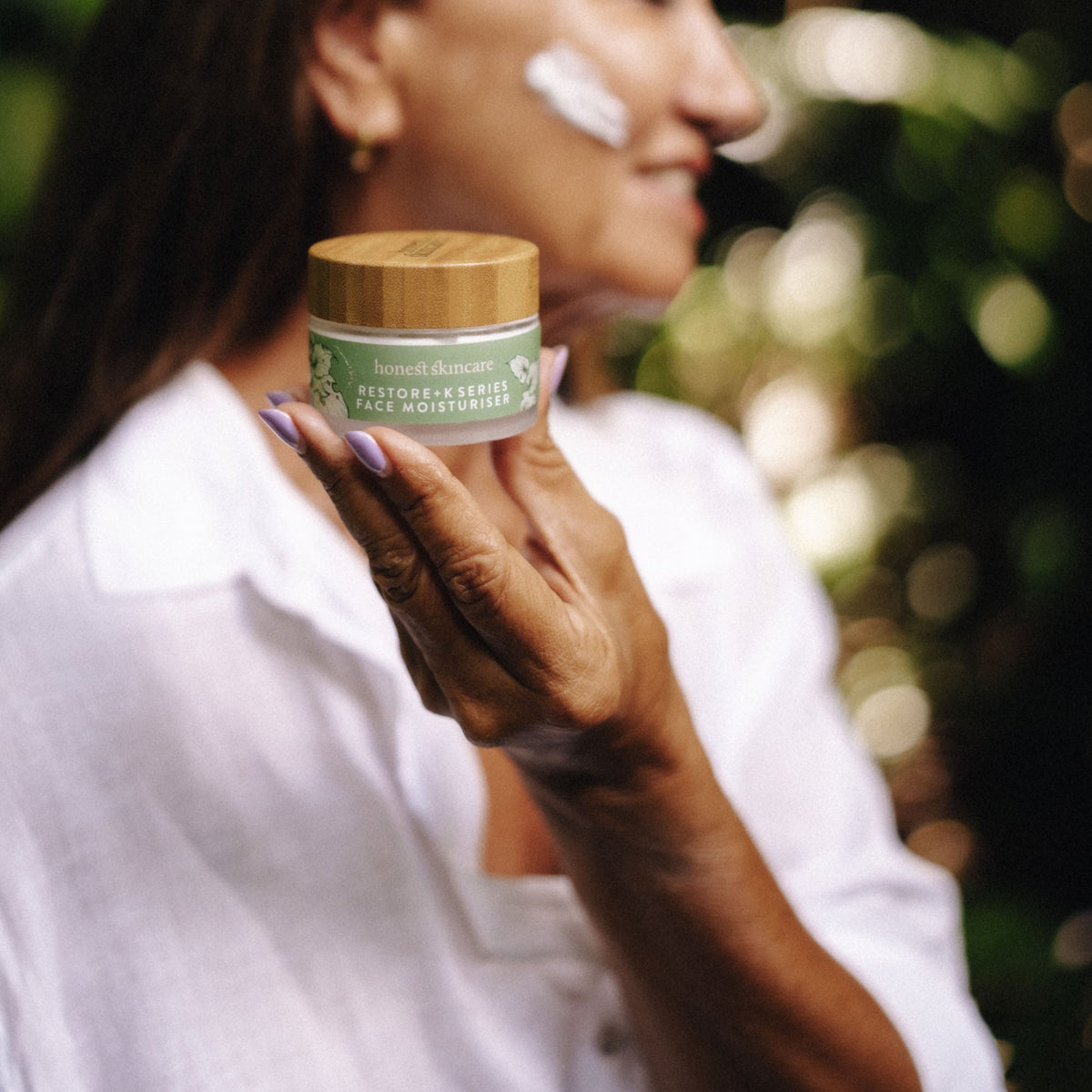
At Honest Skincare, we believe natural self-care should fit into real life: a few quiet minutes after a shower, a comforting balm before bed, a facial ritual that leaves skin feeling cared for rather than overwhelmed. Begin gently, listen closely, and let your skin set the pace.