Skin Barrier Guide for Calm, Comfortable Skin
When your usual moisturiser suddenly stings, your skin feels tight by lunchtime, or every new product seems to cause a reaction, it may be time to return to the basics. This skin barrier guide is for those moments - with practical, gentle ways to support skin that feels dry, reactive or simply out of balance.
Your skin does not need a 10-step routine to feel good. Often, it needs less friction, fewer active ingredients and regular nourishment that suits your own skin.
What your skin barrier actually does
Your skin barrier is the outermost layer of skin. Think of it as a protective wall made from skin cells and natural oils. It helps hold water in while keeping everyday irritants, pollution and unwanted microbes out.
When this layer is working well, skin tends to feel soft, comfortable and resilient. It may still have its natural texture, pores and occasional blemishes, but it is less likely to feel persistently tight, flaky or sensitive.
A weakened barrier can lose moisture faster than it can replenish it. This is called transepidermal water loss. Once skin becomes dry and unsettled, even products that normally suit you can feel tingly or irritating. It can become a frustrating cycle: dry skin encourages more cleansing, exfoliating or product layering, which can leave it even more overwhelmed.
Signs your skin barrier may need support
Barrier disruption does not always look the same. For some people it shows up as rough, flaky patches around the nose or mouth. For others, it is redness, sensitivity, congestion or skin that looks dull despite plenty of moisturiser.
Pay attention if your skin feels tight after washing, stings when you apply basic products, becomes unusually oily and dehydrated at the same time, or reacts to weather changes more than usual. Makeup may sit unevenly, and fine lines can look more noticeable when skin is short on water.
These signs do not automatically mean there is a damaged skin barrier. Acne, eczema, rosacea, allergies and other skin conditions can overlap with them. If you have a persistent rash, swelling, cracked or weeping skin, significant pain, or symptoms that are not settling, speak with a pharmacist, GP or dermatologist. Gentle skincare can support comfort, but it is not a replacement for medical care.
Why barriers become stressed
Sometimes the cause is obvious: a strong peel, a new retinoid, too much scrubbing or a cleanser that leaves skin squeaky-clean. More often, it is the build-up of small things. Hot showers, dry indoor heating, wind, sun exposure, poor sleep and stress can all affect how comfortable your skin feels.
A well-meant routine can also be the issue. Using several acids, exfoliating tools and active serums at once may produce short-term smoothness, but it can be too much for skin that is already dry or reactive. Natural products deserve the same thoughtful approach. Botanical ingredients can feel beautiful on the skin, yet any ingredient, natural or synthetic, can cause sensitivity in some people.
The goal is not to avoid every active forever. It is to give your skin enough calm, hydration and protection to use them wisely.
A skin barrier guide for simplifying your routine
For two to four weeks, treat your routine like a reset rather than a project. Keep it consistent and observe how your skin responds.
Cleanse without stripping
Cleanse once in the evening to remove sunscreen, makeup and the day. In the morning, many dry or sensitive skin types are comfortable with a rinse of lukewarm water or a very gentle cleanse. Avoid hot water, washcloth scrubbing and cleansers that leave skin feeling tight.
If you wear heavier makeup or water-resistant sunscreen, take your time rather than scrubbing harder. A gentle first cleanse followed by a mild water-based cleanser can work well, but only if your skin tolerates it. One simple cleanse is often enough.
Add water, then seal it in
Hydration and moisturising are related but not identical. Hydrating ingredients attract or bind water in the skin, while moisturising ingredients soften the surface and help reduce moisture loss.
Apply a simple hydrating serum or moisturiser to slightly damp skin, then follow with a cream suited to your skin type. Look for familiar barrier-supporting ingredients such as glycerin, ceramides, squalane, hyaluronic acid, panthenol and colloidal oatmeal. You do not need every ingredient in one formula. A product you can use comfortably and consistently is more useful than an impressive label that overwhelms your skin.
For very dry areas, a few drops of a plain facial oil can be pressed over moisturiser at night. Organic castor oil has a rich, cushioning texture and can help seal in moisture for some people, particularly on dry patches, brows or the body. It is not a substitute for water-based hydration, and it may feel too heavy for acne-prone or easily congested facial skin. Start with a small amount and patch test first.
Pause the extra actives
During a barrier reset, put exfoliating acids, physical scrubs, strong vitamin C formulas and retinoids on hold if they sting or increase dryness. Once your skin is calm, reintroduce one active at a time, starting only a few nights each week.
This does not mean exfoliation is bad. It depends on your skin, the formula and how often you use it. Skin that is oily or congestion-prone may still benefit from a carefully chosen active, while skin that is flaky from irritation usually needs recovery before more exfoliation.
Protect every morning
Daily broad-spectrum sunscreen is one of the kindest things you can do for your barrier. UV exposure can contribute to inflammation, dryness and premature visible ageing, including on overcast Auckland days.
Choose a sunscreen you genuinely enjoy wearing, because regular use matters more than chasing the perfect finish. If your skin is reactive, fragrance-free options and a slower introduction can be helpful. Apply enough for your face and neck, then reapply when you are outdoors for extended periods.
Gentle rituals that make a real difference
Barrier care is not only about what goes on your face. The way you treat your skin during the day matters too. Keep showers warm rather than hot, moisturise your body after bathing, and use gloves when cleaning or washing dishes if your hands are dry or irritated.
New Zealand weather can be hard on exposed skin. Wind, cool mornings and strong sunshine can leave lips, hands and cheeks feeling parched. A simple balm in your bag and a richer hand cream by the sink are small habits that add up.
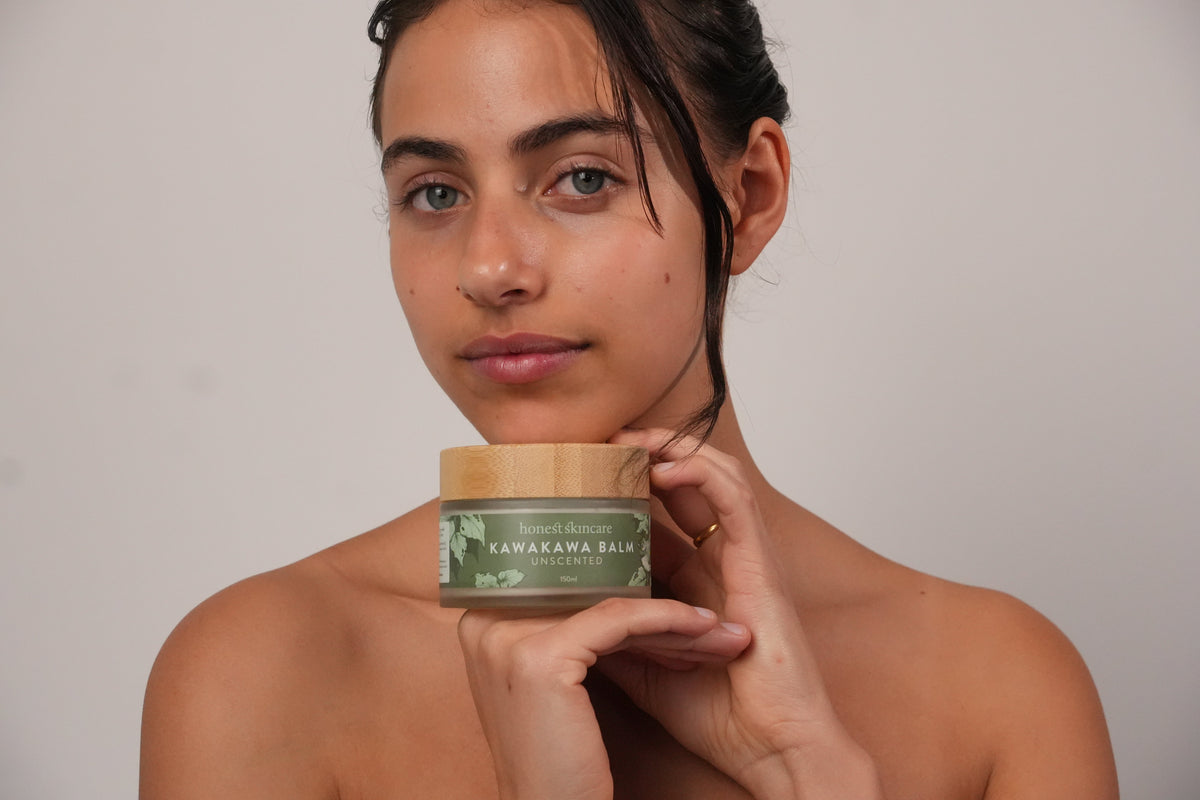
If you enjoy a more sensory ritual, choose it carefully. A gentle kawakawa body balm can feel grounding on dry areas, while magnesium body care may suit an evening wind-down routine. Keep fragranced products away from broken or highly reactive skin, and avoid assuming a pleasant tingle means a product is working. Comfortable skin is the aim.
How to patch test new products
Even the cleanest, most considered formula can be wrong for one person. Patch testing is especially worthwhile if your skin is reactive, you have eczema, or you are adding a concentrated botanical or essential oil product.
Apply a small amount to a discreet area, such as the inner arm or behind the ear, according to the product directions. Leave it on as intended and watch the area for 24 to 48 hours. Redness, itching, burning or bumps are signs to stop using it. A patch test cannot guarantee that your whole face will respond perfectly, but it is a sensible first step.
Introduce only one new product at a time. This is less exciting than opening three new jars at once, but it makes it much easier to recognise what your skin loves and what it does not.
When to expect change
A stressed barrier rarely settles overnight. Some people notice less tightness within a few days of simplifying their routine, while dryness and sensitivity can take several weeks to improve. Consistency matters more than constantly swapping products.
Keep an eye on the basics: does your skin feel comfortable after cleansing, stay hydrated longer and sting less when you moisturise? Those are meaningful signs of progress. Photos taken in the same light once a week can be more useful than checking the mirror several times a day.
At Honest Skincare, we believe effective self-care should feel doable. A few good-quality, ingredient-conscious essentials and a regular ritual can be enough to bring skin back to a more settled place.
Your skin does not need perfection to be healthy-looking. Give it time, keep the routine gentle, and let comfort be the measure that guides your next step.