
How to Hydrate Dehydrated Skin Without Overdoing It
That tight, papery feeling after cleansing, make-up catching around your nose, or skin that somehow feels oily and thirsty at once can all point to dehydration. Learning how to hydrate dehydrated skin is less about adding every serum on the shelf and more about giving your skin water, then helping it hold on to it.
Dehydrated skin can happen in any skin type, including oily and acne-prone skin. A few thoughtful changes to your daily routine can make your complexion feel softer, calmer and more comfortable without piling on heavy products.
Dehydrated skin is not always dry skin
Dry skin is a skin type that naturally produces less oil. It often feels rough, flaky or easily irritated, and usually benefits from richer moisturising ingredients over time. Dehydrated skin is a temporary condition caused by a lack of water in the outer layers of the skin. It can be triggered by weather, indoor heating, air conditioning, travel, stress, strong cleansers, over-exfoliation or simply not drinking enough fluids.
This is why someone with an oily T-zone can still notice fine dehydration lines across the forehead or cheeks. Skin may produce extra oil in response to feeling stripped, but oil is not the same as hydration.
The good news is that a dehydrated complexion often responds well to a gentle, consistent routine. The aim is to bring water into the skin with humectants, support the skin barrier with moisturising ingredients, and reduce the habits that let moisture escape.
How to hydrate dehydrated skin with simple layers
Think of your routine as a few light layers rather than one product expected to do everything. Apply each layer to skin that is slightly damp, not dripping wet. This helps water-based products spread well and gives humectants something to bind to.
Start with a cleanser that does not leave skin squeaky
A squeaky-clean finish can feel satisfying, but it is often a sign that your cleanser has taken away too much of the skin's natural protective oil. If your face feels tight within minutes of washing, reassess your cleanser before buying more treatment products.
Choose a gentle cream, milk, balm or low-foaming gel cleanser, especially through a cold Auckland winter or if you are using active ingredients. Cleanse at night to remove sunscreen, make-up and the day. In the morning, many people with dehydrated skin do well with a rinse of lukewarm water or a very gentle cleanse.
Hot water is another common culprit. Keep showers comfortably warm rather than steamy hot, and pat your face dry instead of rubbing it with a towel.
Add water-loving ingredients while skin is damp
Hydrating serums and essences are useful because they are formulated to draw and hold water close to the skin. Look for ingredients such as glycerin, hyaluronic acid, panthenol, aloe vera, beta-glucan and sodium PCA. You do not need all of them at once. One well-formulated hydrating layer is usually enough.
If you use a hyaluronic acid serum, follow it with moisturiser. Humectants work best when there is water available and a moisturising layer on top to reduce water loss. In very dry indoor air, applying a humectant and leaving it exposed can sometimes leave skin feeling tighter, so that follow-up step matters.
Seal hydration in with moisturiser
Moisturiser does more than make skin feel soft. It supports the barrier that keeps irritants out and water in. For daytime, a light lotion or gel-cream may suit combination or oily skin. At night, a cream with ceramides, squalane, shea butter, fatty acids or plant oils can feel more comforting.
It depends on your skin and the season. A richer cream may be perfect for dry cheeks in winter but too much for a humid summer day. Let your skin guide you: comfortable and supple is the goal, not greasy or coated.
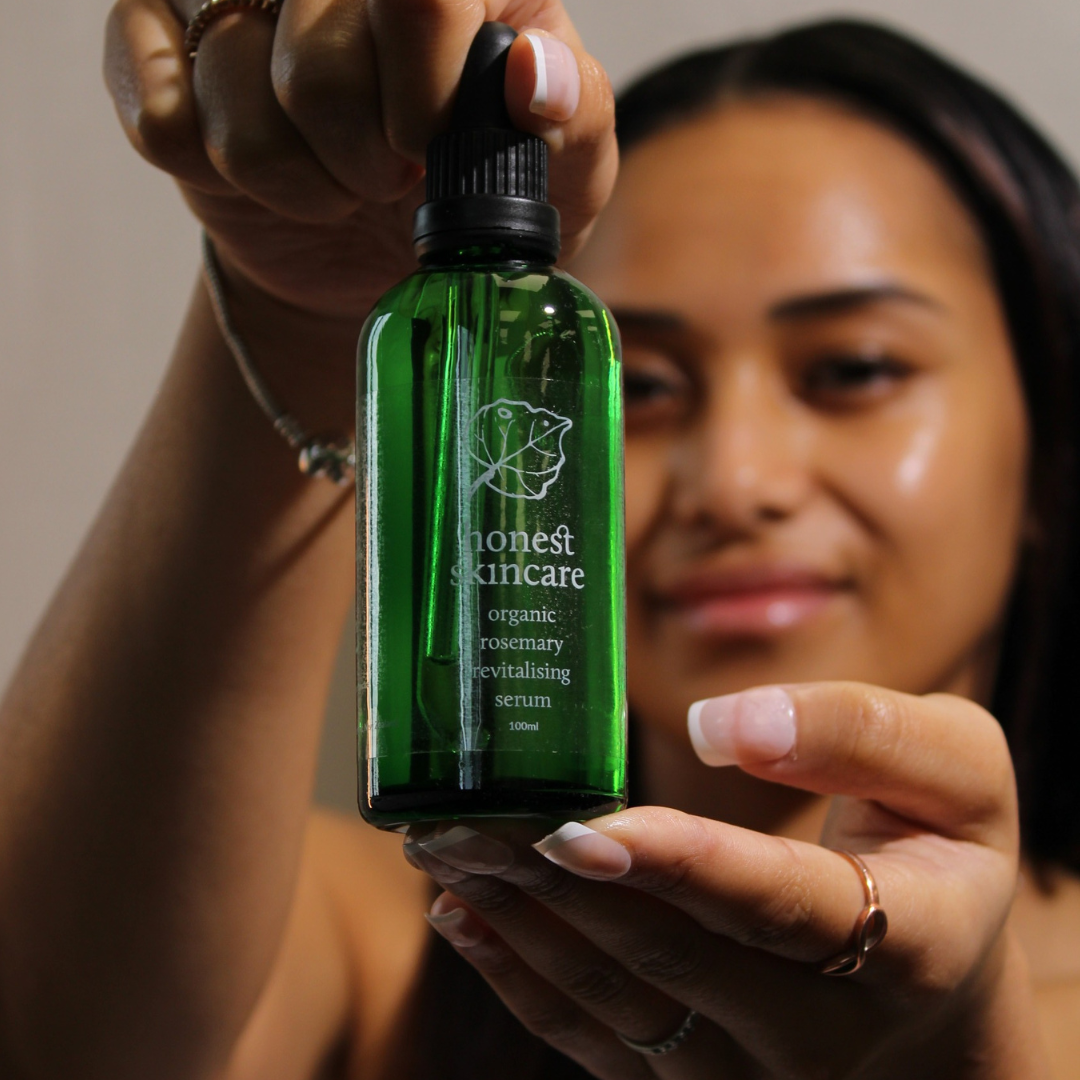
If you enjoy facial oils, press a few drops over moisturiser rather than using oil in place of hydration. Oils can soften and help slow moisture loss, but they do not add water to dehydrated skin. Certified organic castor oil is particularly rich and best used sparingly as the final step on very dry areas, such as the sides of the nose or flaky patches, rather than all over acne-prone skin.
Wear sunscreen every morning
UV exposure can weaken the skin barrier and contribute to dryness, sensitivity and uneven texture. A broad-spectrum sunscreen is an everyday hydration-supporting habit, even when the weather is overcast. Choose one with a finish you enjoy, because the sunscreen you apply generously and regularly is the one that will serve your skin best.
Step back from the things that are drying you out
When skin is dehydrated, it is tempting to scrub away flakes or try several new actives at once. Usually, this makes the cycle worse. A compromised barrier can sting when you apply products, look redder than usual, and become more reactive.
For one to two weeks, simplify. Pause physical scrubs, strong acid exfoliants, high-strength retinoids and astringent toners if they are causing irritation. You do not have to avoid actives forever, but give your skin a chance to settle first. When it feels comfortable again, reintroduce one product at a time and use it less often initially.
Be mindful of fragranced products too. Natural essential oils can smell beautiful, but a sensitised face may prefer fragrance-free, minimal formulas until its barrier is stronger. Gentle care is not boring when it gives your skin the breathing room it needs.
Support your skin beyond the bathroom shelf
Your face reflects more than your skincare routine. Long flights, late nights, salty swims, heated offices and not enough water throughout the day can all show up as dullness and tightness.
Drink regularly across the day rather than trying to make up for it with several glasses at night. Water-rich meals, herbal teas and a balanced diet all contribute to hydration. If you have been sweating heavily, working outdoors or recovering from illness, consider your overall fluid and electrolyte intake as well.
Indoor air can be especially drying during winter. A humidifier near your bed may help if you wake with tight skin, a dry throat or chapped lips. Fresh pillowcases, clean make-up brushes and keeping hair products off the face can also reduce unnecessary irritation.
Sleep is worth protecting too. Skin carries out much of its natural repair work overnight, and a simple evening ritual can make it easier to stay consistent: cleanse gently, apply a hydrating layer, moisturise, then take a moment to slow down. At Honest Skincare, we believe the best rituals are the ones that feel good enough to repeat.
A gentle one-week reset for thirsty skin
For a week, keep your routine deliberately calm. In the morning, rinse or cleanse gently, apply a hydrating serum, moisturiser and sunscreen. At night, cleanse, use your hydrating layer again, then finish with a barrier-supporting moisturiser. Add a small amount of facial oil only where you need extra comfort.
Avoid changing multiple products during this reset. If your skin improves, you will have a clearer idea of what was causing the problem. If it becomes more irritated, itchy, painful, cracked or develops a persistent rash, stop using any likely triggers and speak with a pharmacist, dermatologist or GP. Eczema, rosacea, dermatitis and allergies can look like ordinary dehydration but need more tailored care.
Give it consistency, not intensity
Hydrated skin rarely comes from one dramatic treatment. It comes from gentle cleansing, water-binding ingredients, a moisturiser that suits your skin, daily sun protection and fewer barrier-disrupting habits. Most people notice improved comfort first, followed by smoother texture and a fresher-looking glow over the following days and weeks.
Keep your routine simple enough for busy mornings and tired evenings. A small ritual done consistently is often the kindest thing you can give thirsty skin.