How to Use Kawakawa Balm for Everyday Skin
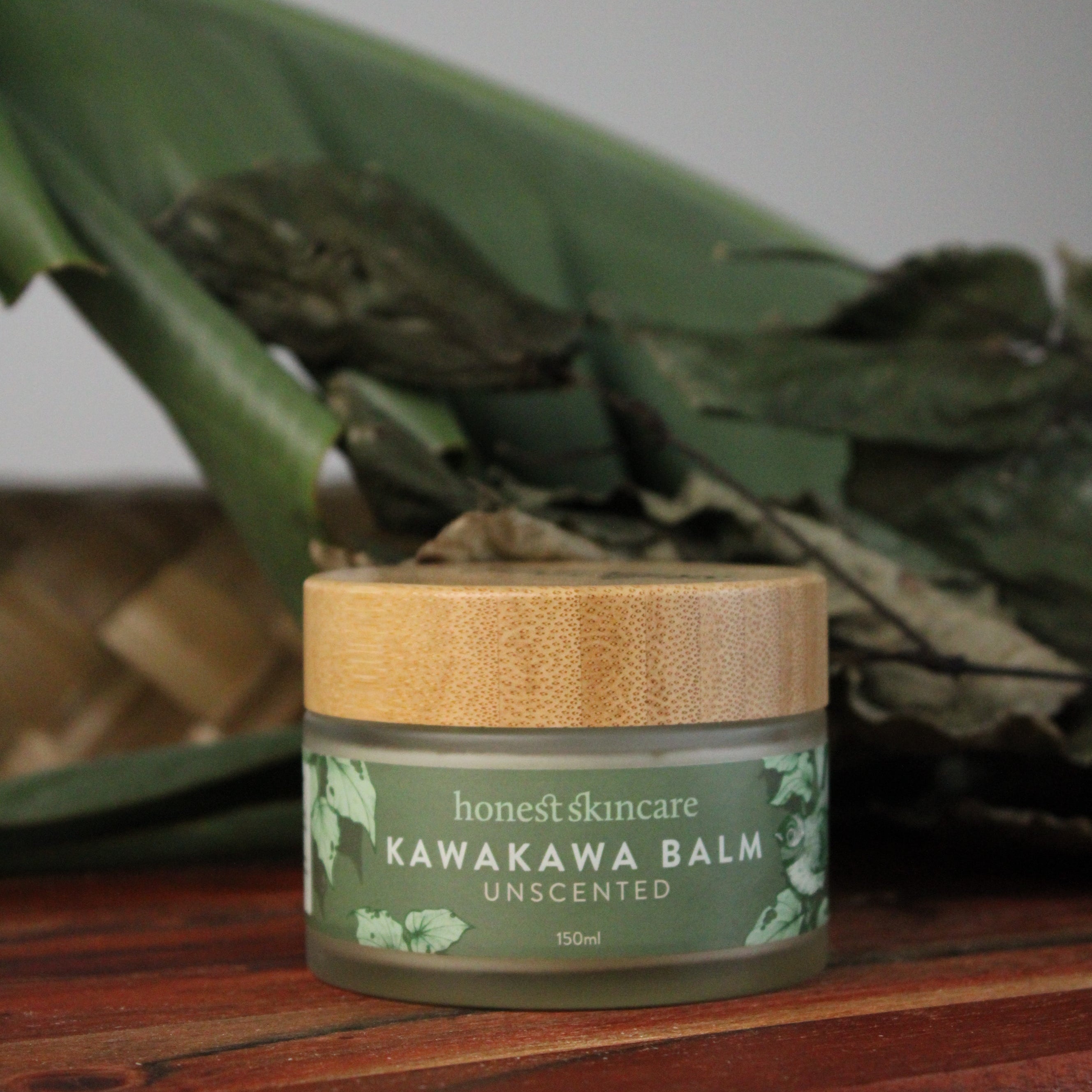
Wind, cold mornings, handwashing and dry indoor air can leave skin feeling tight long before your usual skincare routine gets a chance to help. Learning how to use kawakawa balm gives you a simple, comforting way to care for those small, stubborn dry spots throughout the day. A little goes a long way, making it an easy staple for your handbag, bedside table or bathroom cabinet.
Kawakawa is a much-loved native New Zealand botanical with a long history of traditional use in topical preparations. Blended into a nourishing balm base, it brings together the comfort of plant-based skincare with the practical benefits of a protective barrier. The goal is not a complicated ritual. It is simply to soften dry skin, help it hold onto moisture and give it a moment of care.
What kawakawa balm does for dry skin
A balm is richer and more occlusive than a light lotion. It sits over the skin to help reduce moisture loss, while oils, butters and waxes soften the surface. That makes kawakawa balm especially useful when skin feels rough, flaky, weather-worn or uncomfortable.
The exact feel will depend on its formula. Some balms are firmer in cool weather and soften with body heat; others have a silkier, more spreadable texture. Many kawakawa balms contain botanical oils or butters alongside kawakawa-infused oil, so always check the ingredient list if you have known sensitivities or prefer to avoid particular ingredients.
Think of balm as targeted support rather than an all-over body moisturiser. It is ideal for places that need a little more attention, particularly after washing, showering, gardening, gym sessions or time outdoors.
How to use kawakawa balm step by step
Start with clean, dry hands and clean skin. Scoop out a small amount with a clean fingertip. For lips or a fingertip-sized patch of dry skin, a rice-grain amount is often enough. For hands, heels or elbows, begin with a pea-sized amount and add more only if needed.
Warm the balm between your fingers for a few seconds. This softens the texture and helps it glide across the skin without pulling. Press it onto the area first, then massage gently until there is a light, comfortable layer. You do not need to rub until every trace disappears. A balm should leave skin feeling cushioned, not greasy or sticky.
For the best result, apply it after moisture has been introduced to the skin. After a shower, pat your skin dry rather than rubbing it hard with a towel, then apply balm while it is still slightly damp. On hands, use it after washing and drying. This approach helps seal in that water rather than asking a balm to moisturise completely dry skin on its own.
If you are using it before bed, apply a slightly more generous layer to dry hands, cuticles, elbows or feet. Give it a few minutes to settle before getting into bed. Cotton socks over balm-covered heels can be a lovely overnight treatment, especially during colder months.
Where to apply kawakawa balm
Kawakawa balm is a versatile addition to a pared-back routine. It is often used on:
- dry hands, knuckles and cuticles after frequent handwashing
- rough elbows, knees and heels
- dry lips and the skin around the nose during chilly weather
- small areas of dry, tight-feeling skin on the body
- chafed-feeling skin where clothing or activity has caused friction
On feet, massage balm into clean heels and any rough areas after a shower. If your feet are very dry, consistency matters more than using a huge amount once. A small nightly application for one to two weeks is often more pleasant and practical than an occasional heavy coating.
For lips, use a very small amount and apply with clean hands. If your balm is scented with essential oils, take extra care around this delicate area, as some people find fragrance or aromatic ingredients irritating on lips.
Build it into a simple skin ritual
The best skincare routine is one you will actually keep using. Kawakawa balm works well as the final step in a straightforward routine because it helps keep lighter hydration close to the skin.
After washing your face, you might use your usual gentle moisturiser first, then tap a tiny amount of balm onto dry patches only. This is particularly helpful around the sides of the nose or on areas that feel dry in winter. If you are prone to congestion or breakouts, avoid applying a heavy layer across your entire face unless you already know your skin enjoys richer products.
For body care, follow a shower with a nourishing body oil or lotion if you like, then reserve balm for the driest spots. This gives you softness without using a rich product where you do not need it. It also makes a small pot last longer.
At Honest Skincare, we believe natural self-care should fit real life. Keep your balm where the need arises: beside the sink for hands, in your bag for lips and dry knuckles, or beside the bed for a calming evening routine.
How often should you use it?
Use kawakawa balm whenever your skin feels dry or in need of comfort. For many people, that means once or twice daily, with extra applications after handwashing or exposure to harsh weather. There is no prize for applying more than your skin needs. If the area still feels oily after several minutes, simply use less next time.
Your skin may need different care across the year. During an Auckland winter or after a day at the beach, you may reach for balm more often. In humid weather, you may prefer to use it only on lips, hands, feet and isolated dry patches. Let your skin's feel guide you.
A few sensible precautions
Natural ingredients deserve the same care as any other skincare product. Before first use, patch test a small amount on the inner arm and wait 24 hours. Stop using the product if you notice burning, persistent stinging, swelling, a rash or other signs of irritation.
Avoid applying balm to deep cuts, actively bleeding skin, infected areas or serious burns. If skin is cracked, weeping, very painful or not improving, speak with a pharmacist, GP or qualified health professional. People with eczema, psoriasis or very reactive skin can still enjoy simple, fragrance-free skincare, but their individual triggers vary. It is worth choosing a minimal formula and introducing one new product at a time.
If you are pregnant, breastfeeding or using balm on a young child, read the label closely, particularly where essential oils are included. When in doubt, ask a healthcare professional for advice suited to your situation.
Keep the pot clean by using dry hands or a small clean spatula. Store it away from direct sun and excessive heat so the texture stays at its best. A balm that softens on a warm day is usually still fine, but leaving it in a hot car can affect its consistency.
Choose the balm that suits your skin
A good kawakawa balm should feel reassuringly simple: a thoughtfully made formula, clear ingredients and a texture you enjoy using. If your skin is sensitive, look for a product without added fragrance or a long list of aromatic extracts. If your main concern is very rough areas such as heels and hands, a richer balm with nourishing oils and butters may be the better match.
Most of all, use it regularly and sparingly. That small pause to warm the balm between your fingertips, massage it into tired hands and notice the difference can turn ordinary skincare into a genuinely restorative part of your day.