Article: 8 Best Dry Scalp Remedies That Feel Good
8 Best Dry Scalp Remedies That Feel Good
A scalp that feels tight after washing, flakes onto a dark top, or starts itching the moment the weather turns cooler is more than a small annoyance. The best dry scalp remedies are usually not about piling on products. They are about restoring comfort with a gentler wash routine, thoughtful moisture and a closer look at what may be irritating your skin.
Dry scalp can look similar to dandruff, but the two do not always need the same approach. A genuinely dry scalp tends to produce small, white flakes with a feeling of tightness or sensitivity. Dandruff is often linked to excess oil and an overgrowth of naturally occurring yeast, and may cause larger, oilier flakes. If your scalp is red, sore, crusty or persistently itchy, it is worth speaking with a pharmacist, GP or dermatologist rather than trying to treat it at home indefinitely.
Start by making wash day gentler
Hot water feels wonderful on a cold New Zealand morning, but it can strip the scalp of protective oils. Try washing your hair with lukewarm water instead, then rinse thoroughly. Product residue can leave the scalp feeling irritated, even when the formula itself is gentle.
The shampoo you use matters just as much as how often you use it. If your scalp feels dry, squeaky or itchy straight after washing, a strongly fragranced shampoo, harsh cleanser or frequent shampooing may be part of the problem. Choose a mild shampoo designed for sensitive or dry scalps, and focus it on the roots rather than scrubbing the lengths of your hair.
There is no perfect wash schedule for everyone. Fine hair or an oily scalp may need regular washing, while curly, textured or very dry hair often benefits from less frequent shampooing. Let comfort guide you. The goal is a scalp that feels clean, not stripped.
Use a light oil treatment before shampooing
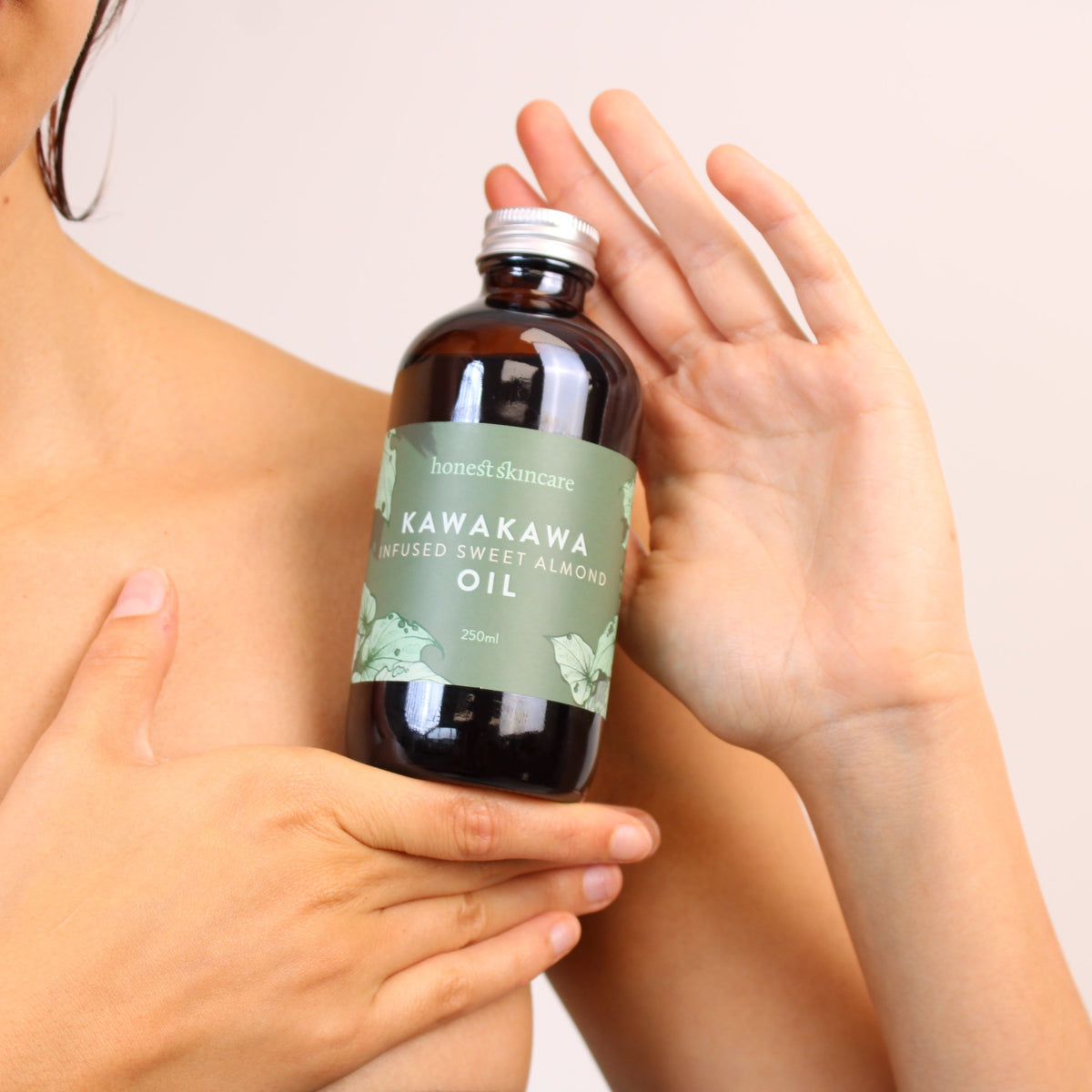
A simple pre-wash oil ritual can be one of the most soothing dry scalp remedies, particularly when central heating, wind, colouring or over-washing have left skin feeling parched. Organic castor oil is naturally thick and rich, so it is best used sparingly and diluted with a lighter carrier oil if your hair is fine or prone to build-up.
Part your dry hair in sections and apply a few drops across the scalp. Massage with the pads of your fingertips for two to five minutes, using small circles and gentle pressure. Avoid scratching with your nails, which can create tiny breaks in already irritated skin. Leave the oil on for 20 to 30 minutes, then shampoo carefully, sometimes twice if needed.
Castor oil may suit people who enjoy a richer treatment, but it is not the answer for every flaky scalp. If flakes are yellow, greasy or accompanied by inflammation, heavier oils can sometimes make the situation feel worse. Patch test first, especially if you have sensitive skin, eczema or a history of reactions to botanical ingredients.
Condition the hair, but keep heavy product off the roots
Dry hair and a dry scalp are related, yet they need slightly different care. Conditioner is brilliant for softening mid-lengths and ends, where hair is older and more weathered. Applying a rich conditioner directly onto the scalp, however, can leave residue behind and make some people feel itchy or flat at the roots.
Apply conditioner from around ear level down, unless the product specifically says it is suitable for scalp use. Rinse well, especially around the hairline, behind the ears and at the nape of the neck. These are easy places for product to linger.
If your lengths are dry too, use a lightweight leave-in conditioner or a small amount of hair oil on damp ends. Looking after the hair fibre means you may need less aggressive brushing, heat styling and washing, all of which can help a stressed scalp settle.
Check the everyday irritants hiding in your routine
Sometimes the fix is less about adding a treatment and more about taking away what is bothering your skin. Dry scalp can be triggered by fragranced styling products, dry shampoo, hair spray, strong essential oils, bleach, frequent colouring, heat tools and even laundry detergent transferred from a pillowcase.
Try a two-week reset. Keep your routine simple: gentle shampoo, conditioner on the lengths and one carefully chosen scalp treatment. Pause new styling products and avoid layering several oils or serums at once. This gives you a clearer idea of what your scalp actually likes.
Pay attention to how you wear your hair as well. Tight ponytails, buns and extensions can pull at the roots, while hats and helmets can trap heat and sweat. Neither is automatically a problem, but a sensitive scalp often appreciates a little more airflow and less tension.
Support your scalp barrier between washes
Skin on the scalp has a protective barrier, just like the skin on your face. When that barrier is disrupted, moisture escapes more easily and common products can sting or itch. Your aim is to reduce friction, avoid over-cleansing and give the skin time to rebalance.
A gentle fingertip massage can help loosen dry flakes without the abrasion of a harsh scrub. Do this before washing, not repeatedly throughout the day. If you use a scalp brush, choose soft, flexible bristles and use minimal pressure. A vigorous scrub may feel satisfying in the moment but can leave dryness and sensitivity worse afterwards.
Hydration supports overall skin health, although drinking extra water alone will not cure a dry scalp. Regular meals containing healthy fats, protein and a variety of fruit and vegetables can support skin from within. If you suspect an iron, zinc or other nutritional deficiency, seek individual advice before starting supplements.
Make your sleep routine work harder
Your pillowcase and overnight habits can quietly influence scalp comfort. Wash pillowcases regularly to remove hair products, oil and sweat. If you go to bed with damp hair, make sure it is not tightly tied up against the scalp, as prolonged moisture and friction can aggravate irritation for some people.
A smooth pillowcase may also reduce tangling and breakage, particularly for long, curly or colour-treated hair. It will not treat the underlying cause of scalp dryness, but fewer tangles can mean less brushing and less pulling at sensitive roots in the morning.
When flakes may be something other than dryness
Not every flake needs more oil. Dandruff, seborrhoeic dermatitis, scalp psoriasis, eczema and contact dermatitis can all cause visible scaling and itch. The clues are often in the pattern: persistent redness, thick plaques, greasy scale, painful cracking, flakes around the eyebrows or sides of the nose, or a rash that began after a new product.
An anti-dandruff shampoo may be more suitable when yeast-related dandruff is the likely issue. These formulas can be drying for some people, so follow the directions, use them only as often as needed and condition the hair lengths afterwards. If symptoms have not improved after several weeks, or you notice bleeding, swelling, hair loss or signs of infection, arrange professional care.
A simple dry scalp ritual to try this week
Keep it uncomplicated. On one wash day, massage a small amount of diluted organic castor oil into the scalp and leave it for 20 minutes. Shampoo gently with lukewarm water, condition the lengths, then let hair air dry where possible. Between washes, resist the urge to scratch or add more product at the first sign of a flake.
The next day, notice how your scalp feels rather than judging it only by appearance. Less tightness, less itch and fewer flakes over time are useful signs that your routine is moving in the right direction. Honest Skincare believes self-care works best when it is simple enough to repeat, and a comfortable scalp is a very good place to start.