Kawakawa Traditional Uses for Everyday Care
A kawakawa balm in the bathroom cabinet can feel like a small piece of Aotearoa: green, aromatic and made for the moments when your skin needs a little more comfort. Kawakawa traditional uses come from mātauranga Māori and rongoā Māori, where this native plant has long held an important place in care practices. Today, it remains a much-loved botanical for simple, nourishing skin rituals.
The point is not to turn a treasured plant into a passing beauty trend. It is to understand what kawakawa has traditionally represented, choose well-made formulations and use it in ways that fit real life - whether that is soothing dry hands after a busy day, taking time over a massage, or keeping a dependable balm nearby.
Kawakawa traditional uses and their place today
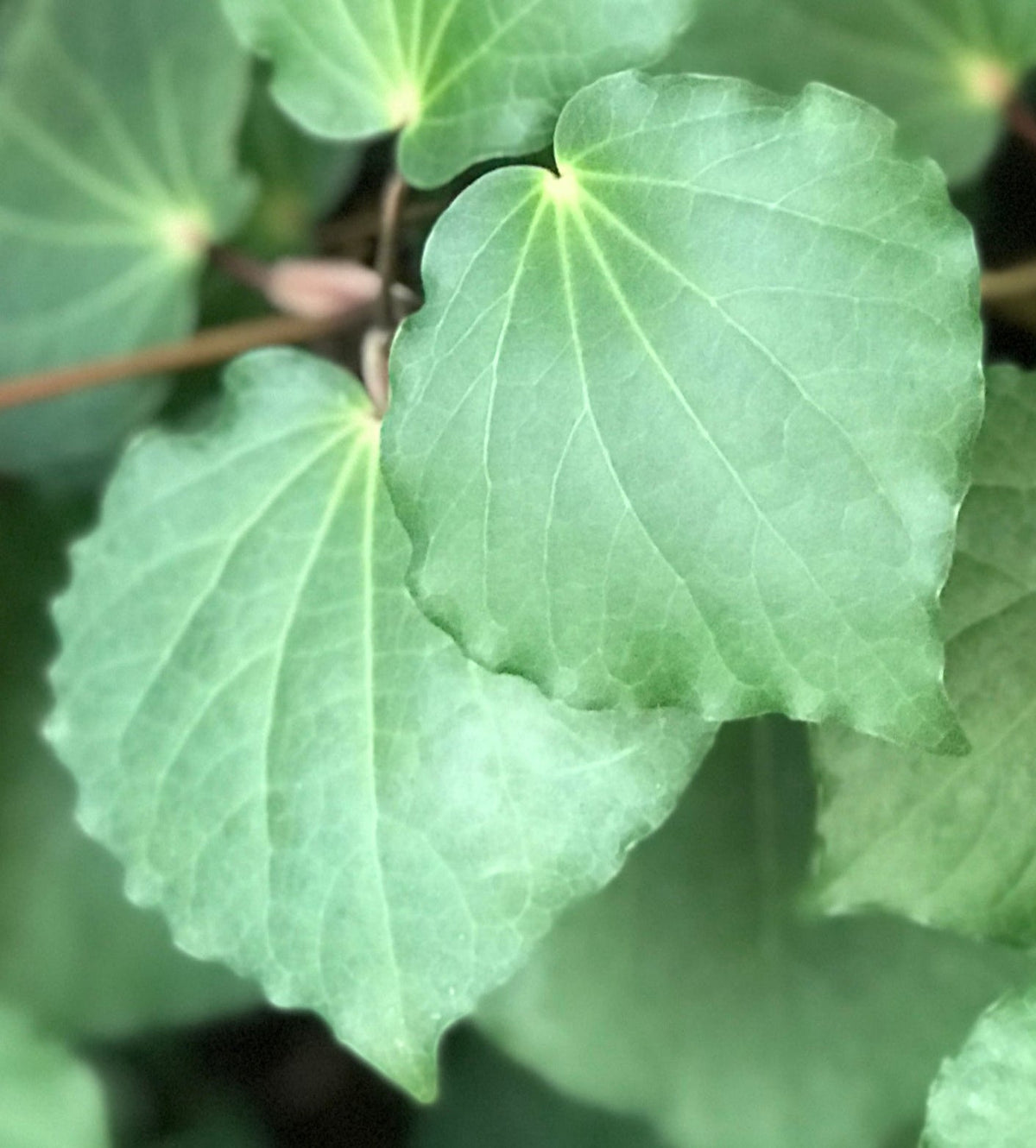
Kawakawa, also known by its botanical name Piper excelsum, is a native New Zealand shrub recognised by its heart-shaped leaves and warm, peppery scent. It has been valued by Māori for generations in traditional rongoā practices. Preparations varied between whānau, hapū and regions, and that context matters. Rongoā Māori is a living knowledge system, not a collection of beauty hacks to copy without care.
Traditionally, the leaves were used in several ways. They could be infused in water, applied externally in plant-based preparations, or chewed. Kawakawa was often brought into everyday care when the body or skin felt uncomfortable, and it also had a role in ritual and connection. The practical use of the plant sat alongside knowledge of place, season, preparation and respect for the person receiving care.
For a modern skincare routine, topical use is the most straightforward place to start. Kawakawa-infused oils, creams and balms are commonly chosen for skin that feels dry, rough or in need of a comforting layer of moisture. The herb’s distinctive aroma also makes it especially lovely in a slow evening ritual.
Why kawakawa feels so good on the skin
A well-made kawakawa product is not about promising miracles. Its appeal is more grounded: a botanical-infused formula can help soften the feel of dry skin, support the skin barrier with emollient ingredients and make a simple moment of care feel more restorative.
The leaves contain naturally occurring plant compounds, including aromatic oils and flavonoids. In skincare, kawakawa is usually infused into a carrier oil or blended into a balm with ingredients such as beeswax or nourishing plant butters. That base matters as much as the kawakawa itself. An infusion needs a stable, skin-friendly carrier to deliver a comfortable finish rather than leaving skin greasy or tight.
This is why the product format should match the concern. A richer balm suits elbows, heels, cuticles and hands that need more lasting moisture. A lighter cream may be a better fit for frequent daytime use. For massage, an infused oil gives more glide and lets you spend time working through areas that feel tired after sitting at a desk, gardening or a full day on your feet.
Everyday rituals that make sense
Kawakawa works best when it earns a useful place in your routine. You do not need a complicated shelf of products to enjoy it.
For dry, weather-worn hands
Apply a small amount of kawakawa balm after washing your hands, then again before bed. Spend a few extra seconds pressing it into knuckles, fingertips and cuticles. This is particularly helpful in colder months, or when frequent handwashing leaves skin feeling stripped.
For feet, elbows and other rough patches
After a shower, pat skin dry and massage balm onto areas that tend to lose moisture first. Pop on cotton socks after treating dry heels if you want a more intensive overnight ritual. Consistency is usually more useful than applying a large amount once in a while.
As part of a calming massage
Warm a little kawakawa-infused oil between your palms and use slow, comfortable strokes over shoulders, legs or feet. The benefit here is partly the formula and partly the pause. Massage cannot solve every ache or concern, but it can be a genuinely grounding way to transition out of a busy day.
For a simple family first-aid-style kit
A gentle balm is handy to keep on hand for everyday dry-skin moments, such as chapped lips, wind-exposed cheeks or dry patches around the hands. Be clear about its limits, though. A skincare balm is not a replacement for medical advice, wound care or treatment for an ongoing skin condition.
Choosing kawakawa with care
Not every product labelled botanical is made with the same attention. If kawakawa is the hero ingredient, look for clear information about the full formula, where it is made and how it is intended to be used. New Zealand-made products that name their plant oils, waxes and butters make it easier to choose with confidence.
Texture is also a useful quality cue. A balm should soften readily with body warmth and feel protective, not waxy or gritty. An oil should smell naturally herbaceous rather than heavily perfumed. Strong fragrance can be appealing, but it may not suit reactive skin, so an uncomplicated formula is often the better choice.
Thoughtful sourcing matters too. Kawakawa should be harvested with care, leaving enough healthy growth for the plant to thrive. You may hear that leaves with insect holes are always the best leaves to pick. This is a widely shared idea, but it should not be treated as a universal rule or a substitute for proper harvesting knowledge. If you are gathering plants yourself, seek local guidance, correctly identify the plant and avoid roadsides or areas that may be sprayed.
A gentle note on safety
Natural does not automatically mean suitable for everyone. Patch test a new kawakawa skincare product by applying a small amount to the inner arm and waiting 24 hours. Stop using it if irritation occurs. Take extra care with babies and young children, pregnancy, allergies and highly reactive or broken skin, and speak with a qualified health professional if you are unsure.
Topical kawakawa products are different from homemade teas, extracts or internal remedies. Internal use has cultural and health considerations that are not covered by a skincare label. It is wise not to self-treat persistent symptoms with herbs, particularly if you take medication or have an existing health condition.
If eczema, psoriasis, acne, a rash or a wound is painful, spreading, weeping or not improving, seek advice from a pharmacist, GP or appropriate health professional. A beautiful balm can support the comfort of dry skin, but it should never delay care when something needs proper attention.
Keeping tradition practical and respectful
There is something reassuring about a plant that has been part of Aotearoa for generations, especially when modern routines can feel crowded with complicated claims. Kawakawa invites a different approach: use less, notice how your skin feels and build a ritual you will actually keep.
Choose a carefully made kawakawa balm or oil, apply it with intention and let those few quiet minutes belong to you. The most meaningful everyday use is often the simplest one: caring for your skin with respect for the plant, the knowledge behind it and your own changing needs.