
Article: Body Oils: A Simple Ritual for Softer Skin
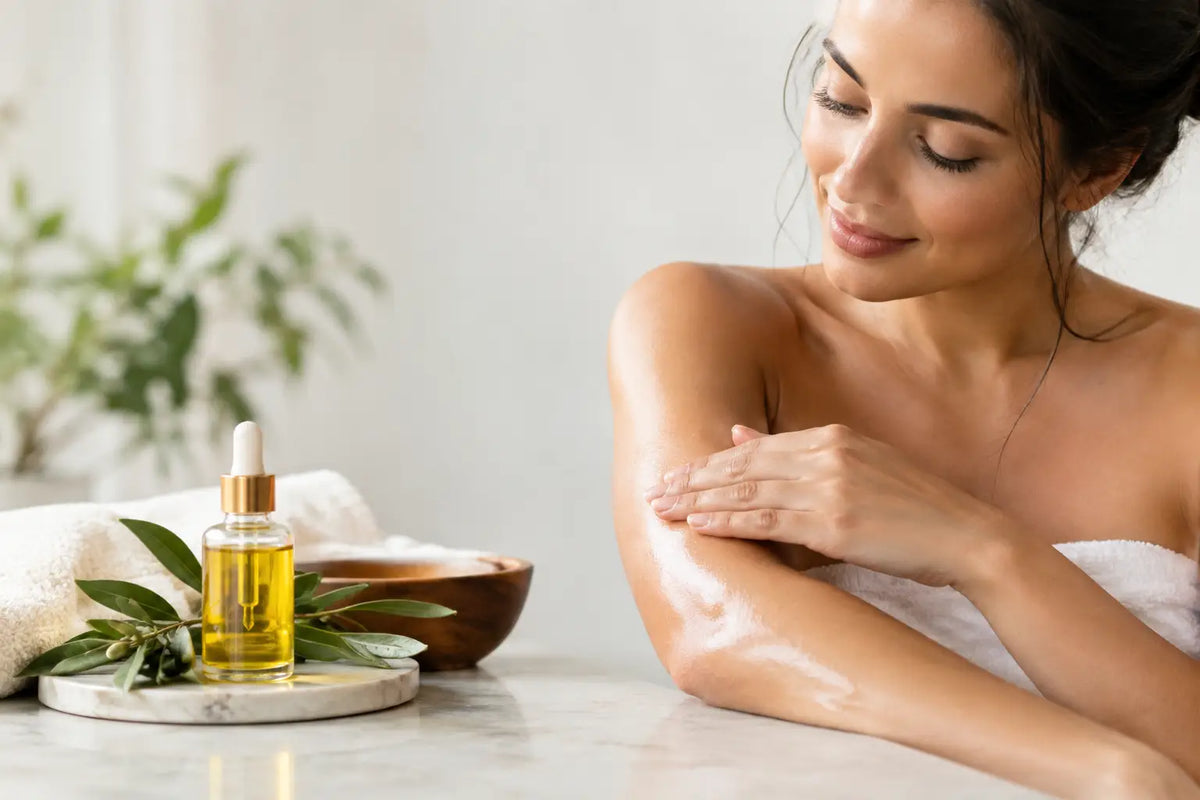
Body Oils: A Simple Ritual for Softer Skin
Body oils earn their place on the bathroom shelf when skin feels tight after a shower, legs look a little ashy, or your evening routine needs a moment that is just for you. A good oil does more than leave a temporary sheen. Applied well, it helps hold moisture close to the skin, softens rough areas and turns a practical step into a calming daily ritual.
For many of us, body care is where skincare becomes realistic. You do not need ten products or an elaborate routine. One thoughtfully chosen oil, used on damp skin with a few unhurried minutes, can make a noticeable difference to how comfortable and cared for your skin feels.
What body oils actually do for skin
Skin loses water throughout the day, particularly in cooler weather, after long hot showers, or when heating and air conditioning are working overtime. Oils are occlusive and emollient ingredients. In plain terms, they help soften the surface of the skin and reduce the amount of moisture that escapes.
That is why timing matters. Oil does not add water to dry skin on its own in the same way a water-based lotion can. It works best when there is already some moisture present. Applying it straight after bathing, while skin is still slightly damp, helps give the oil something to seal in.
The finish depends on the formula and how much you use. Lightweight botanical oils can leave skin supple and comfortable, while richer oils are especially useful for dry shins, elbows, knees, hands and feet. There is no need to be glossy from head to toe. Start with a small amount and let your skin, rather than the bottle, tell you if you need more.
Choosing body oils for your skin and routine
The best body oil is one you will genuinely enjoy using. Texture, scent and ingredient quality all matter because body care only works when it becomes part of your routine, not another half-used product in the cupboard.
For dry or mature-looking skin, look for nourishing plant oils that feel rich without being overly sticky. Oils naturally high in fatty acids can help leave the skin feeling cushioned and smooth. If your skin is prone to sensitivity, a simple, fragrance-free formula is often the sensible place to start. Essential oils can smell beautiful and make a ritual feel special, but more fragrance is not automatically better for every skin type.
Castor oil is a particularly thick, protective oil with a long history in traditional beauty rituals. Its texture means it is usually more comfortable as a targeted treatment than an all-over body oil. Try a small amount on dry cuticles, heels, brows or a stubbornly rough patch, or blend a little with a lighter oil for easier spreadability. Choose certified organic, cold-pressed castor oil where possible, especially if ingredient purity is important to you.
New Zealand botanicals can also bring a familiar, grounding quality to body care. Kawakawa has long been valued in traditional topical preparations and is often chosen for a soothing, comforting ritual. If you are trying a botanical blend for the first time, patch test it first. Natural ingredients still deserve the same care and attention as any other skincare ingredient.
Scented or unscented?
This comes down to preference and skin tolerance. A softly scented body oil can signal the end of the workday and make an evening massage feel more restorative. An unscented option is more flexible if you wear perfume, share products with your family, or simply prefer to keep your routine minimal.
If you have reactive skin, eczema, psoriasis, a known allergy, or are managing a skin condition with a health professional, introduce new products cautiously. Patch test on a small area for 24 to 48 hours and stop use if irritation occurs. Body oils can support the feeling of soft, comfortable skin, but they are not a replacement for medical advice or prescribed treatment.
How to apply body oil without feeling greasy
The difference between a luxurious finish and oil on your clothes usually comes down to application. Use body oil after showering or bathing, once you have gently patted off excess water. Your skin should feel damp, not dripping.
Warm a small amount between your palms, then press and sweep it over the body in long strokes. Begin with the driest areas - lower legs, arms, elbows and knees - before deciding whether your chest, shoulders or torso need any product. Give the oil a minute or two to settle before getting dressed.
At night, a little extra time can make the ritual feel even better. Massage oil into your feet, calves, shoulders or hands with slow, steady pressure. This is not about perfect technique. It is about noticing where your body is holding tension and making a small pocket of calm before bed.
For mornings, keep it quick. Apply a light layer after your shower, then follow with sunscreen on any exposed skin. Body oil is not sun protection, even if it gives the skin a healthy-looking glow.
Pairing oil with lotion for deeper hydration
If your skin is very dry, oil and lotion do not have to compete. They do different jobs and can work beautifully together. Apply a hydrating body lotion first, then use body oil over the top to help reduce moisture loss. Alternatively, mix a drop or two of oil into a plain moisturiser in your hand immediately before applying.
This pairing is particularly helpful during winter, after swimming, or when your legs and arms feel dry despite regular moisturising. Keep the rest of the routine simple. Gentle cleansing, lukewarm water and consistent application will usually serve your skin better than constantly changing products.
There is one practical trade-off: layers take slightly longer to absorb. If you are getting dressed in a hurry, use lotion in the morning and save your richer oil ritual for the evening. Consistency beats doing the most on one night and nothing for the next fortnight.
Body oil beyond the shower
A versatile oil can be useful in more places than the bathroom. Smooth a tiny amount over the ends of dry hair before washing, massage it into nails and cuticles, or use it on hands after gardening, cleaning or a day spent in cold wind. For a simple at-home massage, choose an oil with enough slip to move comfortably across the skin rather than tugging.
Be mindful around fabrics and flooring. Oil can stain clothing and make shower tiles slippery, so apply away from the bath edge, wash your hands afterwards, and let the product absorb before slipping into your favourite linen shirt or climbing into bed.
Pregnancy, breastfeeding, medications and allergies can all affect what feels suitable for your body. If you are unsure about essential oils or a new active botanical, check with your midwife, pharmacist or health professional first. Clear ingredients and straightforward directions make this easier - and that kind of transparency is worth looking for.
Making the ritual easy to keep
The body oil you use regularly will do more for your skin than the expensive one waiting for a special occasion. Keep it where the habit happens: beside your towel, near your bedside table, or next to the hand soap if dry hands are your main concern.
A few drops after a shower can become a quiet signal that the day is slowing down. Choose a formula that feels good on your skin, use less than you think at first, and let that small daily moment be enough.