

Organic Skincare Certification
A bottle can look beautifully natural, feature a leafy label and still leave you wondering what you are actually buying. This organic skincare certification guide is for anyone who wants clearer answers before adding a facial oil, castor oil or body balm to their daily ritual. Certification can be a meaningful sign of care, but the wording matters just as much as the logo.
For New Zealand shoppers, choosing natural skincare is often about more than avoiding a long ingredient list. It can mean supporting thoughtful production, knowing where botanical ingredients come from and finding gentle products that feel good to use every day. The aim is not perfection or a complicated routine. It is understanding what a label can genuinely tell you.
What organic skincare certification means
Organic certification is a third-party verification process. An independent certifier checks that ingredients and production methods meet a defined standard, rather than asking shoppers to take a brand's word for it.
In skincare, this commonly includes reviewing how agricultural ingredients are grown and handled, whether genetically modified ingredients are restricted, how the product is made, and how records are kept through the supply chain. Depending on the standard, it may also cover packaging expectations, cleaning processes and the ingredients permitted in the final formula.
Organic skincare certification does not mean every part of a product grew in a paddock. Water, minerals, salt and naturally derived materials such as clay cannot be certified organic in the same way as cold-pressed plant oils or herbs. This is why a quality product can contain certified organic ingredients without claiming that 100 per cent of the finished formula is organic.
The useful question is: what, exactly, is certified? A single ingredient may be certified organic, while a finished product organic skincare certification applies to the complete formula and its manufacturing process. Both can be valuable, but they are different claims.
Organic, natural and certified: the difference
These words are often grouped together, although they do different jobs on a label.
Organic usually refers to ingredients produced under an organic farming standard. For botanical ingredients, that may mean controls around synthetic pesticides, fertilisers and genetic modification, alongside traceability requirements. The exact rules depend on the certification body and standard.
Natural generally describes an ingredient sourced from nature or derived from natural materials. It is not, by itself, a guarantee of organic farming or third-party certification. Natural can still be a thoughtful choice, particularly for ingredients that cannot be organic, but it is a broader term.
Certified organic means a recognised independent body has assessed a product or ingredient against its requirements. Look for the certifier's name or logo, rather than relying only on green packaging or phrases such as “organic inspired”.
A product can be excellent without being fully certified organic. Small-batch makers may use carefully selected natural ingredients but face the expense and administrative work of full certification. Equally, certification gives shoppers an additional layer of verification where it is present. It is a helpful quality cue, not the only measure of a product's value.
Which organic skincare certification marks might you see?
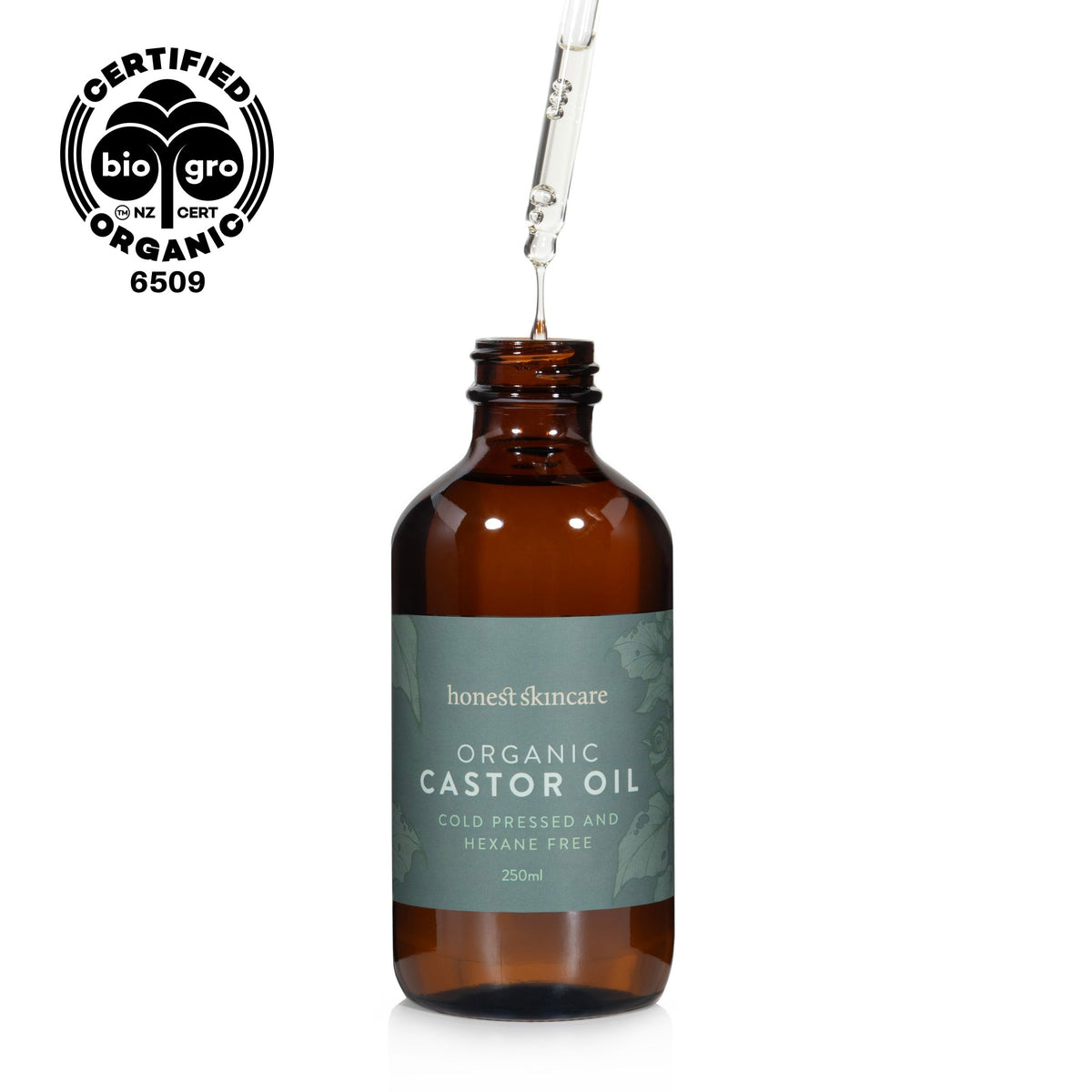
New Zealand shoppers may see certification associated with BioGro, COSMOS, Ecocert, Australian Certified Organic or other recognised international standards. Each programme has its own criteria, permitted ingredient lists and logo rules. The important part is that the certification is specific and can be identified.
COSMOS is widely used in cosmetics and has categories such as COSMOS Organic and COSMOS Natural. That distinction matters. A COSMOS Natural product meets natural-origin requirements, while COSMOS Organic also meets requirements for organic content. Neither phrase needs to be treated as better in every situation, but they should not be confused.
When a label says “made with organic ingredients”, check whether it explains which ingredients those are. For a simple product such as pure castor oil, the claim is easier to assess: the oil itself should be named and the organic status clearly stated. For a face cream, kawakawa balm or magnesium body product, a blend contains more moving parts. Ingredient sourcing, preservation and performance all need consideration.
How to read a skincare label with confidence
Start with the ingredient list, often called INCI. Ingredients are typically listed from highest to lowest concentration, although ingredients under one per cent can be listed in varying order. Botanical names may appear in Latin, with common names included nearby.
For a simple oil, look for a short, clear list. Organic castor oil may be shown as Ricinus Communis Seed Oil, with an organic marker or certification statement. If the product is fragranced, the label should make that clear. Essential oils can create a lovely sensory ritual, but they can also be unsuitable for very reactive skin.
For more complex skincare, focus on the first several ingredients, the source of the active botanicals and whether the brand explains the formula plainly. A marine collagen melting mask, for example, may combine film-forming ingredients, humectants and collagen technology to support a hydrated, fresh-looking finish. Its value is not reduced because every ingredient is not a plant extract.
Be wary of claims that sound impressive but offer no detail. “Chemical-free” is not a meaningful skincare promise, because everything is made of chemicals, including water and plant oils. “Non-toxic” can also be vague unless a brand explains the testing or standards behind it. Clear language beats dramatic language.
The practical questions worth asking
A certification logo is a useful start, then a few simple questions help build the fuller picture:
- Is the finished product certified, or only one or more ingredients?
- Which certification body or standard sits behind the claim?
- Does the brand identify the organic ingredients in the formula?
- Is the full ingredient list easy to find and understand?
- Is the product made for your skin concern and how you will actually use it?
Good skincare is personal. Your skin can react to natural ingredients, synthetic ingredients or a combination of both. Patch test a new product first, especially if you have eczema, psoriasis, allergies or a sensitised skin barrier. If a product causes stinging, persistent redness or a rash, stop using it and seek tailored advice from a health professional if needed.
Why formulation still matters
It is tempting to think that certified organic automatically means gentle, effective or right for every skin type. It does not. Quality comes from the whole formula: ingredient selection, concentration, freshness, stability, hygiene, packaging and how the product feels on your skin.
Preservatives are a good example. Water-based creams, gels and mists need an effective preservation system to remain safe through use. A carefully chosen preservative is not a failure of clean skincare. It helps protect the product from unwanted microbial growth. The same thinking applies to antioxidants in oils, which can support freshness and help slow oxidation.
For many people, a smaller routine is kinder to both skin and budget. Choose one dependable cleanser or balm, one treatment or moisturising step that suits your needs, and a daily SPF appropriate for your lifestyle. Add rituals such as castor oil packs, magnesium massage or a collagen mask because they feel supportive and enjoyable, not because you feel pressured to do everything at once.
Buying with care, not perfection
Organic certification can help you choose with more confidence, especially when you value botanical ingredients, responsible sourcing and independent checks. But the best label is paired with transparency: a brand that names its ingredients, explains its claims and does not promise miracles.
At Honest Skincare, we believe self-care should feel straightforward. A thoughtfully chosen oil, balm or mask can turn a rushed moment into a small daily reset. Read the label, notice how your skin responds and let the products you choose earn a place in your routine through consistency, comfort and care.