Article: Body Butter Versus Body Oil for Dry Skin
Body Butter Versus Body Oil for Dry Skin
Your skin can feel tight straight after the shower, then still look dull by lunchtime. That is where the body butter versus body oil question becomes useful. Both can make skin feel soft, comforted and cared for, but they work differently on the skin and suit different routines, seasons and concerns.
The best choice is not always one or the other. Some skin loves a rich butter at night and a light oil after a morning shower. The key is choosing a texture you will enjoy using consistently, with ingredients that feel good on your skin.
Body butter versus body oil: the key difference
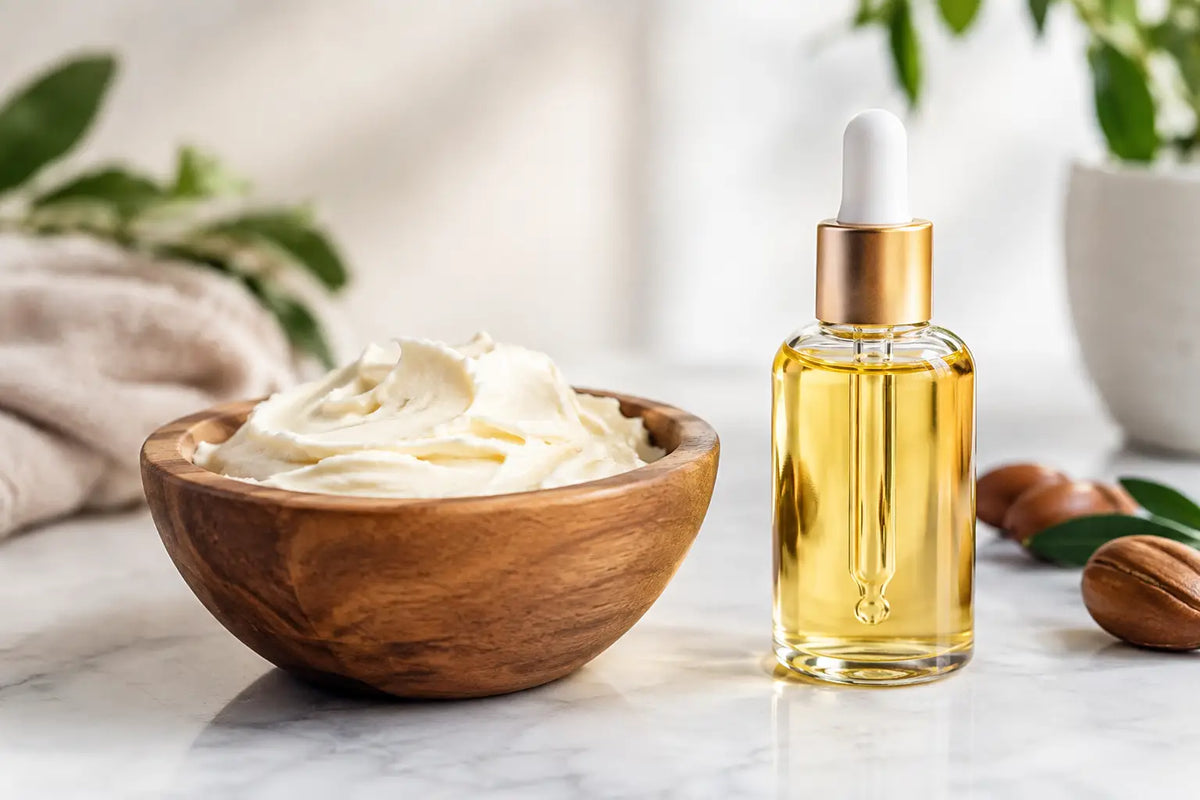
Body butter is usually a thick, scoopable moisturiser made with plant butters and oils. Shea butter, cocoa butter, mango butter and coconut oil are common examples. Depending on the formula, it may also contain waxes, botanical extracts or a little water-based lotion to create a creamier finish.
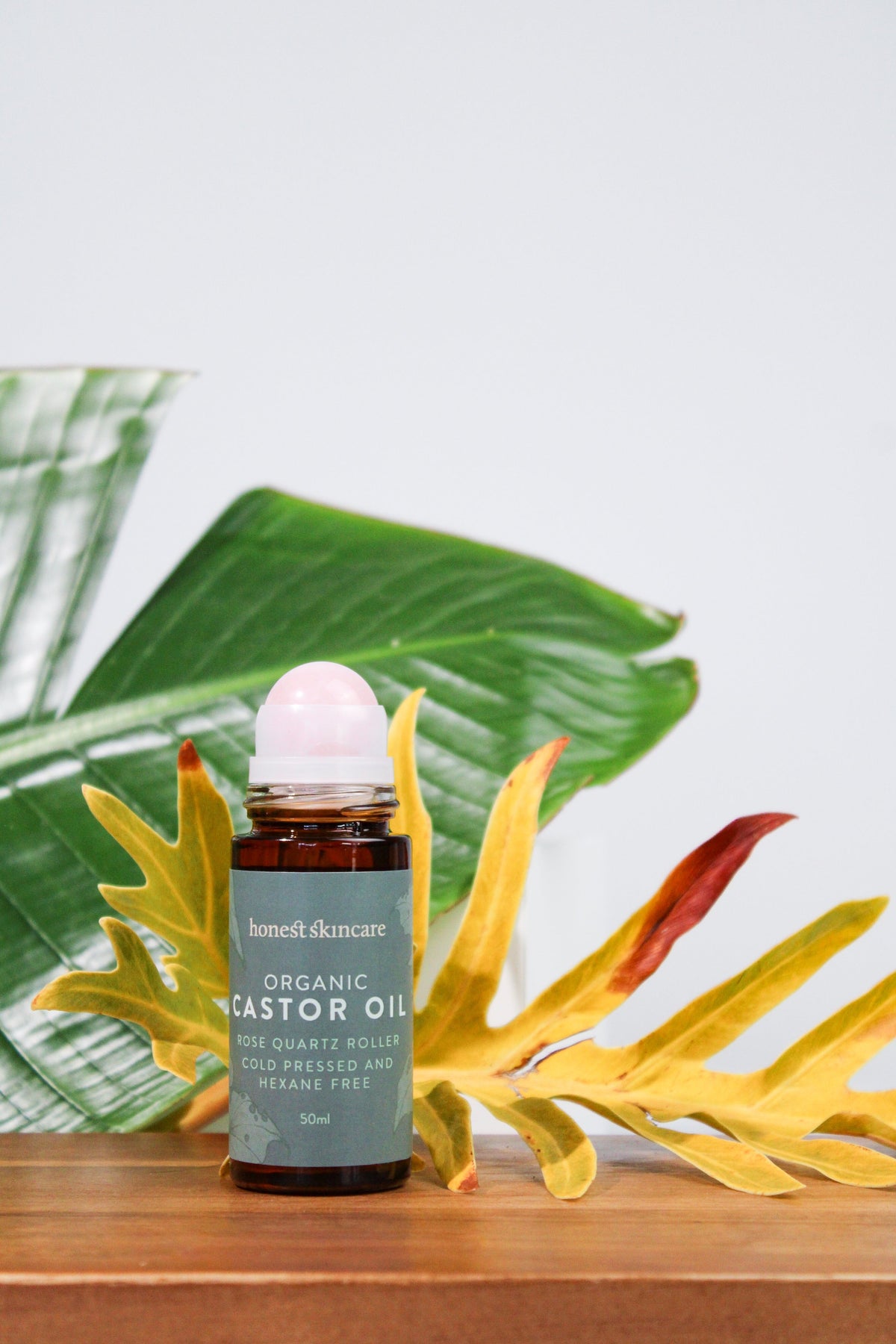
Body oil is a blend of oils that sits more lightly on the skin. It may contain one hero oil, such as organic castor oil, or a combination of nourishing plant oils chosen for their feel, aroma and fatty-acid profile. Oils do not add water to the skin. Instead, they help soften the surface and reduce the amount of moisture that evaporates from it.
In simple terms, body butter tends to feel richer and more protective, while body oil is more fluid, supple and easy to spread. Neither is automatically better. Your skin’s dryness, the weather, your shower habits and the sensation you prefer all matter.
When body butter is the better choice
Reach for body butter when skin feels rough, flaky or persistently dry. Its dense texture is especially welcome on shins, knees, elbows, heels and hands - the places that often need more attention than the rest of the body.
A well-made butter creates a comforting layer over the skin. That can be particularly helpful in cooler months, after long hot showers, or when indoor heating leaves your limbs feeling parched. If you like to apply your body care before bed, butter also has staying power. Massage it into dry areas, pull on cotton socks if your heels need extra care, and let the richer texture do its work overnight.
Body butter can feel too heavy for some people in humid weather or if they prefer to dress quickly after showering. It can also take a little more time to warm between your palms. That is not a flaw, just part of the ritual. Start with less than you think you need, then add more only where skin still feels thirsty.
Look beyond the word “butter”
Not every body butter is equally nourishing. Some formulas are bulked out with mineral oil, strong synthetic fragrance or ingredients that leave a slippery coating without much lasting comfort. Others are beautifully simple, using botanical butters, natural oils and skin-friendly extracts.
For sensitive skin, a short ingredient list can make choosing easier. Fragrance-free or gently scented formulas are often a sensible starting point, especially if your skin reacts to perfumed products. Patch test a new product on a small area first, even when it is made with natural ingredients.
When body oil is the better choice
Body oil is ideal for anyone who wants quick softness and a healthy-looking sheen. It is particularly lovely applied to slightly damp skin after bathing. Pat yourself dry rather than rubbing vigorously, then smooth a small amount of oil over arms, legs and décolletage. The remaining water on the skin helps the oil spread beautifully and gives it moisture to seal in.
An oil can be a practical choice for a rushed morning, too. A few drops warm easily in the hands, making it simple to cover larger areas without tugging at the skin. Choose a lighter-feeling formula during a New Zealand summer or when you want to wear a dress, shorts or sandals without a heavy finish.
Body oil also lends itself to massage. The glide makes it ideal for a few unhurried minutes on tense shoulders, tired calves or feet at the end of the day. A botanical oil can turn an ordinary application into a small reset, especially when you take the time to notice its texture and scent.
The trade-off is that oil can transfer onto clothing if too much is used, and it may not feel sufficiently protective on very dry, cracked areas. It is also worth taking care in the bathroom - oil underfoot can make shower floors slippery. Apply once you are standing on a dry bathmat, and give the product a moment to absorb before getting dressed.
Which works best for dehydrated skin?
Dry skin lacks oil, while dehydrated skin lacks water. It is possible to have both, and body skin often moves between the two depending on the season, swimming, travel and shower routines.
If dehydration is the main issue, start with water. Avoid overly hot showers, use a gentle body cleanser and apply your product while skin is still a little damp. A body oil can help hold that water in, while a body butter can provide a more substantial seal. If your skin is very dry and dehydrated, layering may be the most comfortable option: use a light oil on damp skin, then press a small amount of butter onto the driest patches.
This approach is not about using more product for the sake of it. It is about placing the right texture where it is needed. Your forearms may be happy with oil, while your lower legs ask for butter. Skin care does not need to be all-or-nothing.
Consider your skin concerns and routine
For rough, wintery skin, a rich body butter is usually the first product to try. If your goal is a natural glow and soft, flexible-feeling skin, body oil may be your everyday favourite. For post-shave dryness, either can work, but choose a simple formula and apply gently to avoid unnecessary irritation.
If you are prone to body breakouts, avoid assuming that all oils or butters will cause congestion. Skin responses are individual. Focus on a clean formula, use a small amount, and see how your skin responds over a couple of weeks. If you have eczema, psoriasis, persistent irritation or broken skin, speak with a health professional or dermatologist for guidance, particularly before introducing essential oils or fragranced products.
Your routine matters as much as your skin type. A beautiful butter that stays unopened because it feels too rich for weekday mornings will not help as much as an oil you happily use after every shower. Likewise, a lightweight oil may not be enough if your shins are itchy and flaky through winter. Let real-life use guide you.
How to apply each product for better results
With body butter, take a pea-sized amount for each small area and warm it between your hands before massaging in. Begin with the driest zones, then use any remaining product on softer areas such as arms or shoulders. Applying it after a shower, while skin is just damp, helps it spread more evenly.
With body oil, use a few drops at a time rather than pouring freely into your palm. Smooth it over damp skin in long strokes, then pause before dressing. For an extra comforting ritual, apply oil after an evening bath and take a moment to massage your feet, hands or lower legs.
For both, consistency beats intensity. Daily application to damp skin generally gives better results than a large amount once a week. Exfoliating gently once or twice weekly can also help with surface roughness, but skip harsh scrubs if your skin feels sensitive, inflamed or compromised.
A simple way to choose
Choose body butter if you want deep comfort, a thicker protective feel and targeted care for dry patches. Choose body oil if you want quick application, a lighter finish and an easy post-shower glow. Keep both if your skin changes with the weather, or if you enjoy a richer night-time ritual and a lighter morning routine.
At Honest Skincare, we believe body care should feel uncomplicated, ingredient-conscious and genuinely pleasant to use. Whether you favour a velvety butter or a botanical oil, apply it with intention. Those few quiet minutes after the shower can be one of the easiest ways to give your skin, and yourself, a little more care.