Article: Natural Skincare for Psoriasis Made Simple
Natural Skincare for Psoriasis Made Simple
When psoriasis is active, even an ordinary shower or favourite body lotion can sting. Natural skincare for psoriasis is not about chasing a miracle cure. It is about making daily care gentler, reducing avoidable irritation and giving dry, tight skin the comfort it needs between flare-ups.
Psoriasis is an immune-mediated condition, not simply dry skin. It can look and feel different from person to person, from small scaly patches to widespread plaques that itch, crack or feel sore. A thoughtful natural routine can sit alongside care from your GP, dermatologist or pharmacist, but it should not replace prescribed treatment.
What natural skincare can realistically do for psoriasis
The most helpful skincare goal is usually skin barrier support. Psoriasis can make the outer layer of skin less effective at holding on to moisture, leaving it vulnerable to dryness, friction and irritation. A plain, nourishing moisturiser or oil-based product may soften roughness and ease that uncomfortable pulled feeling.
Natural does not automatically mean gentle, however. A formula can be plant-based and still contain ingredients that cause a reaction on sensitised skin. Fragrance, essential oils, exfoliating botanicals and strong blends may be lovely in a relaxing body ritual but are not always a good match for an active flare.
Think of your routine as support rather than treatment. The right products may help your skin feel more comfortable and cared for. They cannot switch off the underlying inflammation that drives psoriasis, so persistent, painful or spreading symptoms deserve medical advice.
Build a gentle psoriasis skincare routine
A simple routine is often kinder than a crowded bathroom shelf. During a flare, give your skin fewer ingredients to respond to and make consistency your priority.
Keep bathing warm, brief and low-foam
Long, hot showers can strip already-dry skin of its protective oils. Choose lukewarm water, keep showers brief and pat the skin dry with a soft towel rather than rubbing. If you use a cleanser, look for a mild, fragrance-free option and use it where it is needed, rather than washing every area vigorously.
A bath can feel soothing for some people, particularly when skin is tight or itchy. Keep the water comfortably warm rather than hot, and be cautious with bath salts, bubbles and scented oils. Even naturally derived fragrance can become too much when the skin barrier is compromised.
Moisturise while skin is still slightly damp
The few minutes after bathing are a useful window. Pat dry, then apply a generous layer of a simple cream, balm or oil to help hold moisture in. This is less about an elaborate technique and more about repetition - morning, evening and after washing hands if those areas are affected.
Creams and balms tend to provide more lasting protection than lightweight lotions because they contain more oils and occlusive ingredients. An oil can be a comforting addition for very dry areas, but it does not add water to the skin on its own. Applying it over damp skin or over a plain moisturiser often makes more sense than using it as the only step.
Treat rubbing as an ingredient to avoid
Waistbands, scratchy fabrics, shaving, harsh loofahs and over-exfoliation can all aggravate psoriasis-prone skin. Choose soft, breathable clothing where possible and use a gentle hand rather than trying to scrub scale away. Picking or forcefully lifting flakes can lead to soreness and may worsen plaques.
This matters for hands and feet too. Carrying out household jobs with gloves, drying carefully between toes, and choosing comfortable footwear can reduce extra stress on vulnerable skin.
Ingredients worth considering, and those to approach carefully
Ingredient-conscious care is a good instinct, but psoriasis responds best to what your individual skin tolerates. Introduce one new product at a time, then give it several days before adding anything else. That way, if your skin becomes redder, itchier or sore, you have a better chance of identifying the cause.
Simple plant oils and rich balms
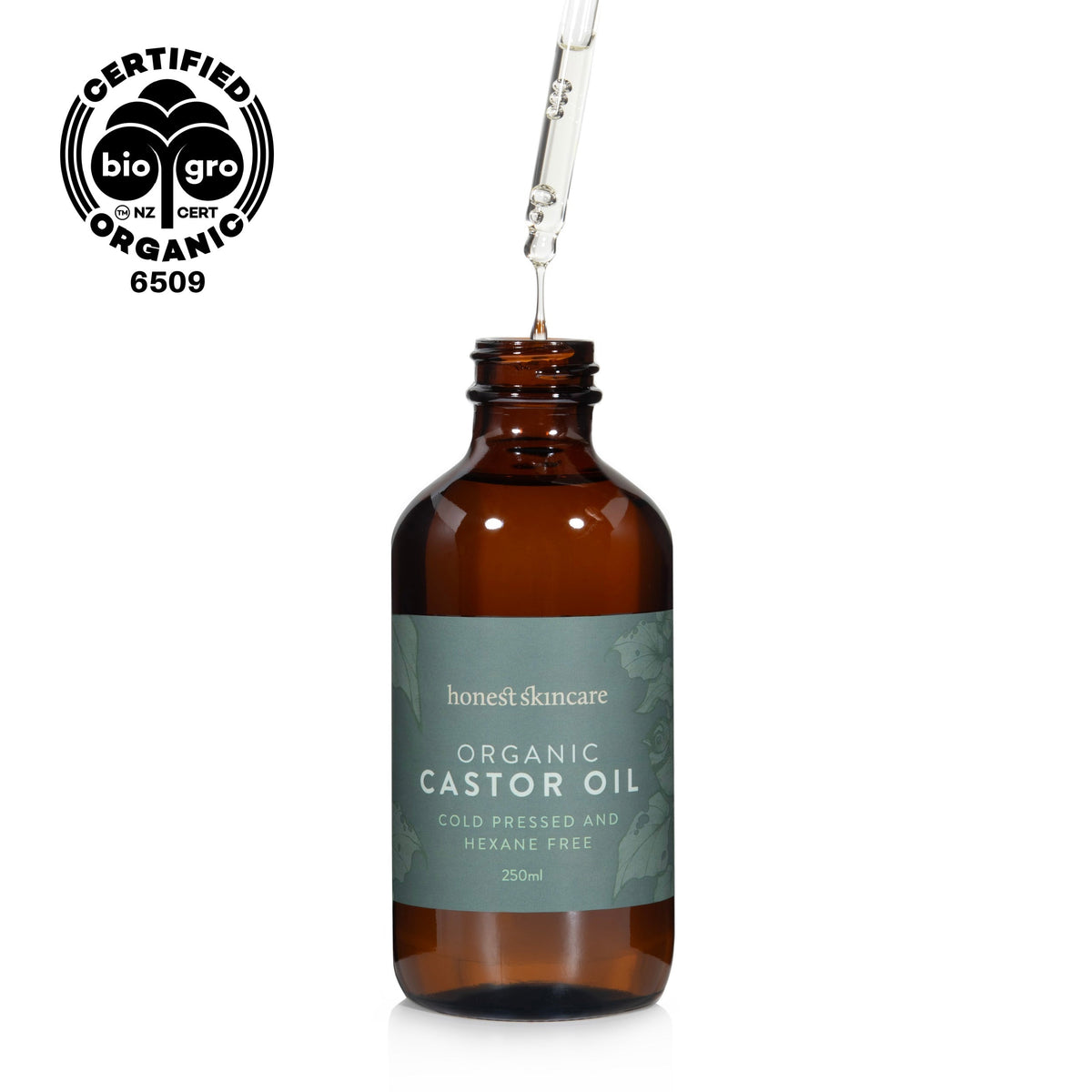
Well-formulated, fragrance-free balms and uncomplicated plant oils can help reduce the feeling of dryness. Organic castor oil is naturally thick and cushiony, which many people enjoy for dry elbows, knees, cuticles and other small areas. There is limited evidence that castor oil treats psoriasis itself, so it is best viewed as a moisturising ritual rather than a psoriasis remedy.
If you would like to try it, use a very small amount on a patch of intact skin first. Avoid applying oils to cracked, weeping or infected-looking skin, and stop if there is burning, rash or increased itch. Honest Skincare’s organic castor oil can suit a simple dry-skin ritual when used cautiously and with those expectations in mind.
Kawakawa is a treasured New Zealand botanical often used in soothing skin preparations. Its traditional use makes it a meaningful choice for some, especially when they want a locally made alternative to heavily fragranced body care. Still, traditional use is not a guarantee that every skin type will tolerate it. Patch test first, particularly during an active flare.
Colloidal oats and barrier-friendly basics
Colloidal oatmeal is widely used in products designed for dry, itchy skin and can be a gentle option for many people. Glycerin, ceramides, petrolatum and squalane are also worth recognising on an ingredient list. They may not sound botanical, but a truly skin-kind routine is about performance and tolerance, not whether every ingredient has a romantic origin story.
For some people, thicker ointments are most useful overnight, with cotton sleepwear helping keep the product on the skin rather than the sheets. In warmer weather, a lighter cream used more often may feel more comfortable. It depends on your climate, where your plaques are and what you can realistically keep doing.
Essential oils, acids and active treatments
Essential oils are not automatically off limits, but active psoriasis patches are not the place to experiment with them. Tea tree, peppermint, citrus, eucalyptus and cinnamon can feel intensely tingly and may trigger irritation or allergy. The same care applies to physical scrubs, strong fruit acids and retinoids unless they have been specifically recommended by a clinician who understands your skin.
Be wary of products promising to detox, draw out toxins or clear psoriasis quickly. Psoriasis is not caused by poor cleansing, and a product that makes the skin sting is not proof that it is working.
Patch testing is a small step with real value
Before using a new balm, botanical blend or oil more widely, apply a pea-sized amount to a small area of unaffected skin, such as the inner forearm. Leave it on as directed and watch the area for 24 to 48 hours. Redness, swelling, itching, blistering or burning are signs to wash it off and avoid the product.
A clear patch test is reassuring, but it cannot promise a product will be suitable for every psoriasis plaque. Skin can become more reactive during a flare, so start slowly even with a product that has worked in the past.
When natural care is not enough
Seek advice from a healthcare professional if plaques are painful, cracking, bleeding, warm, weeping or showing signs of infection. It is also wise to get support if psoriasis affects your face, genitals, scalp, nails or large areas of your body, or if it is disrupting sleep, work or confidence.
Joint pain, stiffness or swelling needs prompt medical attention because psoriasis can be associated with psoriatic arthritis. A GP or dermatologist can help you find a treatment plan that may include medicated creams, light therapy or systemic medicines, while you continue a gentle moisturising routine at home.
Your skin does not need a punishing routine to deserve care. Choose fewer products, keep them gentle, listen to changes in your skin and let the daily act of moisturising be one quiet moment that feels good for your skin and good for you.