How to Choose Lash Serum for Sensitive Eyes
Watery eyes halfway through your morning routine, itchy lash lines after a new product, or a little redness that will not settle are all signs to slow down. A lash serum for sensitive eyes should feel like a small act of care, not another thing your eye area has to tolerate. The right formula and application habits matter just as much as the promise on the label.
The skin around the eyes is thin, the lash line sits close to the eye’s surface, and even ingredients that suit the rest of your face can feel too active here. That does not mean you need a complicated routine. It means choosing thoughtfully, introducing one product at a time and giving your eyes permission to opt out if something does not feel right.
Why the eye area can react so easily
Your eyelids and lash line are exposed to a lot each day: cleanser, make-up, sunscreen, mascara, eye cream, pollen, wind and the occasional late-night make-up removal. If you wear contact lenses, have seasonal allergies, rub your eyes when tired, or have a history of eczema around the eyes, the area may already be more reactive.
Sensitivity is not always immediate. Stinging can happen on first use, but redness, dryness, flaky skin or a heavy, irritated feeling may take a few days to show up. This is why a product that looks beautifully natural on a shelf still deserves a careful introduction. Natural ingredients can be wonderfully supportive, yet botanicals and essential oils can also trigger a reaction in some people.
A good lash routine should support the condition of your lashes and the skin that holds them, rather than chase dramatic results at the expense of comfort.
What to look for in a lash serum for sensitive eyes
Start with a short, clear ingredient list. Fewer ingredients do not automatically make a formula better, but they can make it easier to understand what you are applying and to identify a possible trigger if your skin reacts.
Look for conditioning ingredients that help lashes feel soft, glossy and less brittle. Plant oils and gentle emollients can be useful for this purpose, provided the formula is designed for the eye area and used sparingly. Organic castor oil is a popular choice in simple beauty rituals because of its rich, cushioning texture. It can help coat lashes and brows for a nourished appearance, but it is not a guaranteed lash-growth treatment. Think of it as conditioning care, not a shortcut to a different lash line overnight.
Fragrance-free is often a sensible starting point for sensitive eyes. Added fragrance, including fragrant essential oils, can be lovely in body products but is not always welcome close to the lash line. If you know your eyes react to lavender, citrus oils, peppermint or floral extracts, keep them out of this particular step.
It is also worth looking carefully at active lash-growth products. Some formulas use prostaglandin analogues or similar compounds to influence the lash growth cycle. These may suit some people, but they can come with a higher chance of irritation and changes around the eye area. If you have sensitive eyes, dry eye symptoms, an existing eye condition, are pregnant or breastfeeding, speak with an optometrist, pharmacist or doctor before using an active lash-growth treatment.
The applicator matters, too. A clean spoolie or a fine brush that allows you to use a tiny amount is more helpful than one that floods the lash line. Excess product can migrate into the eye, particularly overnight, and even a gentle formula is unlikely to feel good once it gets there.
Ingredients and habits to approach with care
There is no universal avoid list because sensitivity is personal. Still, a few things deserve extra attention when you are shopping for lash care:
- Added fragrance and essential oils can be irritating near the eyes, even when they are natural.
- Alcohol-heavy formulas may feel drying or sting on compromised skin.
- Strong active ingredients may not suit an already reactive lash line.
- Preservatives are necessary in many water-based products, but certain types can be problematic for individuals with known sensitivities.
- Glitter, loose fibres and thick waxy formulas may be more likely to shed or move into the eye.
Patch test first, then start slowly
A patch test is not glamorous, but it can save you a very uncomfortable week. Apply a tiny amount of the product to the outer arm or behind the ear and leave it for 24 to 48 hours, following the product directions. Check for redness, itching, swelling, rash or burning.
A clear patch test does not guarantee that your eye area will love the product, because eyelid skin is more delicate. For the first application, use the smallest possible amount and apply it only to clean, dry lashes. Keep it away from the inner corners of the eyes and the lower waterline, where product can travel more easily.
Use it every second or third night at first. If your eyes remain comfortable after a week, you can follow the recommended routine. This slower approach is especially helpful if you are also trying a new mascara, eye cream or make-up remover. When several new products arrive at once, it is almost impossible to know which one caused a reaction.
A gentle evening lash ritual
The best time for lash care is after you have removed your make-up properly. Avoid rubbing at mascara with a dry cotton pad. Instead, press a gentle cleanser or make-up remover over closed eyes for a few seconds, then wipe softly downward. Waterproof mascara may last through a busy day, but it usually needs more friction to remove, which can be hard on fragile lashes and sensitive lids.
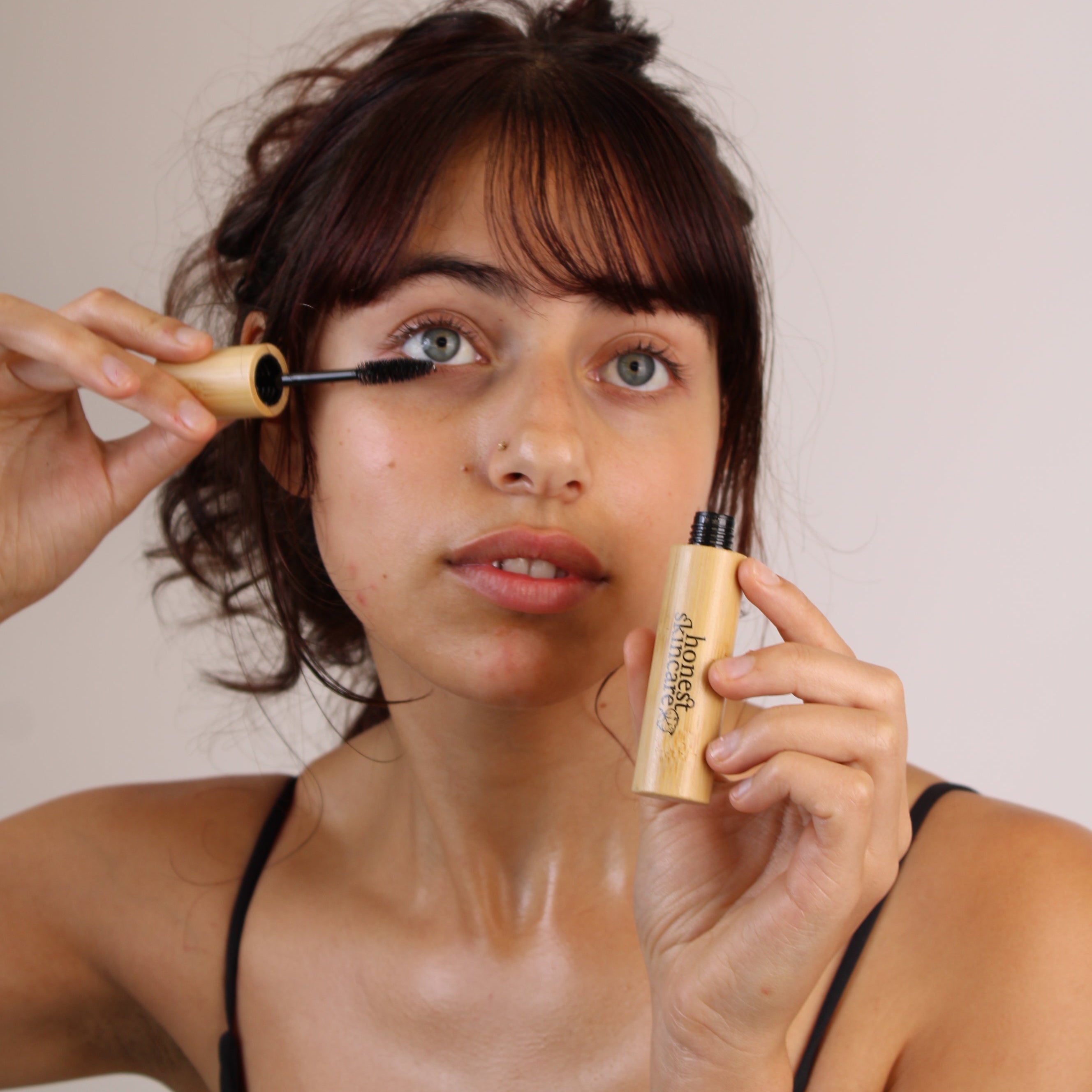
Once the area is clean and dry, place a very small amount of your chosen serum or conditioning oil onto a clean applicator. Sweep it through the lashes from the base towards the tips, rather than loading product directly onto the skin. One light coat is enough. More product does not mean more benefit, and it increases the chance of it slipping into the eye.
If you use castor oil as part of a simple ritual, choose a high-quality, pure oil and keep the amount minimal. A clean spoolie dedicated to lash and brow care is a practical option. Do not share it, and wash or replace it regularly. Honest Skincare’s approach to uncomplicated, ingredient-conscious self-care works well here: choose quality, use less, and make consistency more important than intensity.
In the morning, rinse away any residue if needed before applying sunscreen and make-up. If your eyes feel blurry, sticky or irritated when you wake up, pause the product rather than trying to push through.
Set realistic expectations for healthier-looking lashes
Lashes naturally shed and regrow in cycles, so visible changes take time. Conditioning formulas may help lashes look smoother, shinier and less dry, particularly if frequent make-up removal or lash curling has left them feeling brittle. A serum will not necessarily make every person’s lashes longer or thicker, and results depend on genetics, overall health, make-up habits and the kind of formula you choose.
Gentle everyday choices can make a noticeable difference to how your lashes look over time. Replace old mascara, clean lash curlers, avoid sleeping in eye make-up and resist pulling at falsies or extensions. If your lash loss feels sudden, patchy or persistent, or if you have ongoing itchiness and swelling, stop experimenting with products and seek personalised advice from an eye-care professional.
When to stop using a lash product
Stop immediately if you experience burning, swelling, persistent watering, pain, blurred vision, pronounced redness or a rash on the eyelids. Rinse the eye area gently with clean lukewarm water if product has entered the eye. Do not apply more serum to see whether the reaction settles.
For mild irritation around the lid, leave the area bare and keep your routine simple until it feels normal again. Reintroducing a product too soon can prolong the issue. Comfort is the measure of a successful lash ritual, not how quickly you finish a bottle.
Your lashes do not need an aggressive routine to look cared for. A fragrance-conscious formula, a clean applicator and a feather-light touch can turn this small evening step into the kind of reliable self-care that feels good from the first use onward.