Can a Collagen Mask for Fine Lines Help?
Fine lines tend to look more noticeable when skin is thirsty, tired or feeling a little depleted. A collagen mask for fine lines can be a lovely way to give your complexion a short, concentrated moisture boost, especially before an occasion or whenever your usual routine needs a little more care. Think of it as a quiet 20-minute reset: cool, comforting and designed to leave skin looking fresher.
The key is to have realistic expectations. A mask will not erase expression lines or change the natural structure of skin overnight. What it can do is support the surface of the skin with hydration and conditioning ingredients, helping fine lines look softer and skin appear smoother, bouncier and more luminous for a time.
Why fine lines can look more obvious
Fine lines are a normal part of skin. They can appear around the eyes, forehead, mouth and neck as we smile, squint, sleep and move through life. With time, our skin's natural collagen production slows, while sun exposure, stress, dry air and everyday dehydration can affect how supple it looks and feels.
Often, however, the lines you notice most on a particular day are dehydration lines. When the outer layer of skin is low on moisture, it can look less plump and reflect light less evenly. Makeup may settle more readily, and the complexion can feel tight after cleansing. This is where a well-formulated mask can make a visible difference to the look of the skin, even if the result is temporary.
A good routine is less about chasing perfectly smooth skin and more about keeping skin comfortable, hydrated and well cared for. That approach tends to deliver the most natural-looking glow.
How a collagen mask for fine lines works
Collagen is a protein naturally found in skin, where it contributes to its firm, springy feel. In a topical mask, collagen sits on the skin's surface rather than travelling deep into the layers where your own collagen is made. That does not make it pointless. Used alongside humectants, moisturising ingredients and soothing botanical extracts, it can help create a hydrated film that leaves skin feeling soft and looking temporarily fuller.
Marine collagen masks are particularly popular for their silky, close-fitting feel. Some melting masks soften against warm skin, delivering a generous layer of moisture without the fuss of a cream that needs to be rinsed away. The experience matters too: taking time to lie down, slow your breathing and let the mask rest can turn a skincare step into a proper at-home ritual.
Look beyond the word collagen on the front of the packet. The supporting ingredients shape the result. Hydrators such as glycerin and hyaluronic acid help draw water towards the skin's surface. Emollients help soften rough, dry patches, while calming ingredients can be useful if your complexion is prone to feeling reactive. For dry or mature skin, this combination is often more helpful than collagen alone.
What results can you realistically expect?
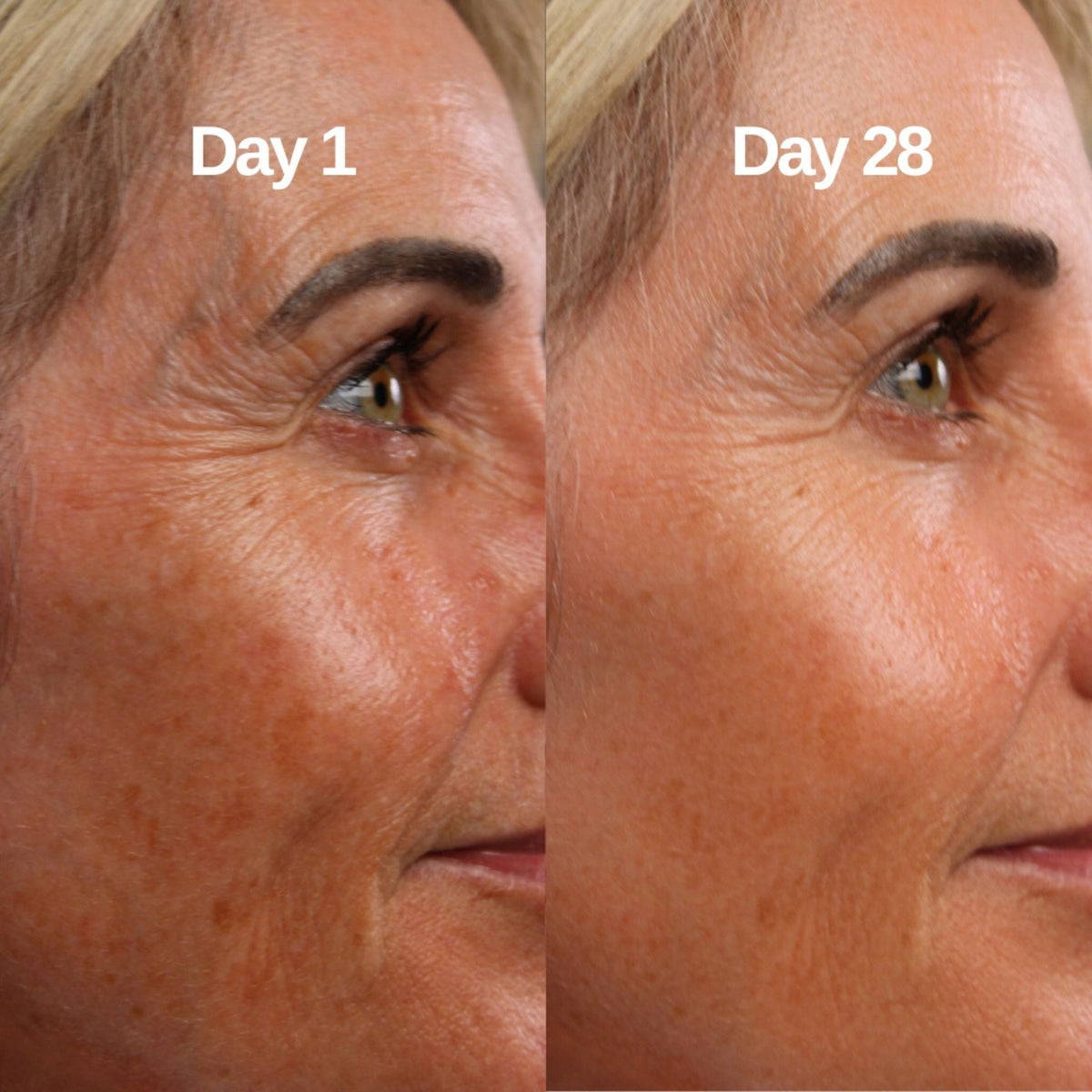
After using a hydrating collagen mask, skin may feel smoother, cooler and more comfortable. Fine lines caused by dryness can look less pronounced, and the overall complexion may have a rested, dewy finish. These are useful benefits before a dinner, event, long flight or a weekend when you simply want to feel more like yourself.
The result will vary. If your skin barrier is dry and compromised, one mask may feel wonderful but will work best as part of a consistent routine. If fine lines are deeper and linked to years of sun exposure or natural ageing, a mask can improve surface hydration but will not produce a permanent change. Honest information is kinder to skin and to your wallet.
For longer-term support, daily broad-spectrum sun protection, gentle cleansing, regular moisturising and a lifestyle that includes enough water, rest and nourishing food all matter. A collagen mask is the nourishing extra, not the only step.
How to use your mask for the best finish
Start with clean skin. Remove makeup, sunscreen and the day's buildup so the mask can sit evenly against your face. If you use a gentle hydrating toner or essence, apply it first and allow it to settle for a moment.
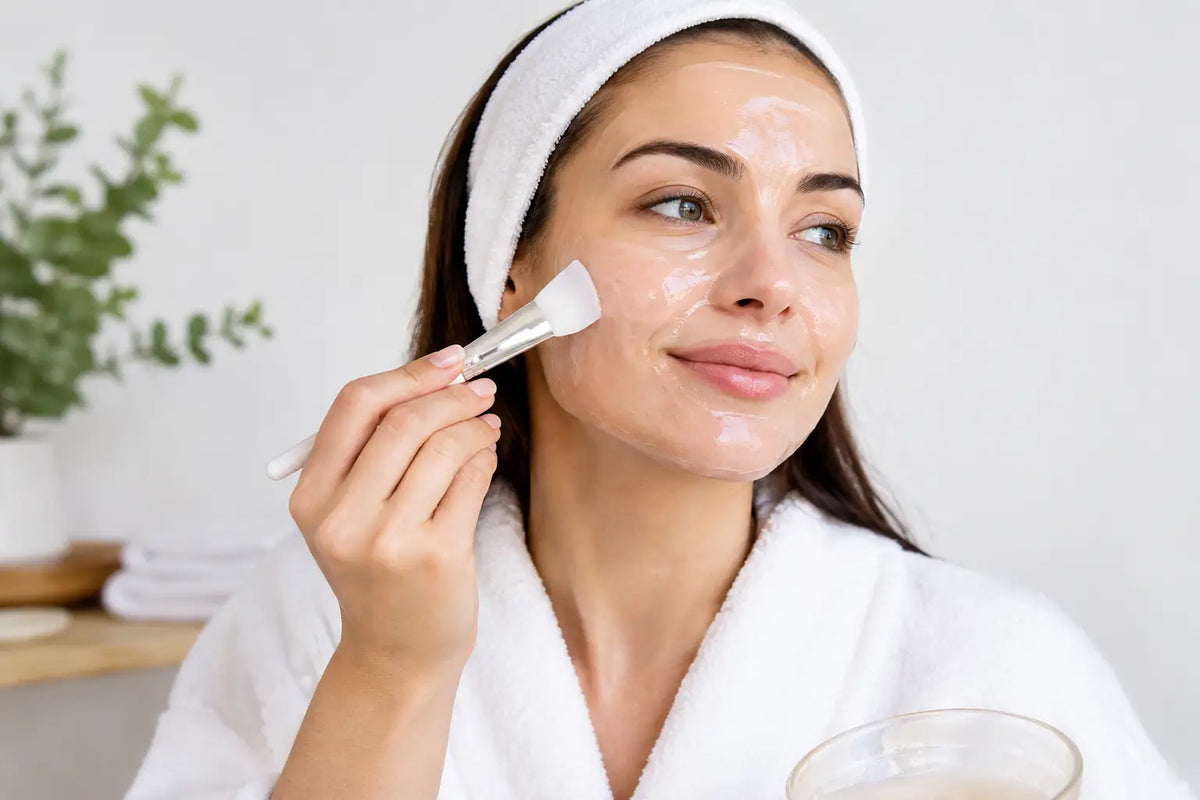
Place the mask over your face and smooth it from the centre outwards. Take care around the eyes and mouth, where skin is delicate and fine lines are often most visible. Leave it on for the time recommended on the product directions. More is not always better: allowing a sheet mask to dry out completely can make it less comfortable and may leave dry skin feeling tighter.
Once you remove the mask, press any remaining serum into your face, neck and décolletage with clean hands. Follow with a moisturiser to help hold that hydration in place. If you use your mask in the morning, finish with sunscreen. UV exposure is one of the biggest contributors to visible premature ageing, even on cloudy New Zealand days.
Using a collagen mask once or twice a week is enough for many people. You might use it more strategically before an event or after travel. If your skin is very dry, focus first on a simple daily moisturising routine and use the mask as a supportive treatment rather than relying on it every day.
Pairing a mask with a simple fine-line routine
Complicated routines are not automatically better. For many people, a gentle cleanse in the evening, a hydrating serum or facial treatment, moisturiser and daily sunscreen are a solid foundation. Add a collagen mask when your skin feels flat, dry or in need of a slower moment.
Be thoughtful when combining it with stronger active products. If you use exfoliating acids, retinoids or other intensive treatments, avoid piling everything on at once, particularly if your skin is sensitive. Use your mask on a quieter skincare night, or choose calming, hydration-focused products around it. Skin that feels stinging, hot or persistently irritated needs less experimentation, not more.
If you enjoy natural skincare, ingredient quality still matters. Fragrance can be beautiful but may not suit everyone, especially around the eyes. A shorter, clearly explained ingredient list makes it easier to choose with confidence. Patch test a new mask first if you have eczema, allergies or a history of reactions.
Small details that make the ritual feel better
Store your mask somewhere cool, away from direct sunlight. If you like a more refreshing feel, chilling it briefly in the fridge can be especially soothing on puffy mornings. Do not freeze it, and do not use a mask if the packaging is damaged or the product has changed in smell, colour or texture.
Use the time well. Put your mobile aside, rest your shoulders and let your face relax. Fine lines are not a flaw to fix, but a little dedicated care can make your skin feel beautifully looked after. At Honest Skincare, that is the appeal of a marine collagen facial ritual: practical hydration, a soft healthy-looking glow, and a pause that fits into real life.
Choose a collagen mask for fine lines when you want skin to look well hydrated and feel comforted, then let consistent, gentle daily care do the quieter work over time.