How to Use Castor Oil for Skin, Hair and Wraps
Castor oil earns its place in the bathroom cupboard because it is wonderfully simple: one rich, plant-based oil that can support a softer complexion, smoother dry patches and a slower evening ritual. If you are wondering how to use castor oil, start small. Its naturally thick texture means a little goes a long way, whether you are caring for thirsty skin, giving brows a conditioning boost or settling in with a warm castor oil wrap.
Pressed from the seeds of the Ricinus communis plant, castor oil is high in ricinoleic acid, a fatty acid that gives it its distinctive, dense feel. It is particularly useful as an occlusive moisturiser - meaning it helps hold moisture against the skin - but it is not a one-size-fits-all fix. The best way to use it depends on your skin type, your routine and the concern you are looking to support.
Choose your castor oil carefully
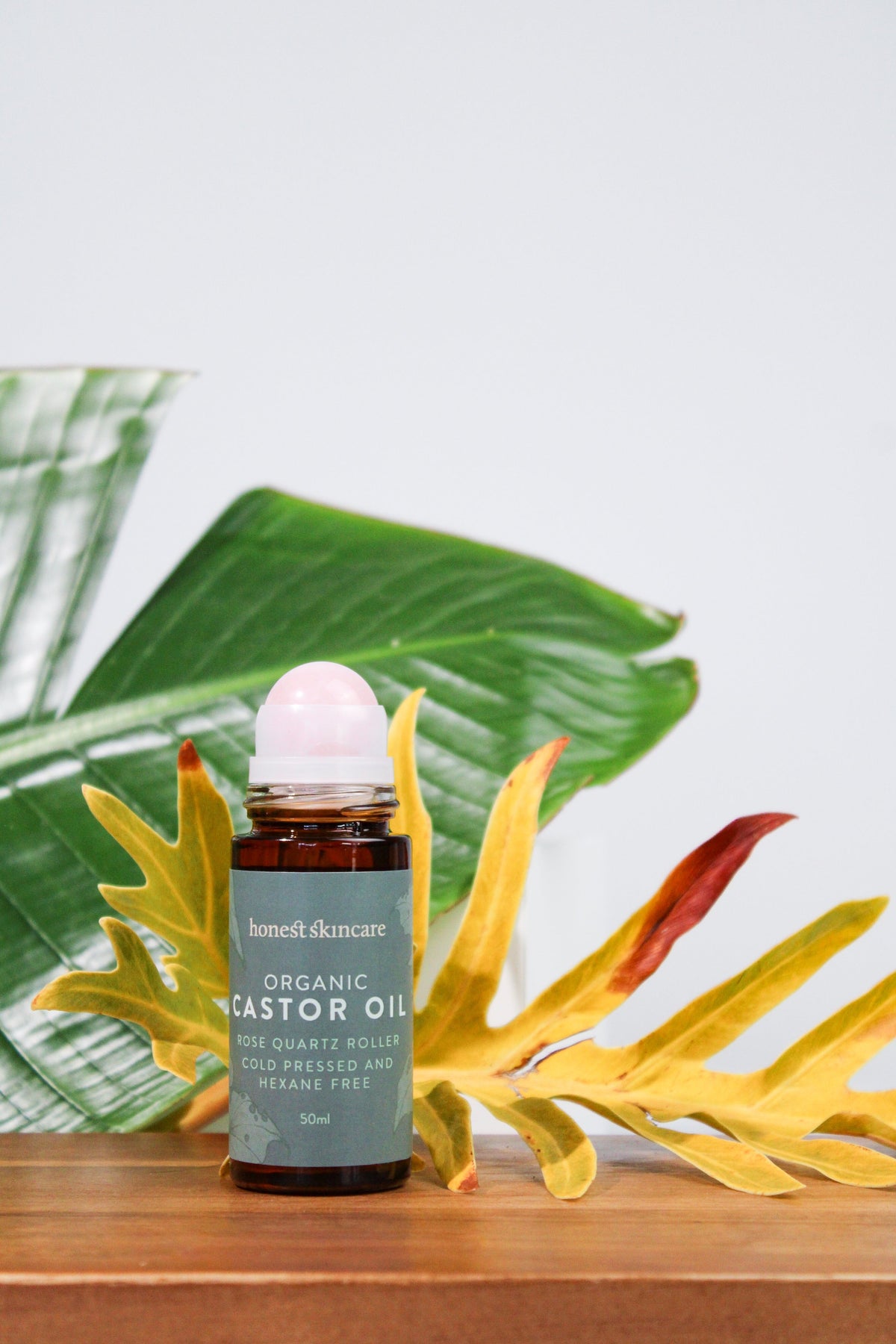
For a product that may sit on your skin for hours, quality matters. Look for pure, certified organic castor oil with no fragrance, fillers or unnecessary additives. A cold-pressed oil retains the naturally occurring compounds of the seed, while a dark glass bottle helps protect the oil from light.
Texture is another clue. Good castor oil is thick, glossy and pale yellow to nearly clear, with a mild natural scent. It should feel nourishing rather than perfumed. Store the bottle somewhere cool and dry, away from direct sunlight, and keep the cap tightly closed.
Before using any new oil generously, patch test it. Apply a small amount to the inside of your forearm or behind your ear and leave it for 24 hours. If you notice itching, redness, stinging or a rash, wash it away and do not continue. This matters especially if you have reactive skin, eczema, psoriasis or a known sensitivity to botanical ingredients.
How to use castor oil on your face
Castor oil can be a lovely addition to a dry-skin routine, particularly through autumn and winter or when indoor heating leaves your skin feeling tight. Because it is so rich, it is usually best used as the final step rather than as your only moisturiser.
After cleansing, apply your usual hydrating serum or moisturiser to slightly damp skin. Warm one small drop of castor oil between your palms, then gently press it over dry areas such as the cheeks, around the mouth or the forehead. Pressing, rather than rubbing, keeps the ritual gentle and avoids using more than you need.
If your complexion is oily or acne-prone, take a more cautious approach. Castor oil is not automatically pore-clogging for everyone, but its heavy texture can feel like too much on some skins. Try it only on dry patches first, or blend one drop with a lighter facial oil or moisturiser. Stop if your skin becomes congested or irritated.
It also makes a useful overnight treatment for dry, flaky areas. Apply a very thin layer after your night cream, then let it do its quiet work while you sleep. A little is genuinely enough - too much can transfer to your pillowcase and leave skin feeling coated rather than comfortable.
For a gentle oil cleanse
Oil cleansing can help loosen makeup, sunscreen and the day’s grime, but castor oil should not be used alone for every skin type. Its thickness can make removal difficult and may feel drying for some people when overused.
Blend a small amount with a lighter oil, such as jojoba or sweet almond oil, massage onto dry skin for up to a minute, then remove with a warm, damp face cloth. Follow with a gentle water-based cleanser if you prefer a completely clean finish. Keep the pressure light, especially around the eyes, and avoid getting oil directly into them.
Use it for brows, lashes and hair
Castor oil is popular for conditioning brows and lashes. It can make hairs look glossier and feel softer, but it is not a guaranteed growth treatment. Healthy-looking brows and lashes still depend on factors such as genetics, nutrition, age and avoiding unnecessary pulling or harsh makeup removal.
For brows, use a clean spoolie or cotton tip to apply the tiniest amount at night, brushing in the direction of hair growth. For lashes, use even less. Keep it on the lash line rather than coating the lashes heavily, and take care not to let it enter your eyes. If it causes blurry vision, irritation or puffiness, stop using it and rinse gently with clean water.
On the scalp and lengths, castor oil works best as a pre-wash treatment rather than an everyday leave-in. Its rich consistency can help dry hair feel more conditioned, especially at the ends, but it can be difficult to shampoo out if applied too heavily. Mix one part castor oil with one or two parts of a lighter oil, then massage a small amount through the scalp and hair lengths. Leave it on for 20 to 60 minutes before shampooing thoroughly.
If your scalp is flaky, sore or prone to dermatitis, avoid vigorous massage and do not assume oil will solve the cause. Persistent itch, scaling or hair loss is worth discussing with a pharmacist, doctor or dermatologist.
Use castor oil on dry hands, feet and body
This is where castor oil really shines. Rough cuticles, dry elbows, cracked-looking heels and shins that seem to drink up body lotion can all benefit from a richer finishing layer.
Apply body moisturiser first, ideally after a shower when skin is still slightly damp. Follow with a few drops of castor oil over the driest spots to help seal in that moisture. For hands, massage a small amount into cuticles before bed, then wear soft cotton gloves if you want a more intensive treatment. For feet, smooth it over heels and soles and pop on clean socks.
Castor oil is also a beautiful massage oil when blended with a lighter carrier oil. Its slip makes it suitable for slow shoulder, neck or leg massage, while the thicker texture encourages you to take your time. Avoid applying it to broken skin, fresh shaving nicks or areas with an active rash.
How to use castor oil wraps
A castor oil wrap is less about a quick skincare result and more about creating a comforting pause. Traditionally, castor oil packs are used over the abdomen or other areas that feel tense. While some people find the warmth and ritual relaxing, research on broader wellness claims is limited. Think of a wrap as a soothing self-care practice, not a replacement for medical care.
To make one, you will need a soft cotton or wool flannel, castor oil, an old towel and a warm compress or hot water bottle. Saturate the flannel lightly with oil - it should be damp, not dripping - then place it over clean, intact skin. Cover with the towel to protect clothing and bedding, then add gentle warmth over the top.
Relax for around 20 to 30 minutes. Read, listen to something calming or simply put your feet up. Afterwards, remove the wrap and wipe away any excess oil with a warm cloth. Wash the flannel between uses and replace it when it begins to smell stale or feel worn.
Do not use heat high enough to burn the skin. Avoid wraps on broken or irritated skin, and do not use an abdominal wrap during pregnancy unless your maternity care provider has advised it. Seek professional advice for ongoing pain, unusual digestive symptoms, heavy bleeding or inflammation that does not settle.
A note on taking castor oil internally
Castor oil is sometimes sold as a stimulant laxative, but this is not the same as casually adding a skincare oil to a wellness routine. Taken orally, it can cause cramping, diarrhoea, dehydration and medication interactions. It is not suitable for everyone, including pregnant people unless specifically directed by a clinician.
Do not ingest castor oil for cleansing, weight loss or regular constipation management. If constipation is persistent, painful or accompanied by other symptoms, speak with a health professional. Hydration, dietary fibre, movement and individual medical advice are safer places to begin.
Make it a ritual you will actually keep
The most effective routine is usually the one that feels easy enough to repeat. Keep your castor oil near your bedside for cuticles and dry heels, beside the shower for body care, or with a clean spoolie for brows. At Honest Skincare, we love the simplicity of an organic castor oil ritual: fewer ingredients, a little care and a few unhurried minutes that are good for your skin and good for you.
Start with one use that suits your life this week. A drop pressed into dry cheeks, a pre-wash hair treatment on a quiet Sunday, or a warm wrap before bed can turn an everyday oil into a small moment of care.