Natural Products for Acne Treatment That Keeps Skin Calm
Natural products for acne treatment can effectively calm your skin and minimize breakouts. A breakout can make even a simple face wash feel like a big decision. When skin is sore, oily in places and dry in others, natural products for acne treatment involve choosing a few gentle, well-made products and giving your skin the consistency it needs.
Acne is complex. Hormones, stress, genetics, medication, hair products, makeup, friction, and skincare can all contribute to breakouts. Natural ingredients can be a lovely addition to your routine, yet natural does not automatically mean non-irritating or suitable for every blemish-prone complexion. The goal is calmer, supported skin, not a harsh battle with it.
What natural products for acne treatment should do
A helpful acne routine starts with the skin barrier. This is your skin's protective outer layer, which helps hold water in while keeping irritants out. Over-cleansing, scrubbing, and frequent product swapping can leave that barrier stressed. Skin may become tight, sting when you apply moisturiser, or produce more oil in response to dryness.
Look for products that cleanse without leaving your face squeaky-clean, add lightweight hydration, and avoid ingredients you already know cause congestion or irritation. The right routine may not instantly make your spots disappear, but it can reduce the cycle of dryness, inflammation, and over-treatment that often perpetuates breakouts.
This is particularly important for adult acne. Many people in their late twenties, thirties, and beyond have skin that is both breakout-prone and dehydrated. Treating it like teenage oily skin can result in rough, reactive, and uncomfortable skin.
Start with a pared-back routine
For two to three weeks, maintain a simple skincare routine. Gently cleanse in the evening to remove sunscreen, makeup, and the day’s build-up. In the morning, rinsing with lukewarm water may suffice for some skin types, or use a mild cleanser if you wake very oily.
Follow with a light, fragrance-free moisturiser or facial product that suits your skin. Hydration is not the enemy of acne; in fact, well-moisturised skin often tolerates targeted treatments better. During the day, apply a broad-spectrum sunscreen that feels comfortable enough for daily use. Sun exposure can deepen the appearance of post-breakout marks, and skipping SPF will prolong the recovery process.
If you wear makeup, clean your brushes regularly and remove it before bed. It's also wise to keep hair oils, styling products, and heavy conditioners away from the hairline, cheeks, and jaw. These small changes can make a difference when breakouts cluster around the forehead or sides of the face.
Introduce one new product at a time
Natural products for acne treatment should be introduced one at a time. A beautiful botanical blend may contain several active plant ingredients. This might be beneficial for those with dry or dull skin, but if you're managing acne, adding multiple new products at once complicates knowing what works.
Introduce one product, use it for at least a week or two, and monitor your skin’s response. A slight adjustment period may happen with some active ingredients, but persistent discomfort or irritation is a sign to stop. Patch testing on a small area is a good practice, particularly for sensitive skin types.
Ingredients to approach with care
Some ingredients are well-suited to a calming routine when used thoughtfully. However, caution is needed with others. Essential oils can be uplifting but may also irritate certain skin types if not diluted appropriately. For instance, tea tree oil, often used for blemish care, can be drying when overused or applied undiluted. Citrus oils and strongly fragranced blends can also be problematic for sensitive skin.
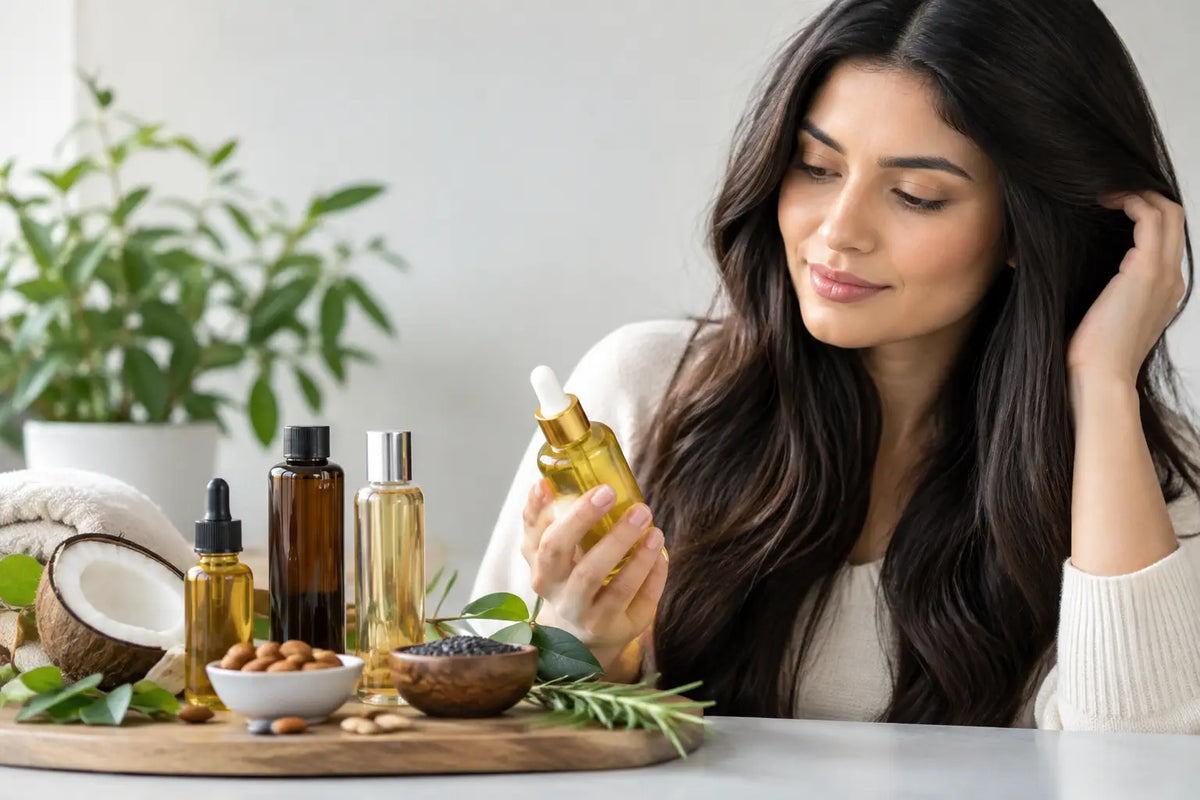
Rich plant oils can soften dryness, but their suitability varies based on skin type and location of breakouts. A heavier oil may feel comfortable on dry cheeks but can be too rich for an oily T-zone. If you wish to use an oil, start with a few drops over moisturiser at night a few times a week.
Certified organic castor oil is versatile for body rituals but may not be ideal for acne as its thickness can be too occlusive. Use it on a small patch of dry skin or within a gentle cleansing ritual, rinsing thoroughly afterward. If congestion arises, discontinue use. Maintaining realistic expectations is vital for effective skincare.
Kawakawa, a respected botanical used in traditional New Zealand skincare, can be soothing, but its application should be considered carefully on breaking-out skin. Assess how your skin reacts to different formulations based on the area treated.
Focus on habits that lower irritation
Avoid touching or picking at spots; it can worsen inflammation and spread bacteria. Use a cool compress for tender blemishes, and change pillowcases frequently. If you use hair products, ensure not to let them touch your skin during sleep.
Stress and poor sleep may not be direct causes of acne, but they can exacerbate inflammation. Establishing a calming routine—such as warm showers, magnesium body care, or quiet stretches—can support skin health alongside a skincare regimen.
When natural care needs clinical support
If you are experiencing severe acne or feel that your confidence is affected, consult a dermatologist or healthcare provider. Natural skincare can complement clinical treatments aimed at acne control, emphasising gentle cleansing, moisturising, and sun protection.
Your skin does not need to be perfect to appear healthy. Opt for natural products for acne treatment that feel good and support a simple, effective routine.