Magnesium Sleep: Can a Night Ritual Help?
A restless night rarely has one simple cause. It may follow a late work email, a busy household, tense muscles after exercise, or the familiar habit of scrolling long past bedtime. Magnesium sleep routines appeal because they create a small, sensory signal that the day is done: warm water, slow breathing and a gentle body-care ritual before bed.
Magnesium is a mineral involved in hundreds of processes in the body, including normal muscle and nervous system function. That does not make it a quick fix for insomnia, but it can be a thoughtful addition to a wind-down routine, especially when stress, physical tension or inconsistent evenings are getting in the way of rest.
What magnesium sleep really means
When people search for magnesium sleep support, they are usually looking for one of two things: a magnesium supplement or a topical product such as magnesium oil, spray, lotion or bath flakes. Both are used with the same hope of feeling more relaxed at night, but they work differently and the evidence is not identical.
Oral magnesium contributes to your overall dietary magnesium intake. If a person is not getting enough magnesium from food, correcting that shortfall may support normal body function. Research into magnesium and sleep is promising but mixed, and results can vary with age, health conditions, stress levels and the type and dose used.
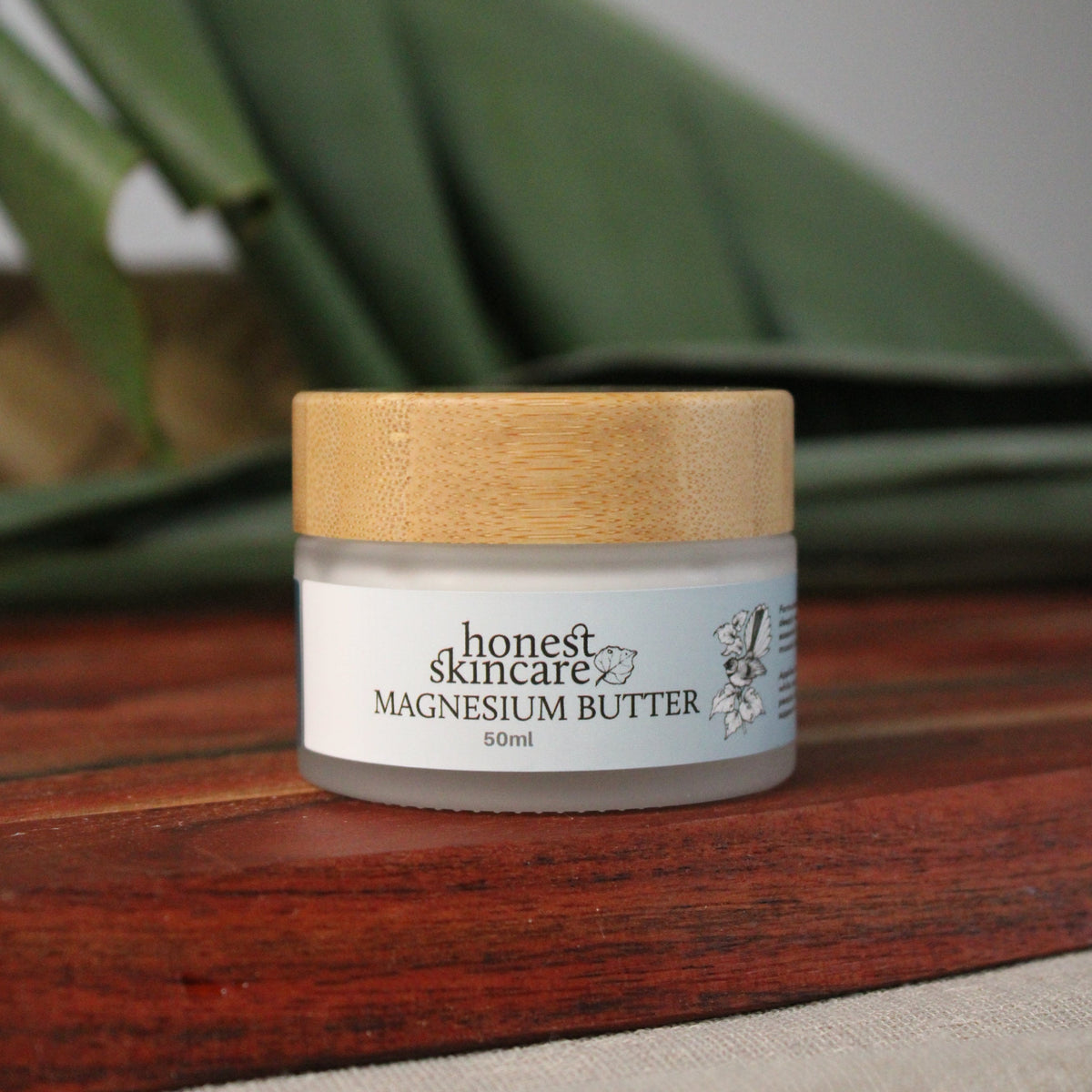
Topical magnesium is best approached as body care first. Many people enjoy applying it to tired legs, shoulders or feet as part of a quiet evening ritual. The skin absorption evidence is still limited, so it is wise not to treat a spray or lotion as a guaranteed way to correct a dietary deficiency. Its practical value may be in the experience: a few minutes to pause, massage tense areas and move towards sleep with more intention.
Why a bedtime ritual can make a difference
The brain responds well to repetition. When you repeat the same calming cues each evening, such as dim lighting, a shower and moisturising your body, you create a boundary between daytime demands and rest. Magnesium body care can fit naturally into that transition because it is simple, tactile and easy to keep by the bedside.
Try applying a magnesium product after a shower, when your skin is clean and your bathroom is warm. Massage it into calves, feet, shoulders or the back of the neck, depending on where you tend to hold tension. There is no need to turn this into another complicated wellness task. A minute or two, followed by comfortable pyjamas and a quieter room, is enough.
For some people, magnesium sprays can tingle or feel itchy on first use. This does not necessarily mean the product is harmful, but it is a sign to listen to your skin. Start with a small amount, avoid freshly shaved or broken skin, and rinse off if irritation persists. A magnesium lotion may feel more comfortable for dry or sensitive skin because it combines the ritual with moisturising care.
Food comes before a complicated supplement shelf
Magnesium is naturally present in many everyday foods. Leafy greens, legumes, nuts, seeds, wholegrains, avocado and dark chocolate all contribute to intake. A balanced evening meal will not sedate you, but regular nourishment supports the foundations of wellbeing far better than chasing a single miracle ingredient.
A simple dinner might include salmon or tofu with brown rice and leafy greens, then yoghurt with berries and pumpkin seeds if you need something later. The goal is not perfection. It is to give your body enough consistent nourishment during the day so bedtime is not spent feeling overly hungry, wired or uncomfortable.
If you are considering an oral supplement, think beyond the label’s headline. Different magnesium forms are used for different purposes, and some are more likely to upset the stomach or loosen bowel motions. Magnesium can also interact with certain medicines, including some antibiotics and treatments for osteoporosis. A pharmacist, GP or qualified health professional can help you choose safely, particularly if you are pregnant, have kidney concerns or take regular medication.
A practical magnesium sleep routine
A good routine should feel supportive, not strict. Start 30 to 60 minutes before the time you would like to be asleep. Put your mobile on charge outside the bedroom if possible, or switch it to a setting that removes notifications. Lower the lights and do one ordinary task that tells your mind tomorrow is prepared for, such as packing lunches or laying out clothes.
Then make the magnesium step enjoyable. Use a warm shower or bath, or simply apply a topical magnesium product with slow, unhurried strokes. Pair it with a few gentle stretches, especially for calves, hips, hands and shoulders. Keep the room comfortably cool and choose bedding that does not leave you overheated during the night.
The key is consistency rather than intensity. One night of magnesium body care will not undo weeks of poor sleep, but a familiar routine practised most evenings can become a reliable cue for rest. At Honest Skincare, we see body care as a practical way to make space for yourself, rather than another standard you have to meet.
What magnesium cannot solve on its own
Sleep disruption can be linked to caffeine, alcohol, shift work, anxiety, pain, hormonal changes, snoring, reflux or a sleep environment that is too light, noisy or warm. Magnesium may sit alongside healthier sleep habits, but it cannot replace the need to address the underlying cause.
Caffeine deserves an honest look. A mid-afternoon coffee can still affect sensitive sleepers at night, even if it feels like part of a normal routine. Alcohol may make you drowsy initially, yet it often fragments sleep later. If you wake at 3 am feeling alert, thirsty or unsettled, adjusting these habits may have more impact than adding another product to your bathroom shelf.
It is also worth paying attention to the pattern. Occasional restless nights happen to everyone. But if you regularly struggle to fall asleep, wake gasping or snoring loudly, feel exhausted despite enough time in bed, or rely on sleep aids most nights, speak with your GP. Persistent sleep problems deserve proper support, not self-blame.
Choosing a magnesium product for your evening
Choose based on how you genuinely like to use body care. A spray is quick and convenient for feet or legs after a shower. A lotion suits anyone who wants more slip for massage and extra hydration. Bath flakes can turn a soak into a slower ritual, although they are less practical on busy nights.
Check the full ingredient list, especially if your skin reacts easily to fragrance or essential oils. Look for clear directions, use only as instructed and patch test a new product on a small area first. Natural ingredients can still cause sensitivity, so gentle use matters.
Magnesium sleep support works best when it gives you a calmer, more caring end to the day. Keep the ritual small enough to repeat, let it feel good on your skin, and allow the rest of your evening to become a little quieter around it.