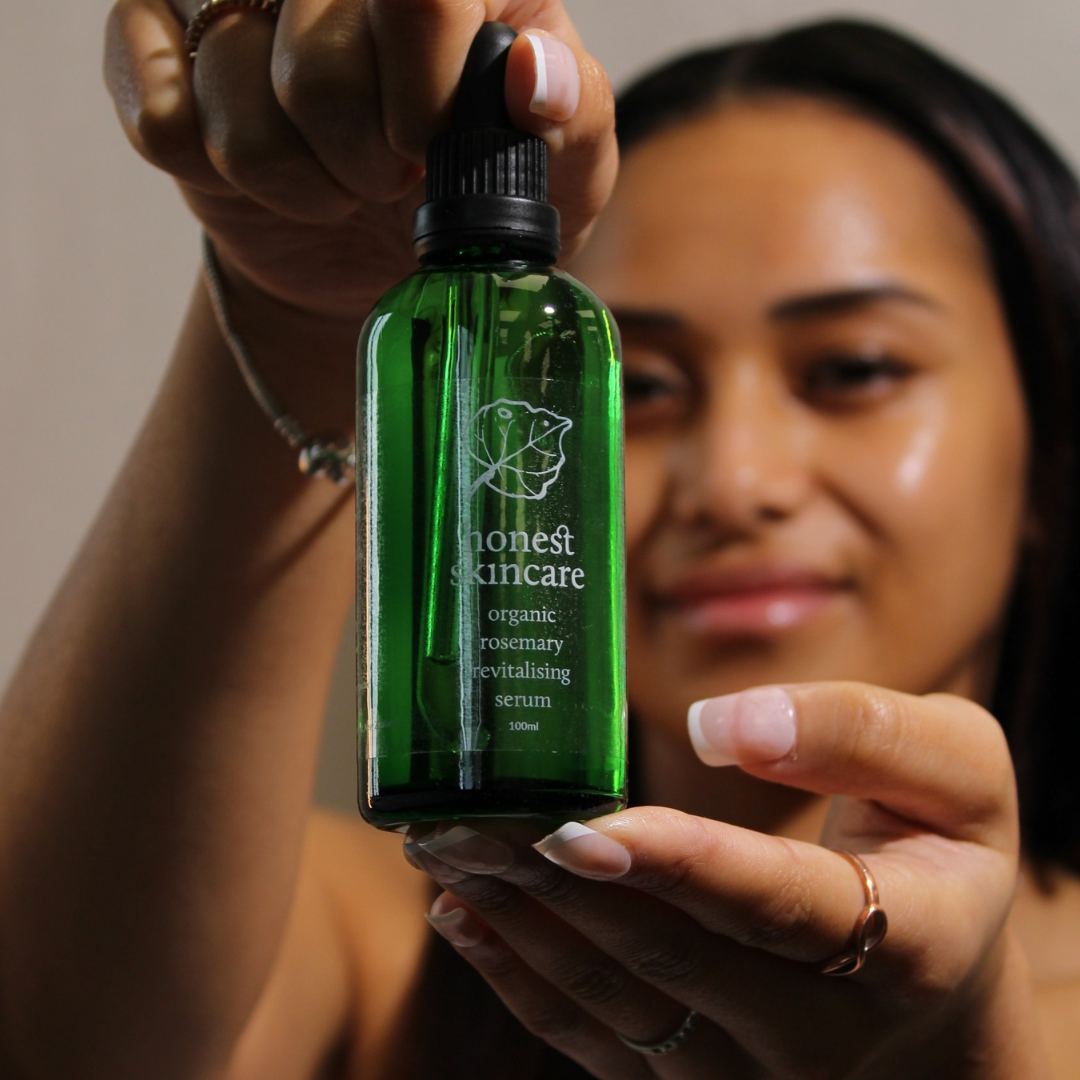
Article: How to Read Skincare Labels Without Guesswork
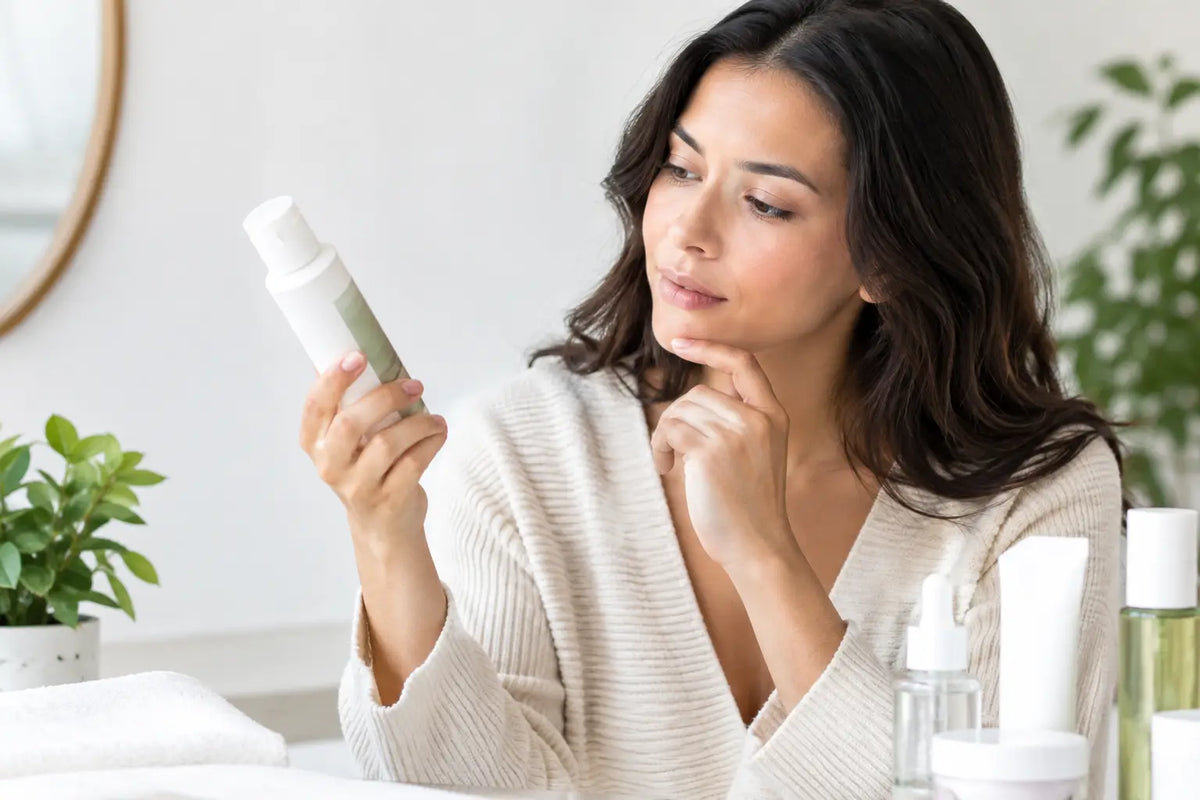
How to Read Skincare Labels Without Guesswork
A face cream can fit in the palm of your hand, yet its label can feel like another language. Learning how to read skincare labels gives you a clearer way to choose what belongs in your daily ritual - whether you are looking for a nourishing oil, a calming kawakawa balm, magnesium body care or a glow-boosting facial treatment.
You do not need to memorise every botanical name or avoid every ingredient you cannot pronounce. The goal is simpler: understand what the product is designed to do, what makes up most of the formula, and whether it suits your skin, values and routine.
How to read skincare labels from front to back
Start with the front label, but do not stop there. This is where brands share the product's purpose: hydrating, exfoliating, soothing, cleansing or supporting the skin barrier. It is also where you may see claims such as natural, organic, fragrance-free, vegan or suitable for sensitive skin.
These words can be useful signposts, but they are not the full story. “Natural” does not automatically mean gentle, and “chemical-free” is not a meaningful skincare promise - everything, including water and plant extracts, is made of chemicals. Instead, turn the bottle around and read the ingredients list alongside the product claims.
Also check the practical details. A jar symbol with a number and an M, such as 6M or 12M, indicates how many months the product is generally best used after opening. Look for the batch number, directions and warnings too. A beautifully made facial oil still needs sensible use, particularly around the eyes or on irritated skin.
Ingredient order tells a useful story
Skincare ingredients are generally listed from the highest amount to the lowest. This is one of the most helpful things to know when reading a label. If a product is described as a kawakawa moisturiser, for example, it is reasonable to look for kawakawa among the earlier ingredients rather than right at the end.
There is one important detail: ingredients used at very low levels, generally one per cent or less, may appear in any order after the higher-concentration ingredients. That means the bottom of a list is less precise than the top. A potent active can still be effective in a small amount, while a botanical extract appearing late may be there for colour, scent or a supporting benefit.
For a simple oil, the list should be reassuringly short. Pure certified organic castor oil, for instance, should contain one ingredient: Ricinus Communis Seed Oil. The Latin name may look technical, but it is simply the standard ingredient name used on cosmetic labels. Shorter is not always better for every product, but it can make a straightforward product easier to understand.
Water, often shown as aqua, is commonly first in lotions, gels, cleansers and serums. That is normal. In a well-made moisturiser, water is paired with humectants that draw in hydration, emollients that soften, and occlusives that help reduce moisture loss. You do not need every one of these in every routine. Dry skin may enjoy richer textures, while oily or congestion-prone skin may prefer a lighter lotion or gel.
Learn the families, not every single name
Rather than searching every ingredient one by one, look for ingredient families and ask what role they play. Humectants, such as glycerin and hyaluronic acid, help the skin hold water. Plant oils and butters, including jojoba, sunflower, shea and castor oil, can soften and support dry-feeling skin. Ceramides, squalane and fatty acids are often chosen for barrier-focused care.
Then there are active ingredients. Niacinamide is commonly used in formulas aimed at uneven-looking tone, oil balance and barrier support. AHAs and BHAs exfoliate, while retinoids are used in age-supporting routines. Vitamin C products are often selected for brightness and antioxidant support. Each has its place, but more actives do not always mean better results.
If your skin is reactive, introducing several strong products at once can make it difficult to work out what is helping and what is causing discomfort. Choose one new active at a time, begin slowly and follow the directions. If you have a diagnosed skin condition or persistent irritation, your pharmacist, GP or dermatologist can help you choose a suitable approach.
Be thoughtful about fragrance and essential oils
Fragrance is often listed as fragrance, parfum, aroma or a similar term. It can make a body oil or bath ritual feel lovely, but it is also a common trigger for people with easily irritated skin, eczema-prone skin or fragrance sensitivities.
Essential oils are naturally derived, but natural does not mean risk-free. Citrus, peppermint, eucalyptus, lavender and other aromatic oils can be wonderful in the right product and at an appropriate level, especially for body care and wind-down rituals. On a sensitised face, however, a simpler formula may be the better choice.
Some fragrance components must be declared individually when present above certain levels. You may see names such as limonene, linalool, citral or geraniol. Their appearance is not an automatic reason to reject a product. Consider where you are using it, how your skin responds and whether the formula is leave-on or rinse-off. A scented body wash may be perfectly comfortable for you, while a fragranced facial serum may not be.
Look beyond the marketing claim
Organic certification matters to many shoppers because it provides an additional level of assurance around how ingredients are grown and processed. But labels vary. A product can contain one organic ingredient without being entirely organic, and a natural product may not be certified organic at all.
Read the wording carefully. Does the label say “made with organic ingredients”, “contains certified organic oil”, or “certified organic”? These are different claims. A transparent brand should make it easy to understand which ingredients are organic and what standard sits behind the claim.
The same careful approach applies to “hypoallergenic”, “dermatologically tested”, “clean” and “free from” language. These terms may be helpful, but they do not replace the ingredient list or your own experience. A product free from synthetic fragrance can still contain fragrant essential oils. A preservative-free water-based product may raise a different question: how is it kept safe and stable during use?
Preservatives are not automatically harsh or unwanted. In products containing water, they help prevent mould, yeast and bacteria from growing after the product is opened. The right formula balances pleasant texture, product stability and skin comfort.
Match the label to your actual skin need
A label becomes most useful when you read it with a specific concern in mind. If your skin feels tight and flaky, seek moisture-supporting ingredients and avoid overdoing exfoliating acids. If you want a richer evening ritual, an uncomplicated plant oil can help seal in moisture over a water-based moisturiser. If your concern is body tension or sleep, ingredients are only part of the decision - texture, scent and how easily you will use the product matter too.
For facial products, consider whether the formula is designed to stay on the skin or be rinsed away. Cleansers have limited contact time, so a gentle cleansing base may matter more than a long list of hero extracts. A leave-on serum or mask is where active ingredients and potential sensitivities deserve closer attention.
Do a patch test when trying something unfamiliar, especially if you have sensitive skin or known allergies. Apply a small amount to a discreet area as directed, then wait and observe. Patch testing cannot predict every reaction, but it is a sensible pause before applying a new product across your face or body.
Keep a label-led routine simple
The most useful routine is one you will enjoy using consistently. You do not need a shelf full of products to care for your skin well. A gentle cleanser, a moisturiser that suits your skin, daily sun protection and one or two targeted products can be plenty.
At Honest Skincare, we believe ingredient-conscious self-care should feel practical, not overwhelming. Whether you are drawn to hand-made New Zealand botanicals or modern collagen-focused treatments, choose products with clear ingredients, clear directions and a purpose that makes sense for you.
The next time you pick up a new product, give the back label a moment of your attention. A few calm questions - what is this for, what is it mostly made of, and will my skin enjoy it? - can turn a confusing list into a more confident daily choice.