Article: Castor Packs Versus Heating Pads: Which Helps?
Castor Packs Versus Heating Pads: Which Helps?
A warm pack across your middle after a long day can feel like a small reset. But when choosing castor packs versus heating pads, the better option depends on what you want from the ritual: simple, direct warmth for short-term comfort, or a slower, oil-based moment of care that encourages you to properly pause.
Both have a place in a natural self-care routine. Neither needs to be complicated, and neither is a replacement for medical advice when pain is severe, new or persistent. The most useful choice is usually the one that feels comfortable, fits your evening, and is used safely.
Castor Packs Versus Heating Pads: The Main Difference
A heating pad provides external warmth. It is designed to warm a local area such as your lower back, shoulders, abdomen or legs. Heat can relax tight-feeling muscles, ease temporary aches and help your body settle before bed. It is practical, quick and especially handy when you want comfort without preparation or clean-up.
A castor pack, sometimes called a castor oil wrap, is a reusable fabric wrap used with castor oil. You apply a small amount of oil to the pack or skin, secure it over the chosen area and leave it in place while you rest. The experience is less about strong heat and more about creating a nourishing, unhurried ritual. Many people enjoy castor packs over the abdomen, lower back or joints as part of their wind-down routine.
The key distinction is simple: a heating pad is primarily a heat tool, while a castor pack combines gentle pressure, rest and topical oil. Some people choose to add gentle warmth over a castor pack, but it is not essential to the ritual.
When a Heating Pad May Be the Better Choice
If you have come home with a tight neck after hours at a desk, sore calves after a walk, or temporary period cramps that call for fast comfort, a heating pad is often the most straightforward answer. It is ready within minutes and does not involve oil, fabric washing or changing into older clothes.
Heat works best when it is gentle and time-limited. A warm, rather than hot, setting can be comforting without stressing the skin. Try using it for 15 to 20 minutes, with a layer of clothing or a towel between the pad and your body if it feels intense. A heating pad can also make a lovely part of a bedtime routine when used while reading, stretching lightly or listening to something calming.
There are trade-offs. Heating pads need power or charging, and they are not a good choice for falling asleep with. Prolonged or overly high heat can cause irritation, burns or mottled skin. If you have reduced sensation in an area, diabetes-related nerve changes, poor circulation or are unsure whether heat is suitable for you, check with a health professional first.
When a Castor Pack May Suit Your Ritual
A castor pack is ideal for the person who wants their self-care to feel more tactile and intentional. It asks you to slow down: pour the oil, position the soft wrap, lie back and give yourself half an hour away from the to-do list. That pause is part of its appeal.
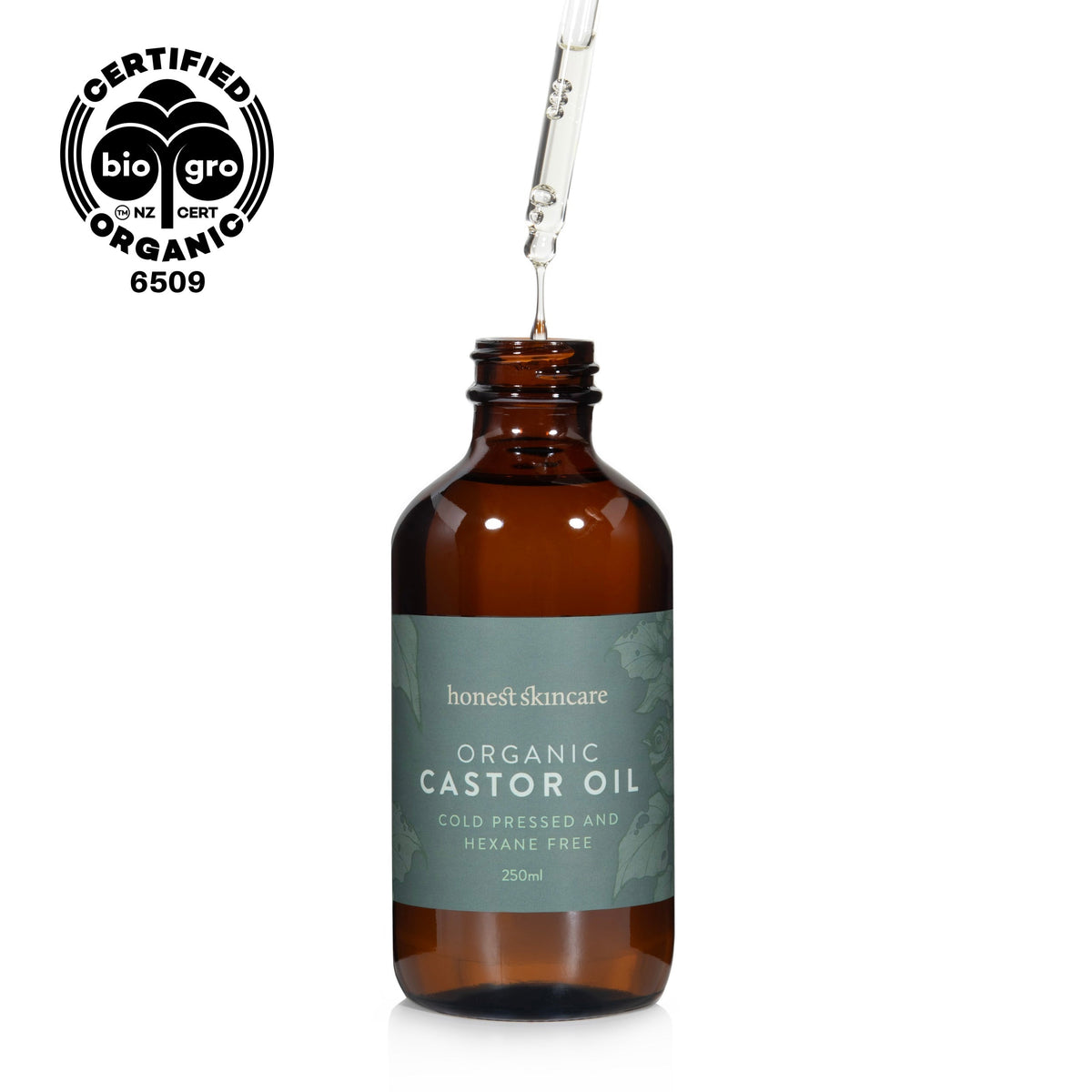
Choose a quality, cold-pressed organic castor oil and a washable wrap made for the purpose. You do not need to saturate it. A small amount of oil goes a long way, and using too much can lead to seepage onto clothing or bedding. Place the pack where you would like support, such as the lower abdomen or lower back, and relax for around 20 to 45 minutes.
Castor oil is naturally thick and richly conditioning, so it can leave skin feeling soft after use. However, a castor pack is not a proven treatment for conditions such as endometriosis, arthritis, digestive disorders or skin disease. Think of it as a comforting wellness practice, rather than a cure. If you are managing ongoing symptoms, keep your GP or qualified practitioner involved in your care.
For many people, castor packs are particularly enjoyable on quiet evenings, during a monthly cycle, or whenever their body feels like it needs a little extra kindness. The ritual is portable too. There are no cords, switches or charging cables, which can make it easier to take away for a weekend or use wherever you can lie down comfortably.
Can You Use a Heating Pad With a Castor Pack?
You can, but gentle is the word to remember. If you enjoy warmth with your castor pack, use a low setting and place the heating pad over the wrap rather than directly against oiled skin. Keep an eye on how your skin feels and limit the session. Never use high heat, never use a damaged electric pad, and do not sleep with it on.
Some people prefer a warm wheat bag over their wrap, while others find the wrap alone is enough. There is no prize for making the pack hotter. A comfortable, low-fuss ritual you will repeat is more valuable than an intense session that leaves your skin unhappy.
Choosing Based on Your Needs
For quick, clean warmth after exercise, while working from home or when cramps arrive unexpectedly, choose a heating pad. It is the convenient option and can offer immediate physical comfort.
For an evening ritual that feels more nourishing and screen-free, a castor pack may be the better fit. It gives you a reason to lie down, breathe more slowly and tend to your body with care. If you love natural ingredients and prefer products that earn a regular place in your bathroom cupboard, an organic castor oil and reusable wrap can become a simple weekly staple.
You do not necessarily have to choose one forever. A heating pad may live in the linen cupboard for sore-muscle days, while a castor pack comes out on slower nights. Your needs can change through the month, with the seasons, and according to how much time you have.
A Simple, Skin-Conscious Castor Pack Routine
Before your first full session, patch test the oil on a small area of skin and wait 24 hours. Although castor oil suits many people, any botanical oil can cause irritation in some people. Do not apply it to broken, infected or irritated skin.
When you are ready, use a teaspoon or two of oil rather than pouring freely. Position your pack, wear a comfortable old T-shirt if you are worried about transfer, and settle somewhere you can rest. Keep a small towel underneath the area if you are using the pack on the sofa or in bed.
Afterwards, remove the wrap and gently wipe away excess oil with a warm, damp cloth. Store the pack in a clean container or bag between uses, following its care instructions. Wash it regularly and replace it when it no longer feels fresh or absorbent.
Avoid castor packs during pregnancy unless your lead maternity carer or health professional says they are appropriate. The same caution applies if you have recently had surgery, have an unexplained abdominal concern, or are experiencing heavy pain, fever, swelling or unusual symptoms.
Safety Matters More Than Intensity
Whether you choose warmth, castor oil or both, comfort should never mean pushing through warning signs. Stop if you notice burning, itching, rash, increased pain, dizziness or discomfort. Heat should feel soothing, not fierce, and oils should feel pleasant on your skin, not stingy or irritating.
A little preparation makes the ritual easier to enjoy. Keep your heating pad clean and inspect its cord and cover. With castor oil, use an older towel and avoid delicate fabrics, as the rich oil can stain. Wash your hands after handling it, particularly before touching your eyes.
The best self-care rituals are not the most elaborate. They are the ones you can return to when your shoulders are up around your ears, your abdomen feels tender, or you simply need twenty quiet minutes that belong to you.