Article: Castor Oil Skin Benefits: Is Castor Oil Comedogenic?
Castor Oil Skin Benefits: Is Castor Oil Comedogenic?
Castor oil has a wonderfully rich, cushiony feel on the skin, which is exactly why the question “is castor oil comedogenic?” comes up so often when looking at castor oil skin benefits. If you are prone to clogged pores or breakouts, a thick oil can feel like a risky choice. The honest answer is that castor oil may be lovely for some complexions and not the right fit for others - especially when it is used too generously or layered over products that do not suit your skin.
Rather than treating any single ingredient as universally good or bad, it helps to look at your skin type, the way you apply it, and what else is in your routine. A small amount of quality organic castor oil can be a comforting addition to a simple ritual. It just needs a thoughtful approach.
Is castor oil comedogenic?
Castor oil is commonly described as low on the comedogenic scale, often given a rating of 1 out of 5. That suggests it has a relatively low likelihood of blocking pores. But a comedogenic rating is not a guarantee that an oil will never cause congestion. These ratings are based on limited testing and do not account for the wonderfully varied reality of human skin.
Castor oil is naturally thick and viscous, with a distinctive glossy texture. It is rich in ricinoleic acid, a fatty acid that gives the oil much of its character. On dry or moisture-depleted skin, that texture can help reduce the feeling of tightness by creating a protective layer that slows moisture loss. For someone with oily, congested or acne-prone skin, however, using a heavy layer may feel uncomfortable and can contribute to a build-up when cleansing is not thorough.
Breakouts are rarely caused by one product alone. Hormonal changes, stress, climate, makeup, sunscreen, hair products, cleansing habits and your natural oil production all play a part. If your skin becomes bumpy after using castor oil, it does not necessarily mean the oil is inherently comedogenic. It may mean the amount, frequency or combination of products needs adjusting.
Why castor oil works beautifully for some skin types
Dry skin often needs two things: water and a way to hold on to it. Castor oil is an oil, not a hydrator, so it does not add water to the skin on its own. What it can do is seal in hydration when applied over slightly damp skin, a gentle hydrating mist, or a water-based serum.
Its dense consistency also makes it particularly suited to targeted rituals rather than all-over facial application. A tiny amount pressed into dry patches, the lips, cuticles, brows or the ends of hair can feel nourishing without overwhelming the rest of your face. This is one reason castor oil has remained a favourite in simple beauty routines for generations.
Castor oil skin benefits for mature or dehydrated skin may also enjoy the comfort of an oil layer, particularly during colder, windier months when the skin barrier feels under pressure. The goal is not to make your face feel coated. It is to leave it soft, calm and comfortable.
When acne-prone or oily skin should be cautious
If you experience frequent whiteheads, blackheads or inflamed breakouts, keep your castor oil trial very small. A low comedogenic rating does not mean it is automatically suitable for every acne-prone complexion. Skin that produces plenty of oil can still be dehydrated, but it may respond better to lighter textures and carefully chosen barrier-supporting products.
There is also a practical issue: castor oil can be harder to remove than lighter facial oils. Leaving traces behind, especially around the hairline, jaw or sides of the nose, may add to congestion for some people. This does not make it a bad ingredient. It simply means your evening cleanse matters.
Avoid applying castor oil over active, sore breakouts in the hope that it will fix them overnight. Acne can have many causes and persistent or painful breakouts are best discussed with a qualified health professional. Keep your skincare routine calm and consistent while you work out what your skin tolerates.
How to use castor oil without overdoing it
The best castor oil routine is usually the smallest one. Start with clean skin and use only one or two drops, warmed between your fingertips. Press it onto a dry area or over a hydrating product rather than rubbing vigorously. If your face already feels oily, skip it that night.
For a first trial, use it two or three evenings a week instead of every day. Give your skin time to respond. Immediate softness is nice, but the more useful sign is how your skin looks and feels several days later. Is it comfortable? Are there new tiny bumps? Does your skin feel balanced by morning?
A patch test is worthwhile, particularly if your skin is reactive. Apply a small amount to the inner arm or along the jawline and leave it for a day or two. Watch for itching, redness, stinging or a rash. While castor oil is simple and natural, natural ingredients can still cause sensitivity in some people.
For facial use, choose pure, high-quality organic castor oil with no added fragrance or unnecessary fillers. A short ingredient list makes it easier to understand what your skin is responding to. At Honest Skincare, we favour uncomplicated rituals because they make it easier to notice what truly works for your skin.
The difference between congestion and purging
When a new product coincides with breakouts, it is tempting to call it purging. In most cases, though, an oil is not causing a true purge. Purging is generally associated with active ingredients that speed up skin cell turnover, such as retinoids or exfoliating acids. Castor oil does not work that way.
If you develop new blocked pores or pimples after introducing castor oil, particularly in places where you do not usually break out, consider it a sign that the routine may not suit you. Stop using it for a week or two and keep the rest of your routine simple. Once your skin settles, you can decide whether to try a smaller amount, use it only on dry areas, or leave it out altogether.
This is not a failure. Good skincare is less about forcing a trendy ingredient to work and more about noticing what your own skin is telling you.
Castor oil and double cleansing
Some people enjoy using oil as the first step in an evening cleanse to loosen makeup, sunscreen and the day’s grime. Castor oil can be included in this kind of ritual, but its thickness means it is often more comfortable when blended with a lighter oil rather than used alone across the whole face.
If you try an oil cleanse, follow it with a gentle water-based cleanser. This second cleanse removes the remaining oil, sunscreen and impurities without leaving your face squeaky or stripped. Be especially mindful if you wear long-wear makeup or apply sunscreen daily, as incomplete removal can leave skin looking dull or congested.
Those with very dry skin may prefer to use castor oil as a final moisture-sealing step instead. There is no single correct method. The best choice is the one that leaves your skin clean, comfortable and free from the lingering heaviness that can make you want to scrub.
What to pair with castor oil
Castor oil tends to work best in a pared-back routine. Pairing it with a gentle cleanser and a hydrating step is often enough. If you use active treatments for acne, pigmentation or texture, introduce castor oil separately so you can tell what is helping and what is not.
Be cautious with rich balms, heavy foundations and multiple oils in the same routine if you are prone to congestion. Several individually suitable products can become too much when layered together. Your skin does not need a complicated routine to feel cared for.
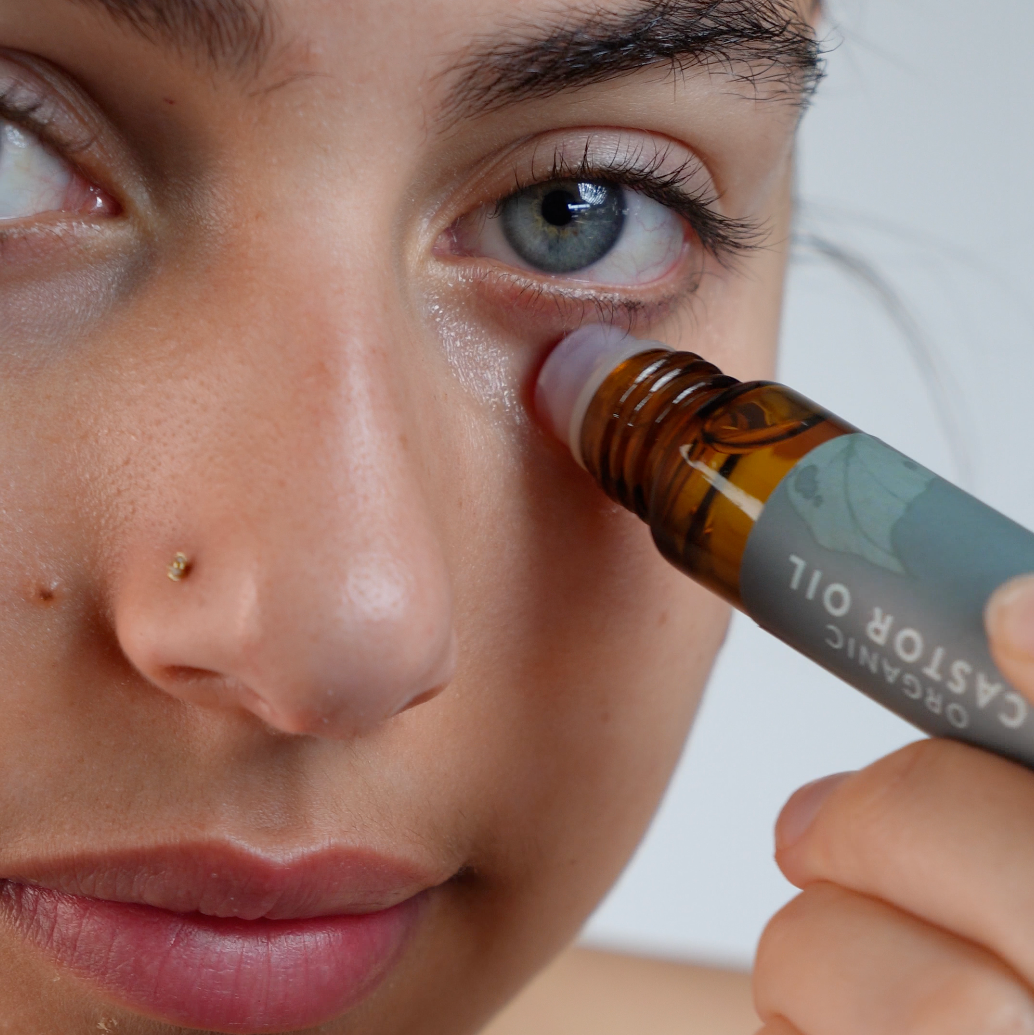
The same principle applies to the eye area. A trace amount can soften dry-looking skin around the brows or outer eye area, but keep it out of your eyes and avoid piling on product before bed. Rich oils can travel as you sleep, particularly in a warm room.
A gentler way to decide
So, is castor oil comedogenic? It is generally considered low risk for pore clogging, but its rich texture means it will not suit every complexion in every season. Dry skin may welcome its protective feel, while oily or acne-prone skin may prefer it as an occasional targeted treatment, if at all.
Start with less than you think you need, give your skin a little time, and let comfort be your guide. A good self-care ritual should leave your skin feeling looked after, not like it has another job to do.
Castor oil skin benefits are bountiful: a little goes a very long way towards beautiful, clear skin.