Does Magnesium Lotion Aid Sleep? What to Know
A warm shower, low lights and a few quiet minutes of massage can feel like a welcome change of pace when your mind is still racing at bedtime. But does magnesium lotion aid sleep, or is it simply a lovely addition to an already calming routine? The honest answer is that it may help some people wind down, but it is not a guaranteed sleep treatment - and the reason it helps can be more layered than the label suggests.
For many people, magnesium lotion earns its place beside the bed because it turns the last few minutes of the day into a physical cue to relax. Applied to tired calves, shoulders or feet, it can bring comfort, hydration and a small moment of care before sleep.
Does magnesium lotion aid sleep through the skin?
Magnesium is an essential mineral involved in hundreds of functions in the body, including muscle and nerve function. Low magnesium intake has been associated with poorer sleep in some research, particularly for older adults or people whose dietary intake is low. That does not automatically mean rubbing magnesium onto your skin will correct a deficiency or resolve ongoing insomnia.
The research on transdermal magnesium - magnesium absorbed through the skin from lotions, sprays and bath products - is still limited. Skin is designed to be a protective barrier, and we do not yet have strong evidence showing that magnesium lotion reliably raises magnesium levels enough to improve sleep. Products can still be a helpful part of a night-time ritual, but it is best to be clear about what they can and cannot promise.
For some, the benefit may come from the massage itself. Gentle pressure on the feet, legs, hands or neck can ease the sense of physical tension that builds through a busy day. A familiar scent, a soft texture and a screen-free pause can also signal to your body that bedtime is close. Those things matter, especially when sleep has been disrupted by stress, a full household or an overworked mind.
Magnesium lotion may feel especially comforting when you have
Magnesium body care is often reached for when legs feel heavy after a long day, feet are tired, or muscles feel tight after exercise. If discomfort is making it harder to settle, a soothing massage may make bedtime feel more comfortable. Some people also enjoy it during pregnancy or periods of heightened stress, though it is wise to check with your midwife, doctor or pharmacist first if you are pregnant, have a health condition or take regular medication.
Comfort is personal. A lotion that helps one person relax may feel sticky, tingly or too strongly scented to another. The goal is not to add another rule to your evening. It is to find a simple ritual that feels genuinely good to return to.
How to use magnesium lotion in a sleep routine
Use magnesium lotion 30 to 60 minutes before you plan to sleep, rather than applying it as you are already drifting off. This gives you time to enjoy the massage and notice how your skin responds. Start with a small amount on clean, dry skin, working it into the calves, soles of the feet, shoulders or hands with slow, unhurried strokes.
If you are new to magnesium body products, patch test first. Apply a small amount to the inner arm and wait 24 hours. Some formulas, particularly those with magnesium chloride, can create a temporary tingle or mild warmth. This is not necessarily harmful, but stinging, persistent redness, itching or a rash means it is time to wash the product off and stop using it.
Keep the rest of the ritual uncomplicated. Put your mobile on charge outside the bedroom if you can, make a caffeine-free tea, dim the room and give yourself a few quiet breaths while you massage the lotion in. You do not need a 12-step routine to make sleep feel more supported. Repetition is what helps create the association: this is the part of the day when you are allowed to soften and rest.
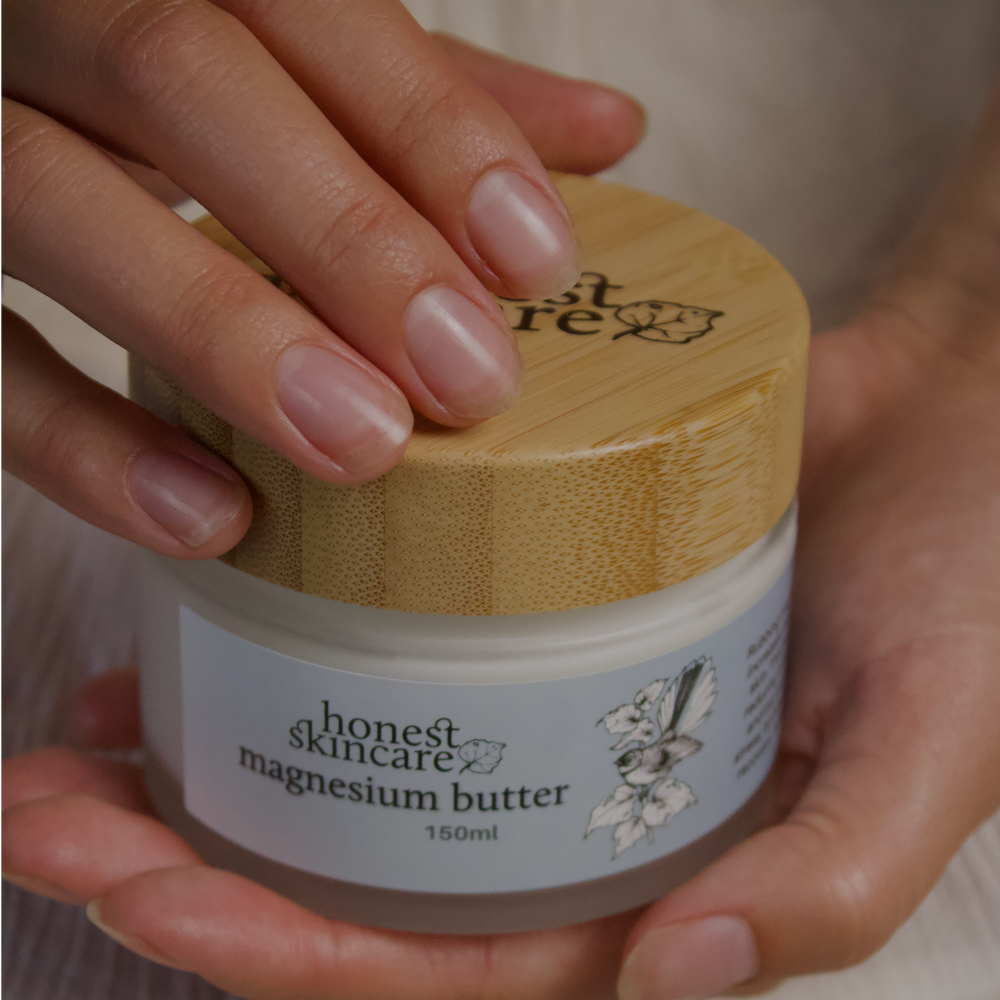
For a tactile, low-fuss option, Honest Skincare’s magnesium body care can sit naturally alongside your usual evening moisturiser. Choose a formula with ingredients you recognise and enjoy using, especially if your skin is dry or sensitive.
Magnesium lotion versus dietary magnesium
If you suspect your magnesium intake is low, food is the more reliable place to start. Leafy greens, legumes, nuts, seeds, wholegrains and some seafood all contribute magnesium to the diet. A GP, dietitian or pharmacist can help you decide whether a supplement is appropriate, particularly if sleep problems are ongoing.
Oral magnesium supplements are not right for everyone. They can cause loose stools or stomach upset, and they may interact with certain medicines. People with kidney disease should seek medical advice before using magnesium supplements, as their bodies may not clear excess magnesium effectively.
A lotion is different. It is a topical self-care product, not a substitute for eating well, seeking treatment for a diagnosed deficiency or addressing the causes of persistent sleeplessness. That distinction is useful because it keeps expectations realistic. Think of magnesium lotion as a comforting support act, not the whole sleep solution.
When sleep needs more than a bedtime ritual
Most people have occasional rough nights. Work pressure, illness, travel, hormonal shifts, parenting, pain and a changing routine can all interfere with sleep. A calming lotion massage may take the edge off, but it will not fix every cause.
If you are regularly taking more than 30 minutes to fall asleep, waking often, snoring loudly, gasping in sleep, feeling unusually low or anxious, or struggling with daytime exhaustion, speak with your GP. Ongoing insomnia can be linked to health conditions, medications, sleep apnoea, anxiety or depression, and practical support is available.
It can also help to look at the basics with kindness rather than perfection. A consistent wake-up time, daylight early in the day, less alcohol close to bed and a cooler, darker bedroom can make a meaningful difference. If you work shifts or care for young children, a textbook sleep schedule may not be realistic. In that case, protect the small windows of rest you do have and make your wind-down routine as easy as possible.
The best way to know if it works for you
Try magnesium lotion consistently for a week or two, while keeping the rest of your routine fairly steady. Notice whether you enjoy the ritual, whether your muscles feel more comfortable and whether you feel calmer as you get into bed. Avoid judging it by one difficult night.
Sleep is sensitive to much more than one product. But a soft massage, well-cared-for skin and five minutes without demands can be a genuinely worthwhile end to the day. If magnesium lotion gives you that pause, it may be exactly the kind of simple support your evening needs.