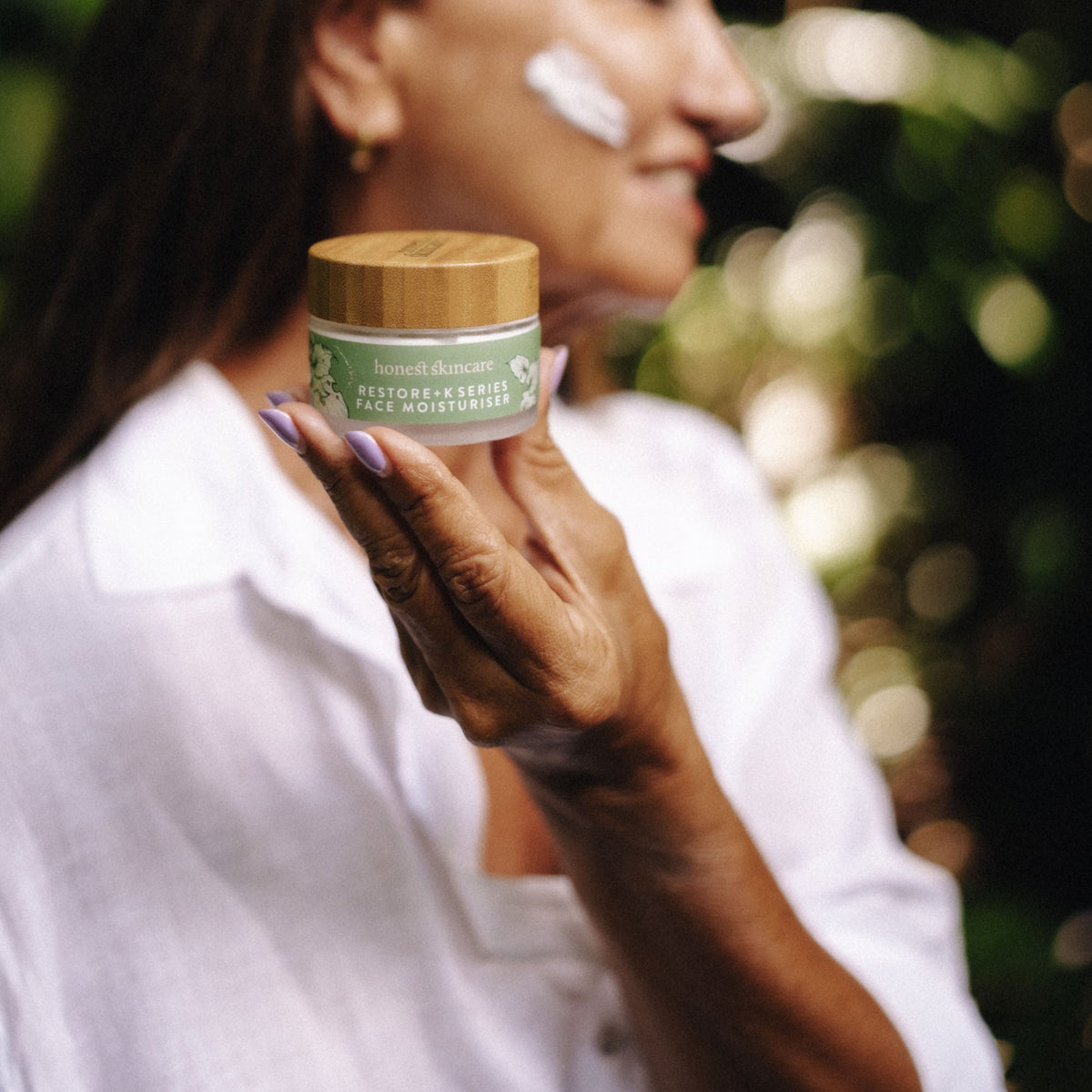
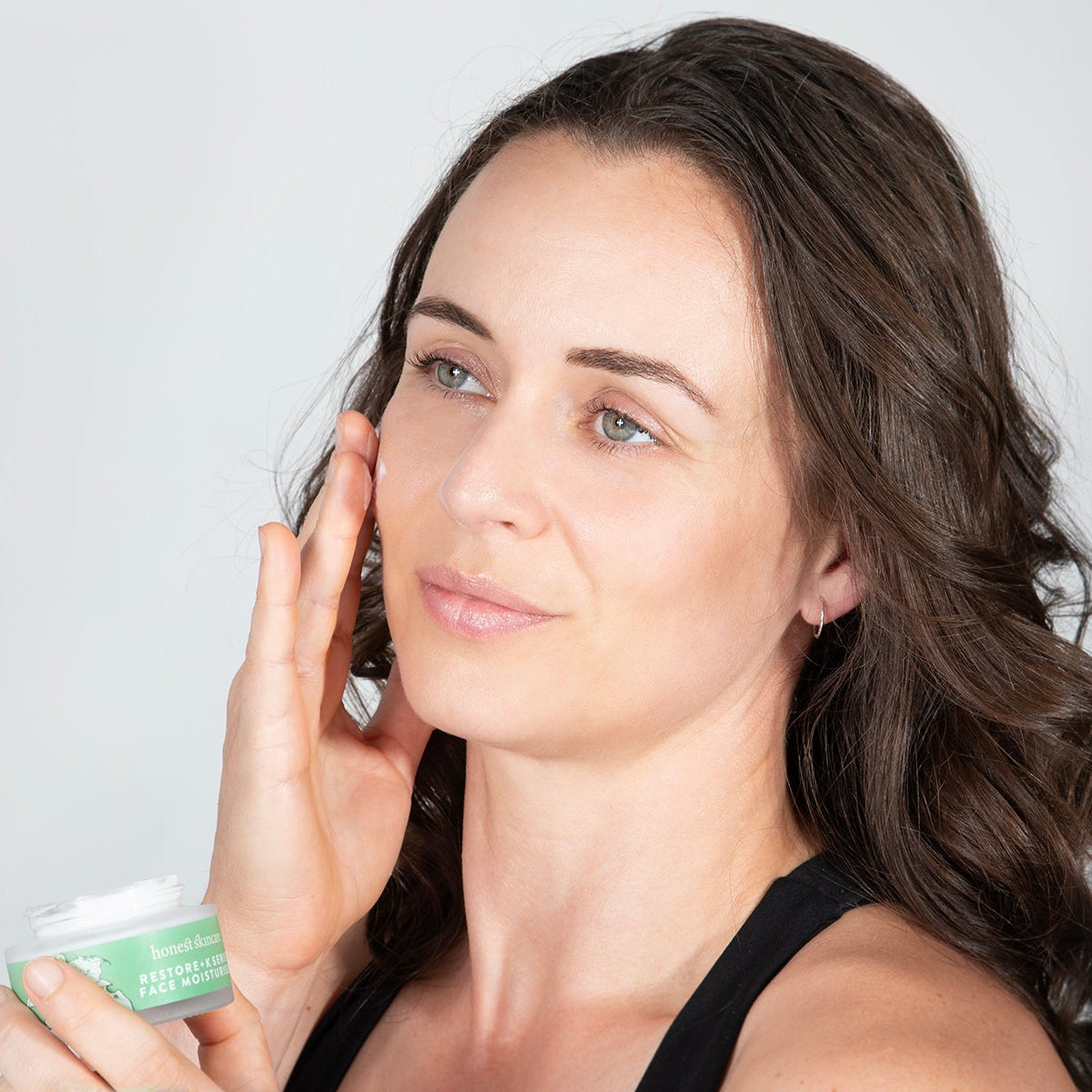
Natural Skincare Products Work With Your Skin
Natural skincare products do not need fussy, chemically enhanced ingredients to be effective. A bathroom shelf full of half-used bottles is rarely the answer to stressed, dry or unsettled skin. Good natural skincare starts by paying attention: how your skin feels after cleansing, when it becomes tight or reactive, and what helps it feel calm, comfortable and well cared for.
Natural products can be a lovely way to simplify your routine, but ‘natural’ is not a guarantee that every formula will suit every person. Your skin still deserves thoughtful ingredients, sensible use and a little patience. The goal is not perfection or a complicated 10-step ritual. It is finding a few quality products that make everyday care feel easier.
What natural skincare really means
Natural skincare products centre on ingredients derived from plants, minerals, marine sources and naturally occurring oils, rather than relying solely on synthetic ingredients. Think botanical oils, nourishing butters, plant extracts, clays, sea salt and traditional New Zealand ingredients such as kawakawa.
That said, natural is a broad term. A product can contain one botanical ingredient and still include fragrances, preservatives or active ingredients that may not work for sensitive skin. This is why reading the full ingredient list matters more than a beautiful label or a trendy claim on the front of a jar.
A considered formula should tell you what is in it, why it is there and how to use it. If you have a known allergy, very reactive skin, eczema or psoriasis, patch testing is especially worthwhile. Apply a small amount to the inner arm or behind the ear, then wait 24 to 48 hours before using it more widely.
Start with your skin, not the latest trend
Your best routine depends on your skin’s current needs. Skin can change with the seasons, hormones, stress, sleep, indoor heating and how much time you spend outdoors. A product that felt perfect in a humid Auckland summer may feel too light once winter arrives.
Dry skin often needs replenishing oils and a protective layer to reduce that tight, flaky feeling. Dehydrated skin needs water as well as support to help hold it in, so a hydrating facial treatment followed by a nourishing oil or cream can be helpful. Oily or blemish-prone skin may still need moisture, but usually benefits from lighter textures and a routine that avoids harsh stripping.
Sensitive skin tends to do best with fewer products and fewer variables. Introducing five new things at once makes it almost impossible to tell what is helping or causing irritation. Choose one product, use it consistently, then give your skin time to respond.
Build a natural skincare routine you can keep
The most effective ritual is the one you will actually do on a busy Tuesday night. You do not need a cabinet full of products to create a routine that feels restorative. Begin with three simple stages: cleanse gently, add moisture, and protect your skin during the day with a suitable broad-spectrum sunscreen.
At night, cleansing should remove sunscreen, make-up, daily grime and excess oil without leaving your face squeaky or tight. That tight feeling is not proof that a cleanser is working well. It can mean your skin barrier has been over-cleansed.
After cleansing, apply a treatment or moisturising layer while skin is still slightly damp. This could be a water-based hydrating product, a marine collagen melting mask for a more indulgent at-home facial, or a cream suited to your skin type. Finish with an oil when your skin needs extra comfort, particularly through colder months or in dry, heated rooms.
A facial oil is best used as the final nourishing step, rather than as a replacement for every other type of hydration. Oils are excellent at softening skin and helping reduce moisture loss, but they do not add water to dehydrated skin on their own.
Choose ingredients with a clear purpose
Ingredient-conscious skincare need not feel like a chemistry exam. Instead of chasing every new extract, look for products with a clear job in your routine.
Kawakawa is a treasured New Zealand botanical traditionally used in topical preparations. In balms and body care, it is valued for its comforting, soothing feel, particularly on areas that are prone to dryness. Rich plant oils can help soften rough elbows, dry hands, cuticles and legs after shaving. Magnesium body products are often used as part of an evening wind-down ritual, especially when tired muscles and a busy mind make it hard to switch off.
Organic castor oil is another versatile staple. Its thick, glossy texture makes it well suited to targeted use on dry patches, brows, lashes or as part of a massage ritual. Because it is rich and occlusive, it may feel too heavy for some acne-prone faces. That does not make it a poor product - it simply means placement matters. Use it where your skin enjoys it, rather than forcing it into a routine that does not suit.
Essential oils deserve care too. Their natural origin does not automatically make them gentle, especially when concentrated. Facial skin, young skin and reactive skin can be more sensitive to fragrance and aromatic oils. Choose well-formulated products, follow directions, and keep strong essential oil blends away from eyes and broken skin.
Your skin barrier comes first
Your skin barrier is the outer layer that helps keep moisture in and environmental irritants out. When it is struggling, skin can look dull, sting when products are applied, become flaky or feel unusually sensitive. Over-exfoliating, using very hot water, trying too many active products and aggressive cleansing can all make matters worse.
This is where a slower approach pays off. Pause strong scrubs and frequent exfoliation if your skin feels sore or compromised. Keep cleansing gentle, use a simple moisturiser or facial oil that feels comfortable, and avoid introducing multiple actives at once. Let your skin settle before deciding that you need another product.
Natural skincare can support a healthy-looking barrier, but it should not be expected to diagnose or treat a skin condition. If you have persistent rashes, painful acne, suspected infection, swelling or a flare-up that is not improving, speak with a pharmacist, GP or dermatologist. Skincare is part of self-care, not a substitute for medical advice.
Make body care part of the ritual
Skincare does not stop at your jawline. Often, the parts of the body that need the most care are the ones we rush past: hands washed dozens of times a day, shins exposed to dry air, feet tucked into shoes, and shoulders that carry the day’s tension.
Applying a botanical body oil after a shower, while skin is still a little damp, is a small habit with a noticeable payoff. A kawakawa balm can be kept close for hands, elbows and other rough spots. Magnesium body care can turn the last five minutes of the evening into a cue to slow down, breathe and prepare for sleep.
This is also where texture matters. A body product should feel good enough that you reach for it. A rich balm is useful for very dry areas, while a lighter oil may be more practical when you want to get dressed soon after. There is no prize for using a product in a way that feels inconvenient.
Quality, freshness and consistency matter
Natural ingredients are often more sensitive to heat, light and air. Store oils and balms away from direct sunlight, close lids properly, and use clean hands or a spatula when dipping into jars. If a product changes dramatically in smell, colour or texture, it is sensible to stop using it.
Look for brands that are clear about their ingredient sourcing, how products are made and what their formulas are designed to do. New Zealand-made products can offer a meaningful connection to local botanical knowledge and small-batch care, but transparency should always come before marketing language.
At Honest Skincare, the focus is on making these rituals approachable: organic castor oil, kawakawa care, magnesium body products and modern facial treatments that fit into real life, not just a perfect bathroom shelf.
Give your routine time to show you something
Skin rarely changes overnight. Some products offer an immediate soft, hydrated glow, while improvements in dryness, texture or the look of fine lines usually need consistent use over several weeks. Take notice of comfort as well as appearance. Skin that feels calm, supple and less reactive is often moving in the right direction.
Keep your routine simple enough to enjoy, especially when life is full. A gentle cleanse, a nourishing layer and a few quiet minutes of care can be more valuable than chasing every new launch. Let natural skincare be a practical daily ritual - good for your skin, and a small moment that is good for you too.